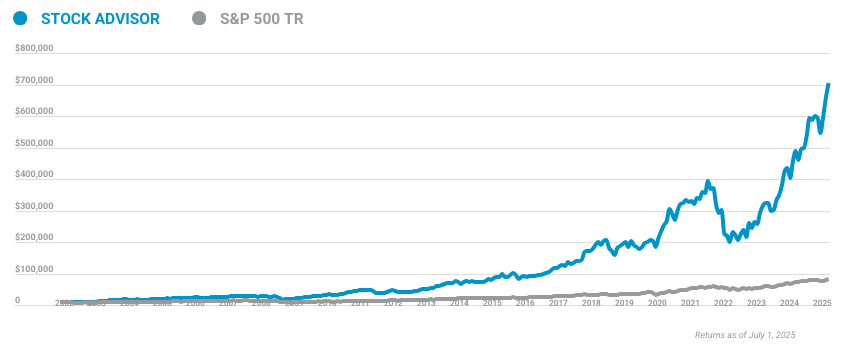
When you're investing money for the long haul, stocks historically offer strong returns. But for money you're planning on using soon, long-term investments like stocks aren't such a great idea -- look no further than the current market environment to see why.
So with rates dropping, what's the best thing to do with your cash? Although finding the best yields can boost your income, it's far more important to watch out for investments that involve levels of risk you can't afford to take.
Keeping it simple
For many investors -- like this one from our Fool discussion boards -- risk is the last thing they want from a cash investment. They have several reasonable options, including bank accounts and U.S. Treasury bills. Short of a failure of the federal deposit insurance system, or the Treasury defaulting on its debt, you're in no danger of losing money with these investments.
But simplicity comes at a price. As Ben Bernanke and his cohorts at the Federal Reserve have lowered rates, the yields on ultra-safe cash investments have fallen. Three-month Treasury bills now pay only about 1.25%. Banks like Wells Fargo
Moreover, these low rates aren't even enough to keep up with inflation, which is currently running at around a 4% annual rate. If you're planning on using that cash in the next month or two, that's not such a big problem -- but for money you have permanently set aside for emergencies, losing purchasing power month after month isn't an attractive option.
It's not all in the name
Until recently, money market funds were largely considered just as safe as bank accounts. However, some funds got hit by the credit crunch, making bad investments in structured investment vehicles. As a result, some fund managers, including Legg Mason
In a falling rate environment, investors are easily enticed by solutions that offer higher yields. Yet you have to be extremely careful about such investments. For instance, a fund from Charles Schwab
Be realistic
You want all of your investments to earn as high a return as they can, and cash is no exception. But keep in mind that the main reason you're holding cash investments in the first place is to give you access to needed money at a moment's notice. Despite low interest rates, it doesn't make sense for most investors to take on additional risk that prevents them from getting that immediate access.
To learn more about making the most of your short-term money, read about
- How you can save thousands effortlessly.
- The best no-risk investment for your portfolio.
- Where to find the best rates for your savings.