Airline stocks tend to be volatile, and Delta Air Lines (DAL -1.00%) is no exception. Airline companies tend to have fixed costs and exposure to highly dynamic variable costs, such as jet fuel, and transportation demand can ebb and flow.
This all leaves them exposed to a cycle of declining earnings as revenue dries up while they continue to run routes with lower-than-expected load factors. These risks are why stocks like Delta Air Lines tend to trade at low valuations.
But is it justified?
Delta Air Lines in 2026
To be clear, despite maintaining its full-year 2026 guidance for earnings per share of $6.50-$7.50 and free cash flow (FCF) of $3 billion to $4 billion, Delta has been negatively impacted by events.

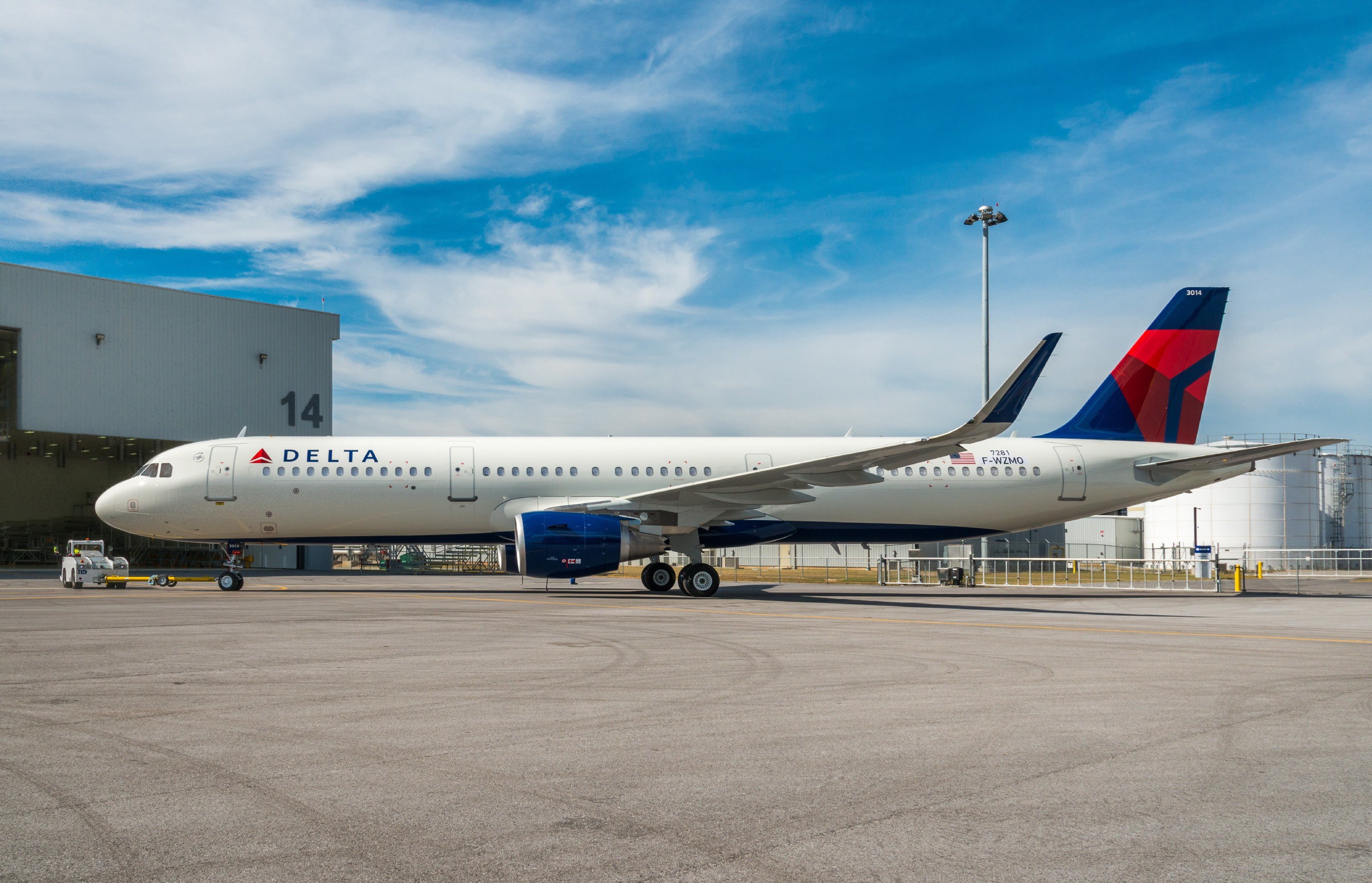
Image source: Getty Images.
These prospects have been hit by soaring jet fuel costs, which means Delta's management now expects a $4 billion increase in fuel costs in 2026. In light of these costs, the Wall Street consensus EPS estimate has shifted from $7.17 at the start of the year to $6.48 now, slightly below the low end of management's guidance.
In addition, while the conflict in the Persian Gulf continues and the Strait of Hormuz is largely closed to commercial traffic, there is likely to be upward pressure on oil prices and, in turn, on jet fuel prices.

NYSE: DAL
Key Data Points
Why Delta Air Lines' stock is a great value
The company faces headwinds, but here's the thing. Even with lowered earnings expectations, Delta Air Lines trades at less than 12 times estimated earnings, and this comes in a year when it faced the highest fuel expenses in its history ($4.4 billion) in the second quarter.
Meanwhile, according to Chief Commercial Officer Joe Esposito on the July earnings call, customer demand remained "strong and broad-based." It's a viewpoint recently echoed by airline peer, United Airlines CEO Scott Kirby.
In addition, Delta has made great strides in reducing its cyclical exposure over the last decade by growing its premium cabin revenue, loyalty-based revenue, and American Express remuneration from its co-branded credit card, alongside its main cabin revenue. In fact, main cabin revenue accounted for less than 35% of operating revenue in the second quarter, compared with more than 38% in the same quarter of 2025.
In addition, Delta's management isn't adding seats in its main cabin and has indicated a willingness to slow capacity growth in response to rising jet fuel prices.
Is Delta Air Lines stock a buy?
The current valuation already reflects elevated 2026 fuel costs. Unless those costs rise substantially or demand softens meaningfully, Delta looks like a good value at less than 12 times forward earnings and roughly 14 times free cash flow. The multi-year shift toward premium, loyalty, and co-brand revenue also supports the case for a gradual rerating.