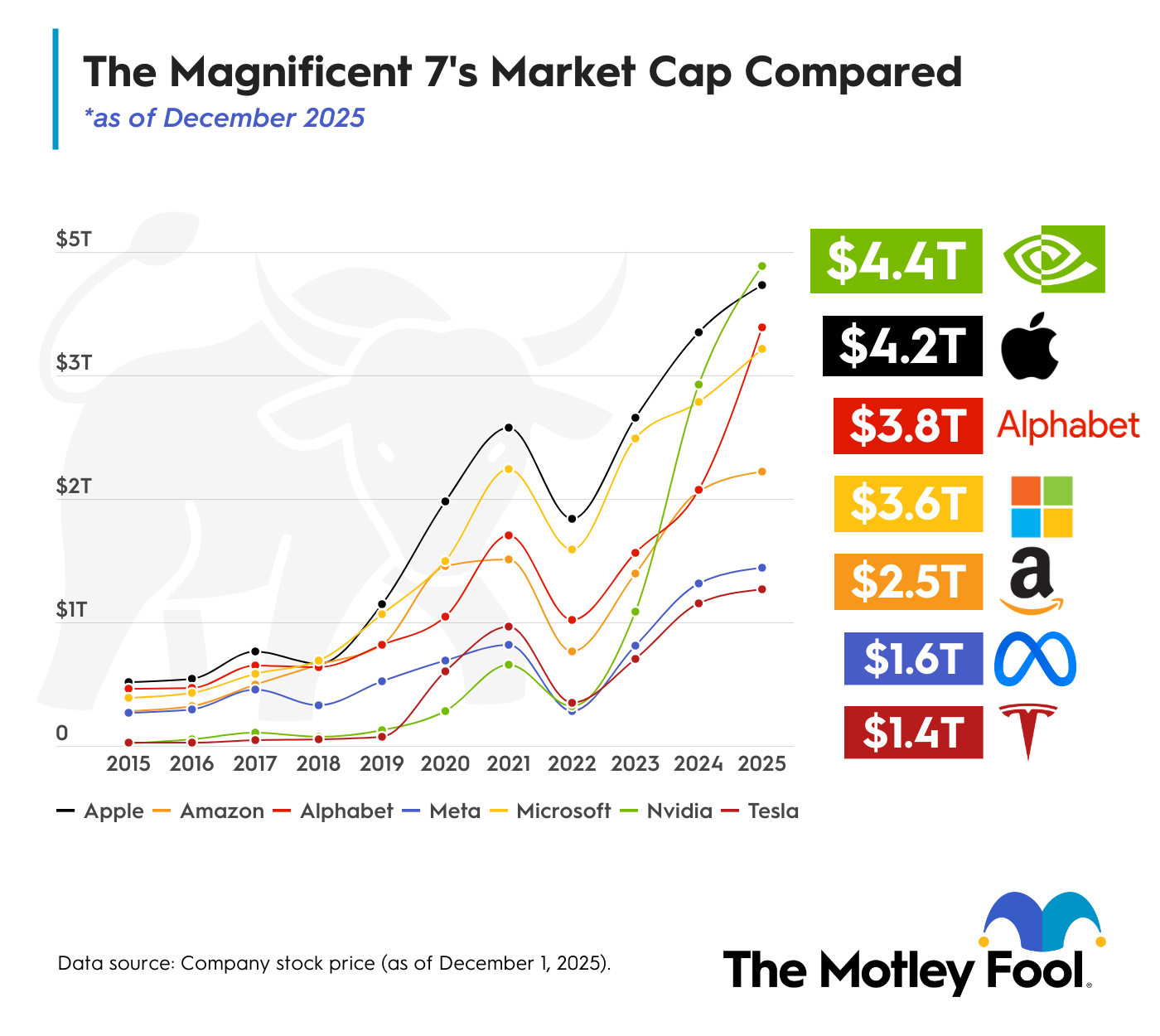
For the first time in more than half a century, Berkshire Hathaway (BRKA +0.21%)(BRKB +0.32%) entered the year without Warren Buffett as its CEO. His Dec. 31 retirement paved the way for longtime understudy, Greg Abel, to take the helm and oversee the company's $360 billion investment portfolio.
Although Abel has wasted little time reshaping Berkshire's portfolio, several aspects remain the same. Namely, Buffett and Abel both believe in concentrating their company's invested assets in their best ideas. As of the closing bell on Aug. 28, Warren Buffett's successor had 63% ($226 billion) of Berkshire's portfolio concentrated in five superstar stocks:
- Apple (AAPL -0.24%): $72.87 billion (20.2% of invested assets)
- American Express (AXP +0.41%): $50.52 billion (14%)
- Alphabet (GOOGL +0.86%)(GOOG +1.02%): $36.63 billion (10.2%, both classes combined)
- Coca-Cola (KO +1.00%): $35.86 billion (9.9%)
- Bank of America (BAC +0.47%): $30.13 billion (8.4%)
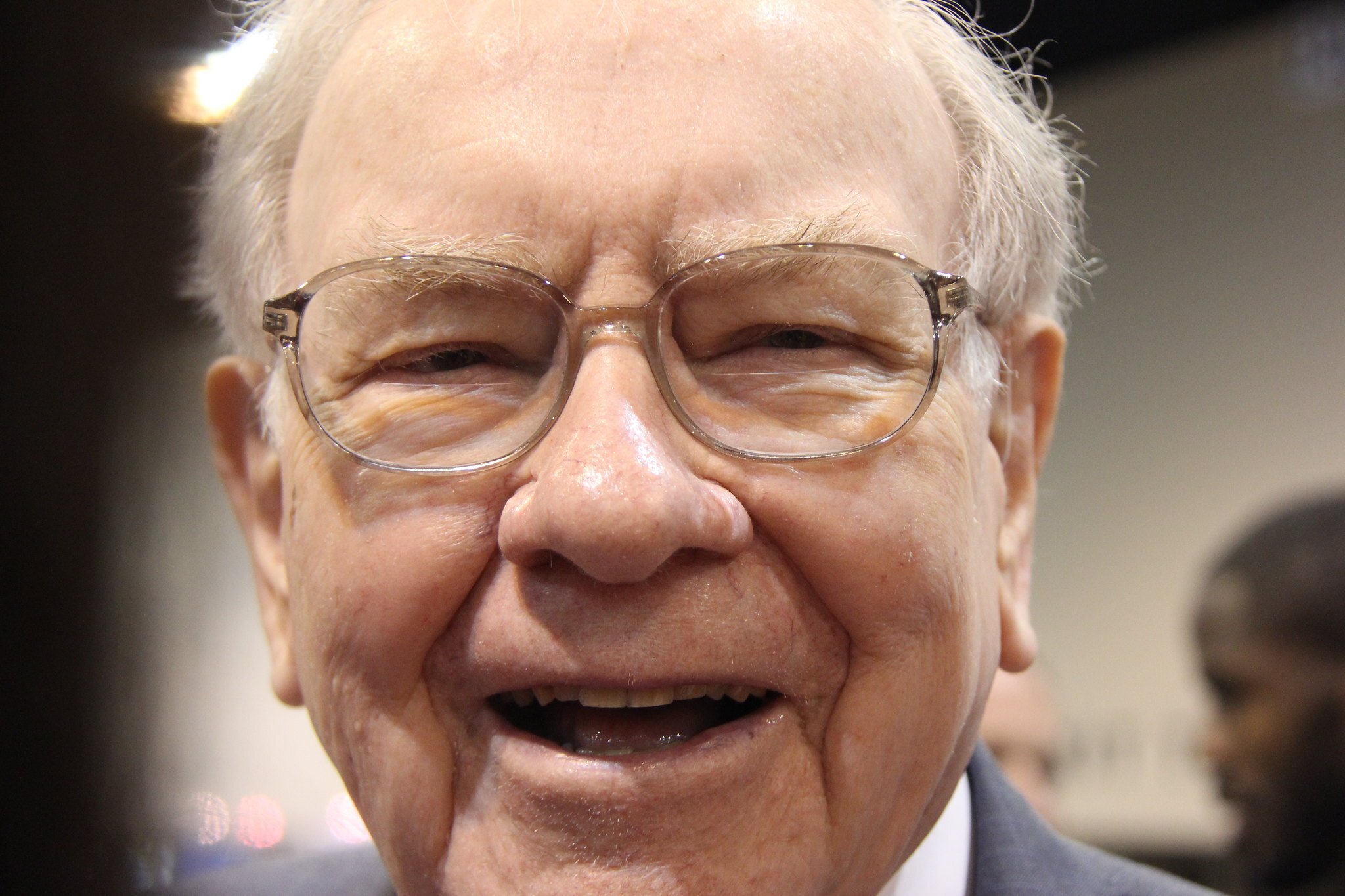
Warren Buffett retired as Berkshire Hathaway's CEO on Dec. 31. Image source: The Motley Fool.
Berkshire is now a tech-driven conglomerate
Although the trillion-dollar conglomerate that the Oracle of Omaha built has roughly five dozen owned businesses, its investment portfolio is now heavily driven by technology. The sector that Buffett often shied away from now comprises more than 30% of invested assets, courtesy of Apple and Alphabet.
Google parent Alphabet has been the splash addition since Abel took over in January. Though Buffett initiated Berkshire's position in Alphabet, Abel more than tripled it in the first quarter and added another $17 billion in the second quarter.

NASDAQ: GOOGL
Key Data Points
Abel appears to be attracted to Google Cloud's jaw-dropping growth. Since incorporating artificial intelligence (AI) solutions into the world's No. 3 cloud infrastructure services platform, Google Cloud's sales have gone parabolic.
Meanwhile, Apple's iPhone sales have picked up after a multiyear lull, potentially signaling that the late 2024 launch of the generative AI-inspired Apple Intelligence is making waves.
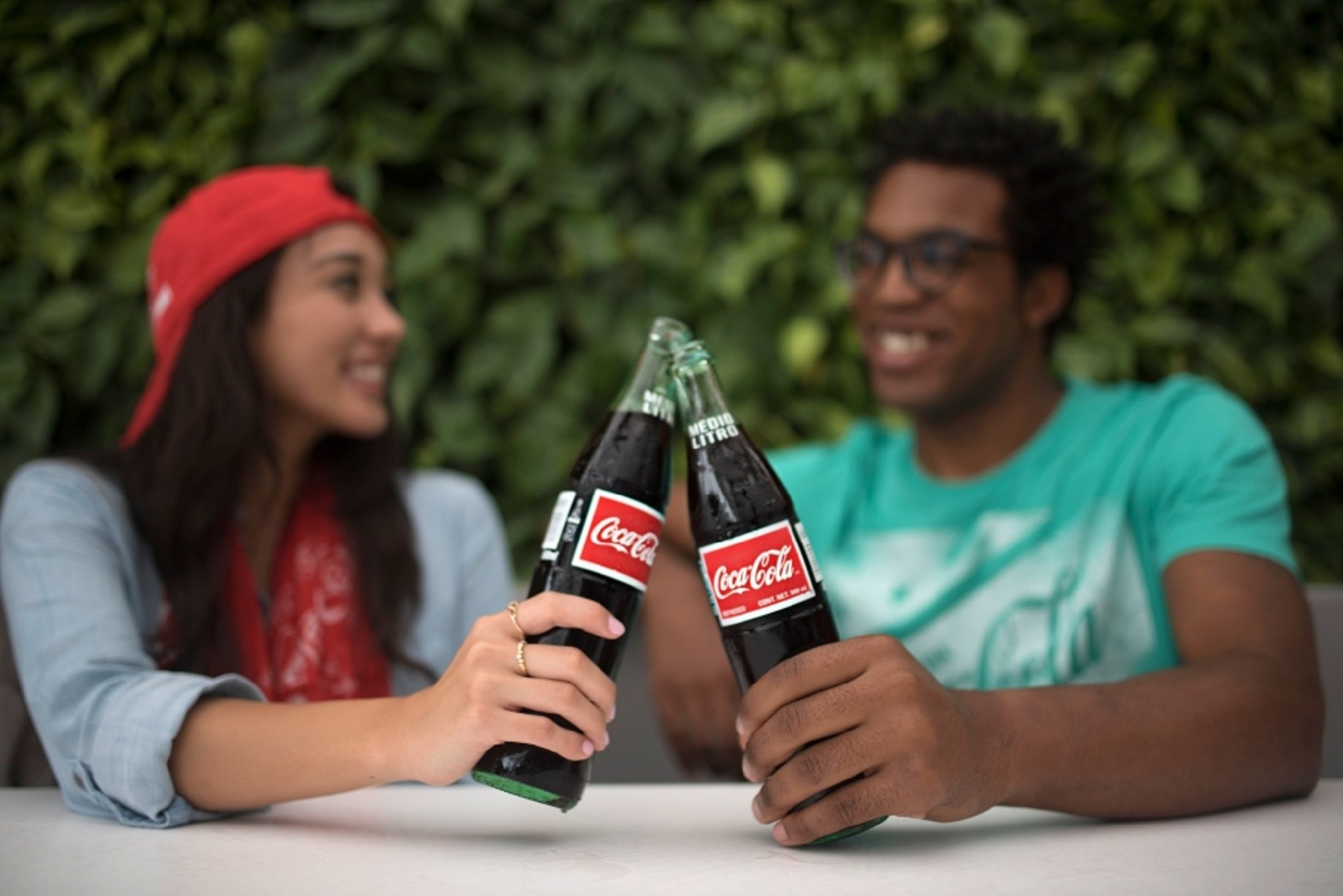
Image source: Coca-Cola.
The "indefinite" holdings remain foundational
American Express and Coca-Cola, Warren Buffett's so-called "indefinite" holdings, aren't going anywhere.
The beautiful thing about the two companies Berkshire has held longest is their ultra-low cost bases and otherworldly yields on cost. Berkshire sports a cost basis of roughly $3.25 per share in Coca-Cola and $8.49 per share in Amex. Given their respective annual dividends, Coca-Cola's and American Express's yields are 65% and 45% relative to cost, respectively. There's simply no reason to sell shares in either company.

NYSE: KO
Key Data Points
Coca-Cola and Amex are also businesses that benefit from long-winded periods of economic growth. Coca-Cola has a presence in all but three countries (North Korea, Cuba, and Russia), while American Express benefits from both sides of the transaction counter as a payment facilitator and lender.
Bank of America was pared down for an eighth straight quarter
On the other hand, there are no assurances that Bank of America will stick around for the long term.
During the second quarter, Abel sold more than 30 million shares of BofA, marking the eighth consecutive quarter that Buffett or Abel has pared down this position. Over the trailing two years, Berkshire's stake in America's most interest-sensitive money-center bank has shrunk by approximately 53%.

NYSE: BAC
Key Data Points
While Bank of America is highly cyclical and benefits from lengthy economic expansions, its valuation may be its biggest drawback. Since Warren Buffett initially invested in BofA in August 2011, its common stock has catapulted from a 62% discount to book value to a 58% premium to book. Value is of the utmost importance to Berkshire's former and current bosses.