1. NuScale Power
Unlike Radiant with its Kaleidos microreactor, NuScale Power (SMR -3.13%) has its sights on disrupting the nuclear energy industry with the NuScale Power Module. An SMR with 77 MW of generating capacity, the NuScale Power Module can be scaled with up to 11 other modules to meet the specific power needs of its customers.
NuScale Power has the potential to gain a first-mover advantage over would-be competitors. As of early October 2026, it was the first and only SMR to have its designs certified by the U.S. Nuclear Regulatory Commission. In addition to powering data centers, NuScale Power recognizes water desalination, grid resiliency enhancement, and green hydrogen production as potential applications of its technology.
The company's second-quarter 2026 revenue totaled $0.1 million, and its Q2 2026 net loss of $0.13 per share was unchanged from Q2 2025. But investors shouldn't interpret this as a red flag. Although the figures look bad, they don't reflect how the company earns money, since it's not yet selling operating reactors. Its revenues, instead, are tied to meeting specific project milestones, such as an engineering study for a Romanian project in Q1 2025. On the bright side, NuScale reported having about $1.9 billion in cash and short- and long-term investments at the end of Q2 2026.
2. Oklo
Another popular name growing on the nuclear energy landscape is SMR developer Oklo (OKLO -1.33%). Founded in 2013, Oklo is developing a nuclear power solution called Aurora, which will have a generating capacity of 15 to 75 MW. NuScale Power uses new fuel for its SMRs, but Oklo is designing Aurora to be flexible enough to use either new or recycled fuel. Distinguishing itself from peers, Oklo characterizes itself as the "only advanced nuclear company pursuing a fully integrated recycled fuel business, providing the company with a structural long-term supply chain and cost advantage relative to competitors."
Already, Oklo has generated strong demand from customers. In 2024, it signed a nonbinding agreement with Switch -- a provider of artificial intelligence (AI), cloud, and enterprise data centers -- to deploy 12 gigawatts in Aurora powerhouse projects through 2044. Additionally, it executed two letters of intent to provide an additional 750 MW of energy for data center customers.
Ensuring that it has adequate nuclear fuel to sustain operations when it receives regulatory approval, Oklo signed a letter of intent with Centrus Energy (NYSEMKT:LEU) June 2026 for enough domestic high-assay low-enriched uranium (HALEU) to power up to five Aurora powerhouses for several years. Oklo anticipates receiving deliveries from Centrus beginning in 2029.
3. Centrus Energy
Unlike SMR developers NuScale Power and Oklo, Centrus Energy supplies nuclear fuel -- both low-enriched uranium (LEU) and high-assay low-enriched uranium (HALEU) -- and services to companies in the nuclear energy industry. Providing a variety of enriched uranium, Centrus Energy brandishes itself as the "world’s most diversified supplier of enriched uranium fuel." It also retains a competitive advantage over peers, as it's the only company licensed by the Nuclear Regulatory Commission to produce HALEU for both commercial and defense applications.
Centrus also provides indirect exposure to Radiant. In September 2026, the two companies announced a long-term partnership in which Centrus will supply enough HALEU to fuel Radian't Kaleidos microreactors for several years.
Tracing its history back to 1992, Centrus Energy is a well-established company that offers a better opportunity for those seeking exposure to nuclear energy without a higher-risk investment. From 2020 through 2025, Centrus Energy has steadily grown revenue from $247 million to $448.7 million. During that time, it has also generated consistent profits and free cash flow.
How to buy stocks similar to Radiant
People who don't meet the criteria for accredited investors and who are motivated to buy shares of one of these other nuclear energy choices only have to take a few simple steps to become shareholders:
- Open your brokerage app: Log in to your brokerage account where you handle your investments. If you don't have one yet, take a look at our favorite brokers and trading platforms to find the right one for you.
- Search for the stock: Enter the ticker or company name into the search bar to bring up the stock's trading page.
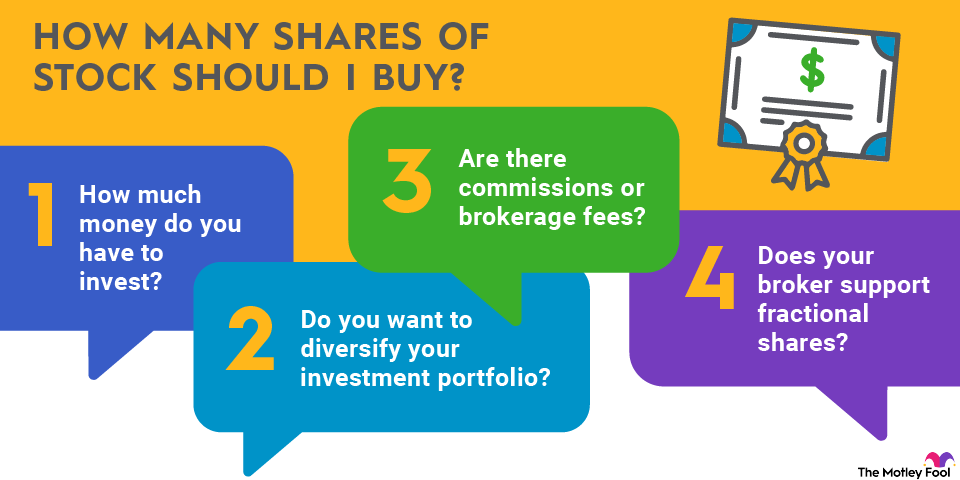
- Decide how many shares to buy: Consider your investment goals and how much of your portfolio you want to allocate to this stock.
- Select order type: Choose between a market order to buy at the current price or a limit order to specify the maximum price you're willing to pay.
- Submit your order: Confirm the details and submit your buy order.
- Review your purchase: Check your portfolio to ensure your order was filled as expected and adjust your investment strategy accordingly.