1. David Gardner Keeps the 100-Bagger Dream Alive
At FoolFest 2026, a member put a question to David Gardner, The Motley Fool’s co-founder and Chief Rule Breaker: “How will we get 100-baggers when stocks that dominate IPOs come out at a valuation of $100 billion or more?”
A 100-bagger turns $1,000 into $100,000. SpaceX (SPCX -4.21%) listed in June at a valuation near $1.75 trillion. Multiply that by 100 and you need a $175 trillion company.
David agreed the giants probably won’t get there. But he followed up: “in the next 30 years, there will be $50 trillion companies. That sounds crazy now, but so did a trillion about 20 years ago.” That puts a 100-bagger’s starting line near half a trillion dollars today.
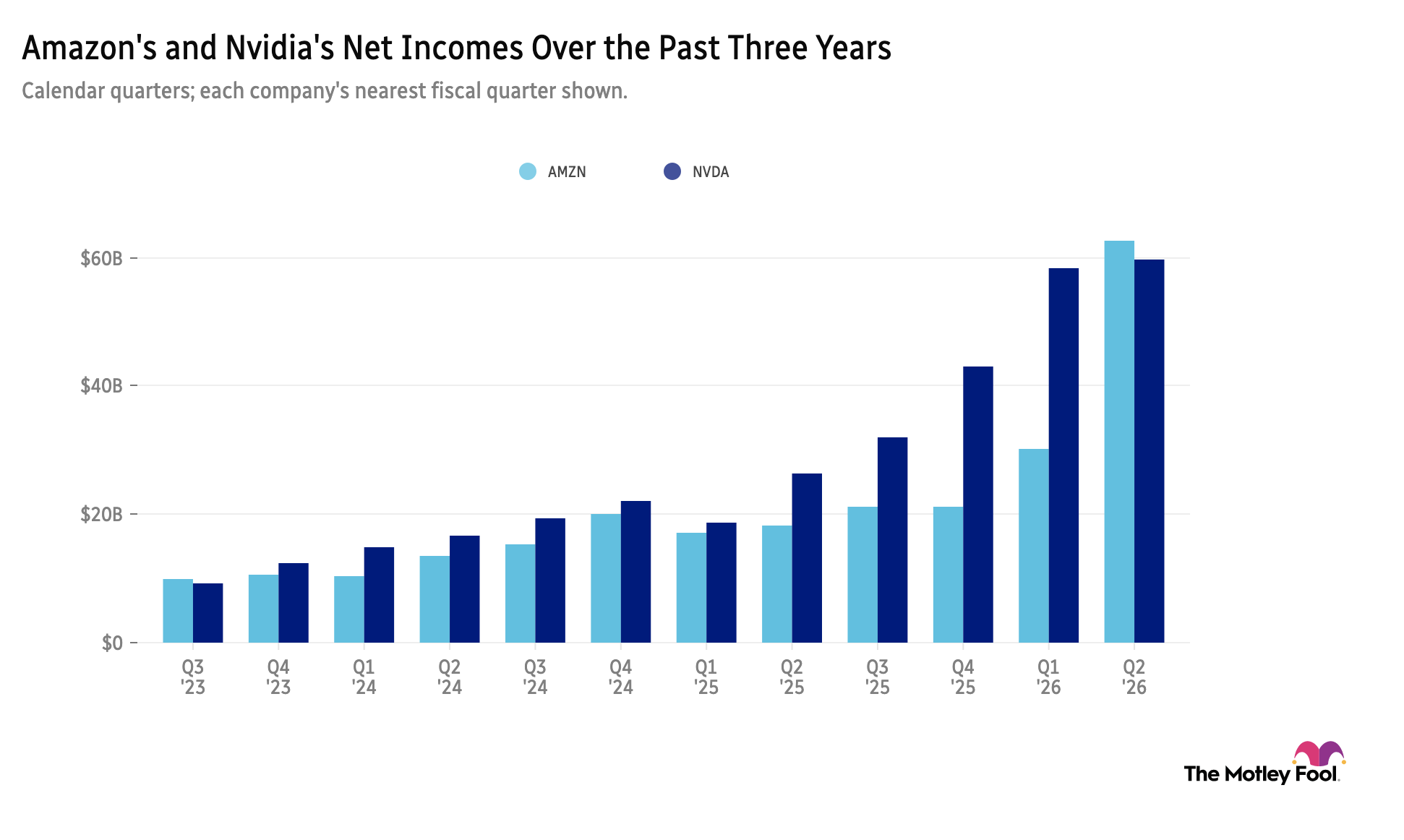
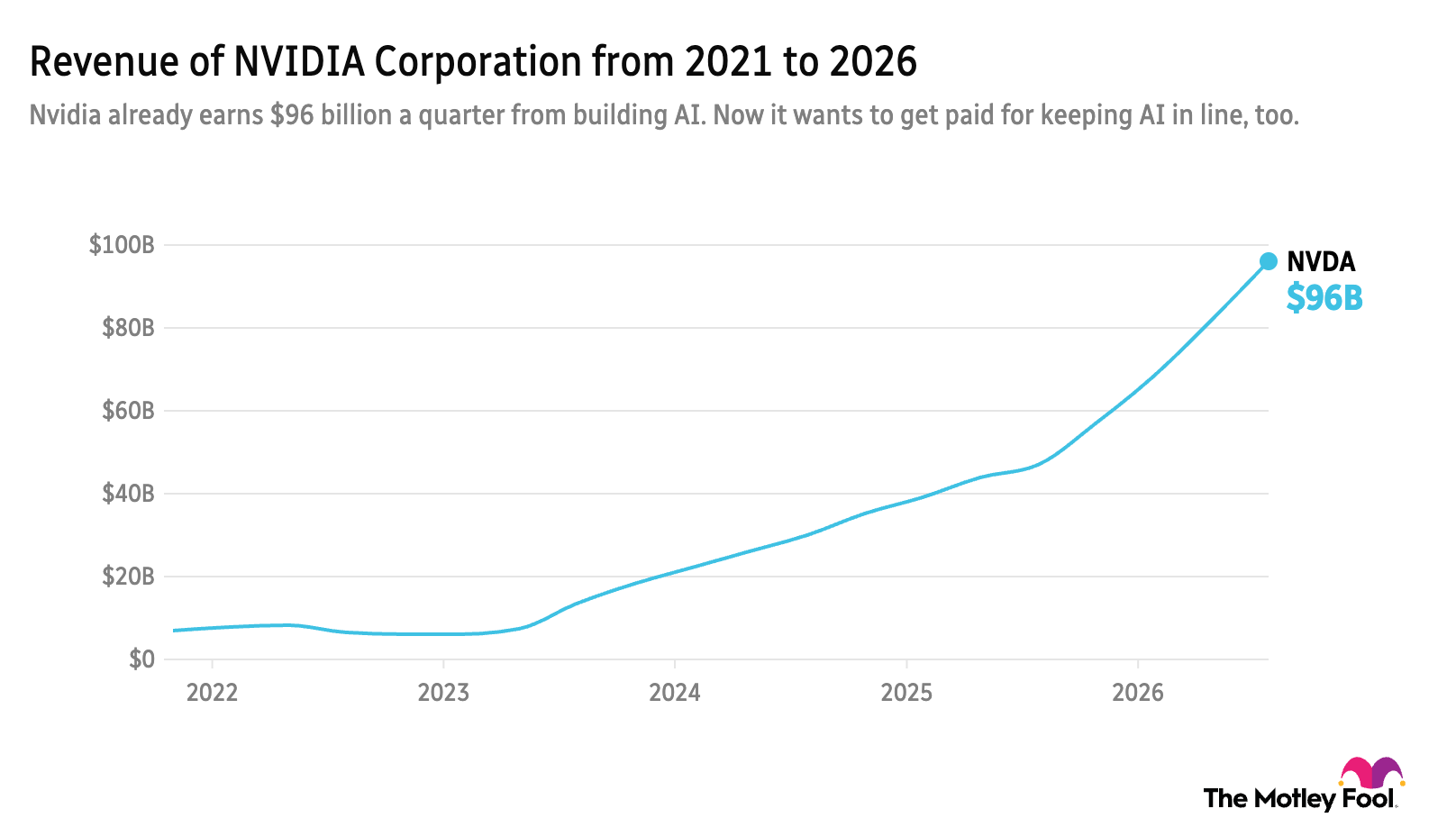
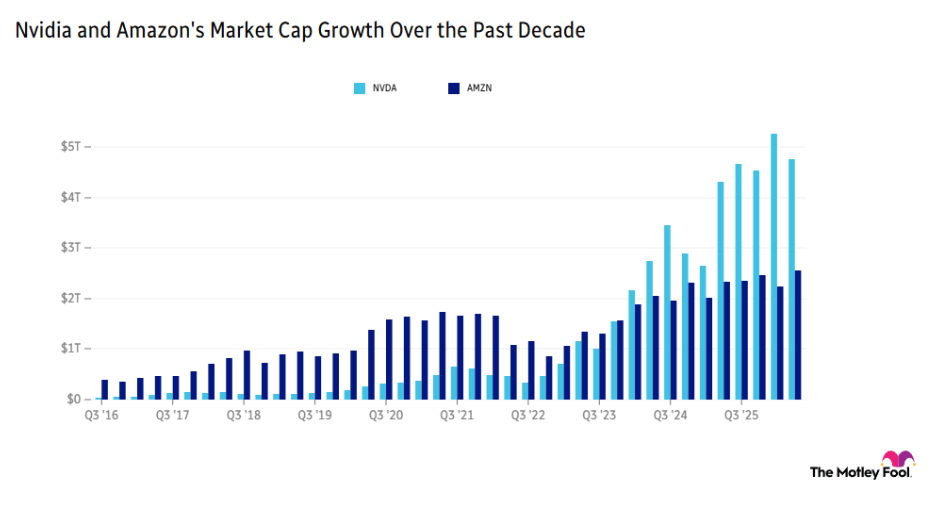
- David’s book, Rule Breaker Investing, shows where to look: Its first trait asks for the top dog and first mover in an important, emerging industry. The top two S&P 500 performers from 1995 through 2024, Nvidia (NVDA +0.97%) and Amazon (AMZN -0.37%), both went public in that window.
- Then you have to hold them: David’s formula is Habits × Traits. You multiply because a zero on either side wipes out the result.
So the likeliest 100-baggers of the next 30 years are companies worth tens or hundreds of billions today, or less, that grow into the giants of 2056. David believes $50 trillion companies will sound as quaint then as a $438 million bookstore sounds today.
2. Broadcom CEO’s “Casino” Remark Rattles Chips
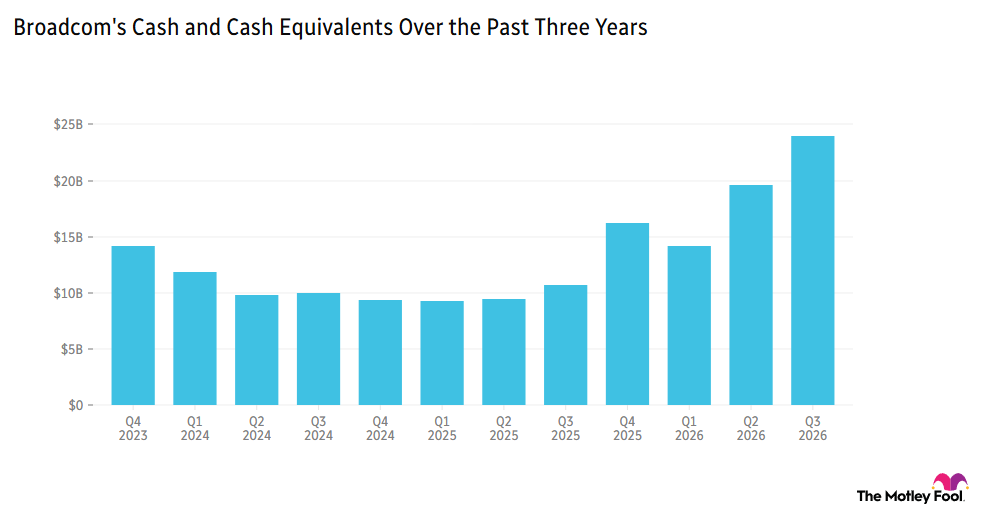
Broadcom (AVGO +0.73%), a Team Rule Breakers and Team Hidden Gems recommendation, makes custom AI chips for the biggest cloud companies. At a Monday event, CEO Hock Tan called the artificial intelligence (AI) trade a “casino,” saying that many investors “have no clue what they are investing in.”
Ouch.
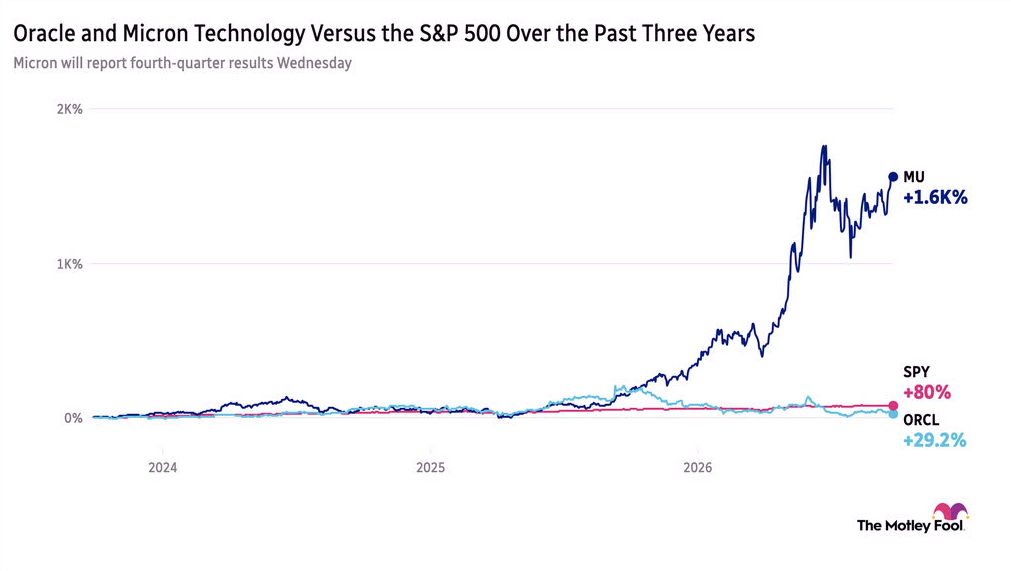
That same day, China's CXMT claimed progress in memory tech, and chip stocks sold off everywhere. In Asia, memory makers Samsung Electronics and SK Hynix fell over 7% each. Micron (MU -3.62%), a Team Rule Breakers recommendation, closed around 4% lower on Monday and fell further in pre-market trading.
- The warning comes from within the boom: Tan calls the market's expectations unrealistic. That's a notable admission from someone who benefits from the boom. Broadcom also supplies custom chips to OpenAI, and Tan said OpenAI's current sales pace says little about long-term profitability.
- Fundamentals remain strong for now: Chip earnings today depend on AI customers continuing to spend. That spending, however, depends on external funding and unproven returns. The risk sits in the chain between suppliers and capital markets. A long-term investor should track what improves that chain – customers raising more money and products earning back – and what breaks it.
3. Visa Gets a Visa for China, 9 Years Later
For nine years, Visa (V +1.74%) has stood outside the biggest consumer market on earth with its hand on the door. Today, China's central bank opened it, clearing the way for the payments network giant to build a domestic card-clearing business.
Mastercard (MA +1.63%), a Team Hidden Gems and Team Rule Breakers recommendation, got the same approval in 2020, and American Express (AXP -0.54%) followed soon after. That makes Visa, a Stock Advisor recommendation by Team Hidden Gems, the last of the three to clear the hurdle.
- Politics picked the timing: The approval lands weeks before Presidents Trump and Xi are expected to meet again at the APEC summit in Shenzhen. Visa CEO Ryan McInerney joined Trump's Beijing delegation in May. One Asia-focused analyst called the timing a signal that Beijing wants to show American businesses progress first.
- A $144 trillion market, eventually: China's card-payments market is enormous, and Visa has pursued access since 2017. Back in August, Fool contributing analyst Matt Frankel said: “There's no sure thing in the stock market, but Visa's recurring percentage-based revenue, riding a globally rising tide of digital spending, is a pretty bulletproof growth driver.”
4. Big Banks Report Amid a Sector Sell-Off
Three of the biggest banks report third-quarter earnings before the markets open today. The KBW Nasdaq Bank Index, which tracks large bank stocks, has fallen more than 14% from its August peak. Many individual names have slid into correction territory, which lowers the bar for good news.
- JPMorgan (JPM -0.86%), the largest U.S. bank and a Team Rule Breakers recommendation, is expected to grow revenue 9% to 10% from last year. Analysts are watching two money machines: the fees it earns advising on deals, and its trading desks. Operating costs are on the rise, and that’s the line that could eat into growth.
- Goldman Sachs (GS -0.23%), also a Team Rule Breakers recommendation, has topped analysts’ estimates for 12 consecutive quarters. The focus is on its equities trading desk. Analysts expect about $4.7 billion in revenue from there, down from roughly $7.4 billion in Q2. The board is also reportedly discussing a plan to hand CEO David Solomon’s job to John Waldron, the company’s president and chief operating officer.
- Citigroup (C -5.60%) says its net interest income will grow 5% to 6% this year, excluding its Markets division. Net interest income is the gap between what a bank earns on loans and what it pays depositors, and it’s what drives everyday banking profit. The sharper read comes from credit cards. Card quality, consumer credit, and late payments will indicate how healthy U.S. consumers are.
5. Atlassian: The Business Held Up Its End of the Bargain
We've recommended Atlassian (TEAM +0.14%) four times across two services: Rule Breakers in September 2016, and Hidden Gems three times since, in April 2021, 2022, and September 2023. Entry points differ; the business has stayed consistent.
- The numbers keep compounding: Revenue has grown at roughly 30% a year for a decade, reaching $6.6 billion last fiscal year – up 26% for the year and accelerating to 28% in the fourth quarter alone. Fourth-quarter GAAP operating margin came in at 12%, versus a 2%-of-revenue operating loss a year earlier. Jira and Confluence remain the foundation, but Rovo, Atlassian's AI layer, is where the next leg is being built: its Model Context Protocol server and Teamwork Graph passed one million monthly active users last quarter, more than doubling in three months, while cloud revenue grew 31% – faster than the business as a whole. CEO Mike Cannon-Brookes says the edge is structural: rivals can rent AI models "by the token," but a company's own institutional context "is much harder for organizations to build and it cannot be hired."
- The returns tell two different stories: Rule Breakers recommended Atlassian at roughly 15 times sales in 2016; it trades near 7 times sales today, and the position is up more than 580%, built almost entirely on fundamentals. Hidden Gems recommended it closer to the 2021 peak, near 30 times sales, and has absorbed that multiple's round trip back down.
Atlassian trades around $208 today. Team Rule Breakers has a 5-year price prediction of $315, implying a 9% annualized return.
6. Today’s Question!
Which stock do you strongly believe could go 10x from here? What’s your thesis?
Discuss with friends and family, or become a member to hear what your fellow Fools are saying!