Don't Trust This Yield

1 Recommendation

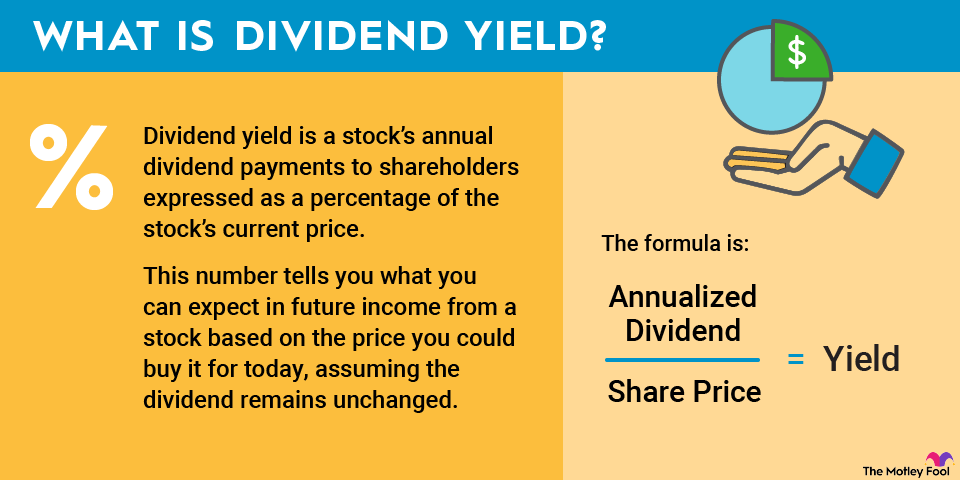
A couple of months ago, I went looking for the highest dividend payer in America. The winner? GateHouse Media, which boasted a whopping 150% dividend yield.

With a dividend like that, even if the stock price did nothing over the next year, you'd still more than double your money. But you knew there was a catch, right?

Here it is: The company hasn't been profitable since 1997. Its grand business plan is newspapers and Yellow Pages.

It's not hard to see how a situation like that -- absurdly high dividend, out-of-step business plan -- turns into a shattered dream. In fact, on Aug. 8, GateHouse suspended its dividend altogether.

But what about situations that aren't so clear-cut?

Are these yields believable?
Not all companies are as easy to dismiss as GateHouse is -- nor are their dividend cuts so easy to predict. Check out these big-name dividend-paying companies that substantially beat the 4% yield you can currently get on a 30-year Treasury bond:

Company

Dividend Yield

BP (NYSE: BP)

7%

Bristol-Myers Squibb (NYSE: BMY)

6.1%

Deutsche Bank (NYSE: DB)

6.6%

Altria (NYSE: MO)

6.3%

With dividends like that, an increase in the stock price is just a bonus. That's why dividend payers are popular core holdings in many people's portfolios.

But if the stock price falls -- and the company cuts its dividend besides -- that solid core can start to look like Swiss cheese.

How can you tell?
Want to know whether a company is likely to slash its dividend? All you have to do is answer one question: Will a company's future earnings support its future dividend payments?

But as investors can tell you -- especially the ones who have been burned by the recent dividend-slashing at seemingly rock-solid companies -- figuring that out is much harder than it sounds.

A year and a half ago, for example, few people would have predicted the level of devastation the financial sector has experienced. We've seen dividend cuts precede the downfalls of Wachovia and Washington Mutual, leaving us to wonder about the viability of dividend-slashers such as Citigroup and Regions Financial (NYSE: RF). Even the seemingly secure dividends such as US Bancorp's (NYSE: USB) 4.8% yield and JPMorgan Chase's (NYSE: JPM) 3.3% yield are called into question in this atmosphere.

How can we separate the dividend dynasties from the dividend destroyers?

To get some pointers, I turned to experts James Early and Andy Cross, co-advisors at our Income Investor investing service. They point to four factors we should look at:

  • Strength of management: Is management composed of competent leaders with a proven track record and years of relevant company and industry experience? Have they been able to raise dividends in good times and bad?
  • Size: Does the company have a substantial market cap? Although it's possible to find solid small-cap dividend payers, James and Andy generally look for companies capitalized above $1 billion, to cut down on volatility.
  • Financial fortitude: Does the company have a solid balance sheet and strong cash flows? Substantial debt combined with weak performance leads to dividend cuts.
  • Competitive advantage: Is the company better positioned strategically than its competitors are?

Positive answers to all of these questions won't necessarily prevent a dividend from being slashed -- unexpected events will always arise -- but it's a good place to start.

The lesson?
As we saw in the GateHouse example, the future success of a company can't be distilled into one metric, like dividend yield. To make an informed investing decision, you really do have to do your homework -- read financial statements, check up on management, analyze competitors, listen to quarterly conference calls, and crunch the numbers.

Those four bullet points above are a good place to start. Or if you need additional help or specific stock ideas, check out Income Investor. The team recently reviewed every dividend stock they've ever recommended; you can see what they're bullish on now by clicking here for a free 30-day trial. There's no obligation to subscribe.

This article was originally published on August 22, 2008. It has been updated.

Anand Chokkavelu owns shares of Altria and Citigroup but of no other companies mentioned. US Bancorp and JPMorgan Chase are Motley Fool Income Investor recommendations. The Fool has a disclosure policy.
Comments from our Foolish Readers

Help us keep this a respectfully Foolish area! This is a place for our readers to discuss, debate, and learn more about the Foolish investing topic you read about above. Help us keep it clean and safe. If you believe a comment is abusive or otherwise violates our Fool's Rules, please report it via the Report this Comment Report this Comment icon found on every comment.

Be the first one to comment on this article.

Report This Comment

Use this area to report a comment that you believe is in violation of the community guidelines. Our team will review the entry and take any appropriate action.

Sending report...

Compare Brokers

TD AMERITRADE
more info
ShareBuilder
more info
Power E*Trade

more info
Scottrade
more info
Fool Disclosure

DocumentId: 745611, ~/articles/articlehandler.aspx, 11/22/2008 12:32:37 PM,

Sign up for FREE Motley Fool site access!

Already registered? Login Here

It’s FREE! Enter your email address, and we’ll rush you to the article you're looking for right now.

Privacy / Legal Information

We will use your email address only to keep you informed about updates to our web site and about other products and services that we think might interest you. The Motley Fool respects your privacy. Please read our Privacy Statement

.

Related Tickers

Bristol-Myers Squibb Co.

BMY Down! $19.11 -0.17 (-0.88%) 4:02 PM
CAPS Rating:
890 Outperforms
88 Underperforms
Rate This Stock

Major Indices

S&P 500800.03+6.32%
DJIA8,046.42+6.54%
NASD1,384.35+5.18%
Updated: 4:07:36 PM
Sponsored by:

The Motley Poll

What changes are you making to your portfolio?

Sponsored by: