Other valuation metrics
Several metrics can be used to estimate the value of a stock or a company, with some metrics more appropriate than others for certain types of companies.
Price/sales ratio
Along with the P/E ratio, the price/sales (P/S) ratio is another common metric for valuing stocks. The P/S ratio is equal to a company's market capitalization -- the total value of all outstanding shares -- divided by its annual revenue. Because the P/S ratio is based on revenue rather than earnings, it is widely used to evaluate public companies that do not have earnings because they are not yet profitable.
Stalwart companies with consistent earnings, such as Walmart, are rarely evaluated using the P/S ratio. Amazon (AMZN +0.30%) has a history of inconsistent earnings growth, so despite its massive size, the P/S ratio is a metric investors still prefer to use to evaluate the online retailer.
In May 2026, for example, Amazon's market cap was $2.85 trillion. Its fiscal year 2025 revenue was about $717 billion. Dividing $717 billion by $2.85 trillion yielded a P/S ratio of 3.97 for Amazon.
Investors who wish to compare P/S ratios should be careful to compare only companies with similar business models. Across industries, P/S ratios can vary widely because sales volumes differ. Companies in industries with low profit margins typically need to generate high sales volumes.
Price/book ratio
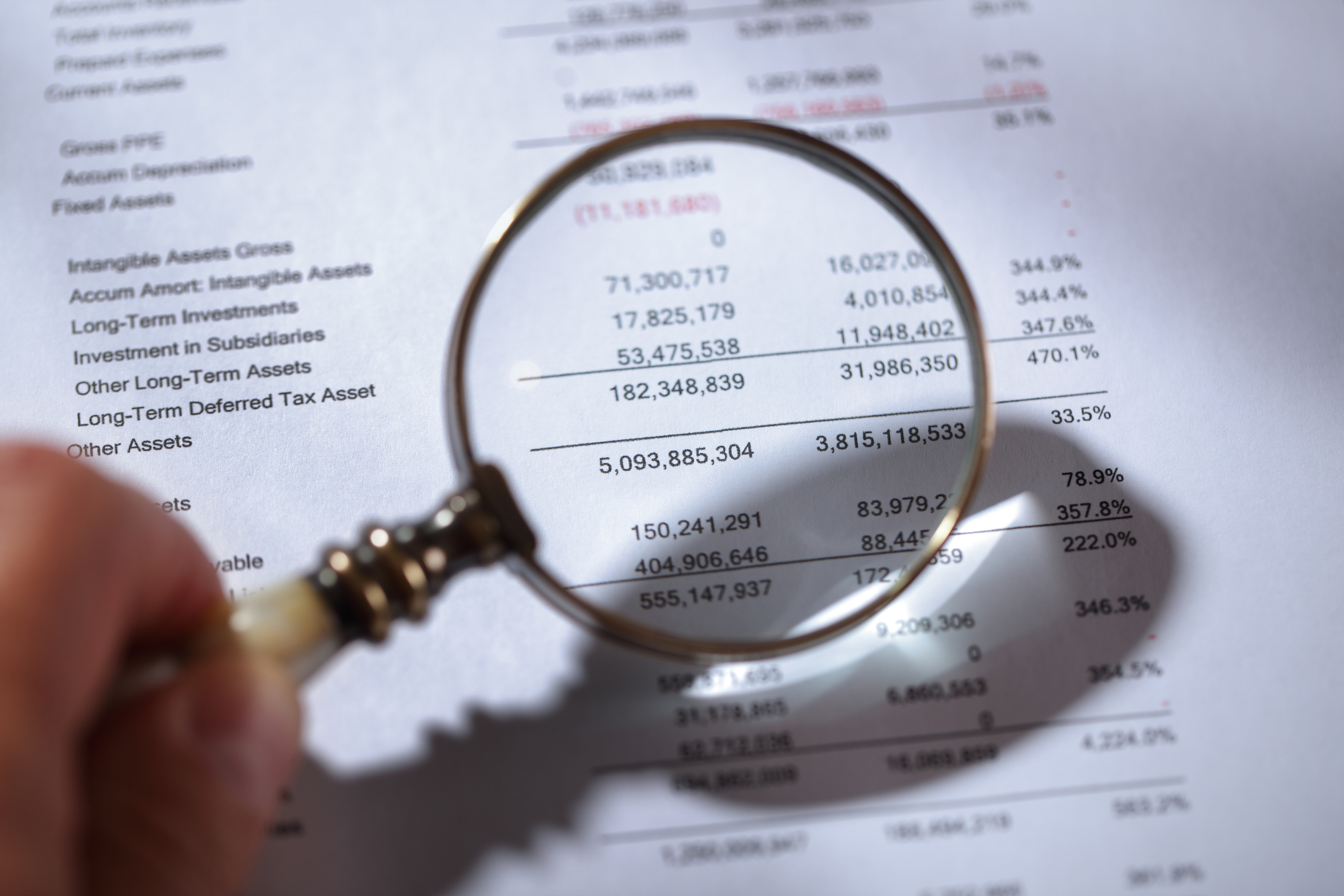
Another useful metric for valuing a stock or company is the price-to-book ratio. "Price" refers to the company's stock price, and "book" refers to its book value per share. A company's book value is equal to its assets minus its liabilities (asset and liability numbers are found on companies' balance sheet). A company's book value per share is simply equal to the company's book value divided by the number of outstanding shares.
A company's price-to-book ratio is only marginally useful for evaluating companies with asset-light business models, such as software tech companies. This metric is more relevant for evaluating asset-heavy businesses, such as banks and other financial institutions.
It's a (value) trap!
A stock can appear cheap, but because of deteriorating business conditions, it actually is not. These types of stocks are known as value traps. A value trap may take the form of a pharmaceutical company with a valuable patent that soon expires, a cyclical stock at the peak of the cycle, or a tech company whose once-innovative offering is being commoditized.