Working Capital
|
How to Value Stocks
|
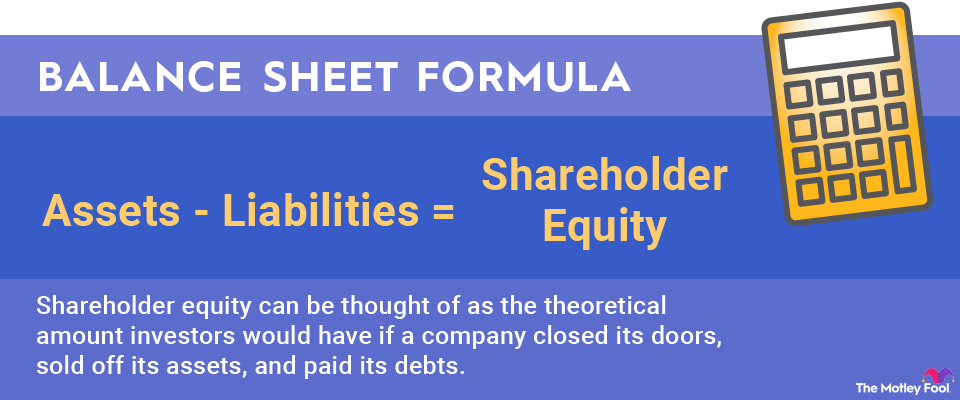
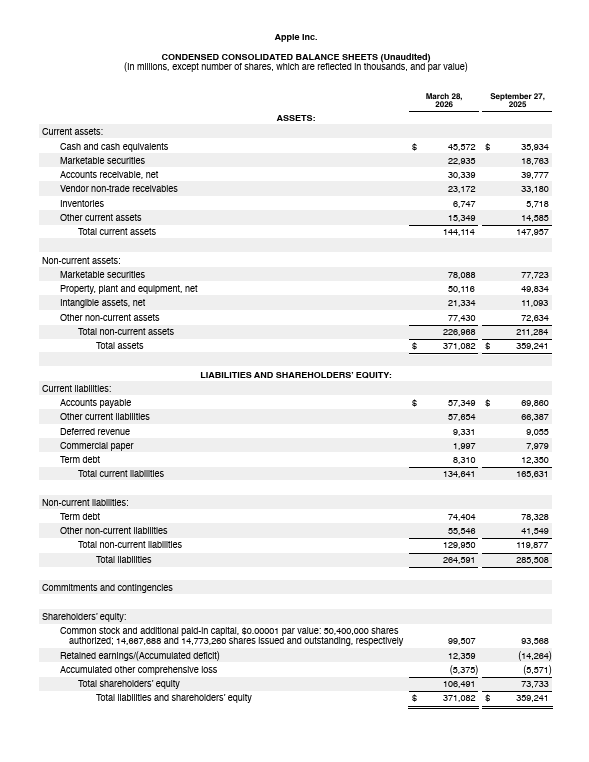
The best way to look at current assets and current liabilities is by combining them into something called Working Capital. Working capital is simply current assets minus current liabilities and can be positive or negative. Working capital is basically an expression of how much in liquid assets the company currently has to build its business, fund its growth, and produce shareholder value. If a company has ample positive working capital, then it is in good shape, with plenty of cash on hand to pay for everything it might need to buy. If a company has negative working capital, then its current liabilities are actually greater than their current assets, so the company lacks the ability to spend with the same aggressive nature as a working capital positive peer. All other things being equal, a company with positive working capital will always outperform a company with negative working capital.
I cannot emphasize enough how important working capital is. Working capital is the absolute lifeblood of a company. About 99% of the reason that the company probably came public in the first place had to do with getting working capital for whatever reasons -- building the business, funding acquisitions or developing new products. Anything good that comes from a company springs out of working capital. If a company runs out of working capital and still has bills to pay and products to develop, it has big problems.
A valuation that I am coming to like more and more is comparing working capital to the company's current Market Capitalization. Market capitalization is the value of all the shares of stock currently outstanding plus any long-term debt or preferred shares that the company has issued. The reason you add long-term debt and preferred shares (which are a special form of debt) to the market capitalization is because if you were to buy the company, not only would you have to pay the current market price but you would also have to incur the responsibility for the debt as well.
If you take a company's working capital and measure it against a company's
market capitalization, you can find some pretty cool stuff. You can compare
working capital to market capitalization by dividing working capital by that
market capitalization. For instance, if we use Joe's Bar and Grill again,
we know that it has $10 million in current assets and $5 million in current
liabilities. If you know that Joe's Bar and Grill has no debt, one million
shares outstanding and each share is $10 a pop, you can figure out the working
capital to market capitalization ratio.
Working Capital (Current Assets - Current Liabilities)
--------------- = --------------------------------------
Market Cap. (Shares Out * Share Price) + Debt
$10 mm - $5 mm $5 mm
= ---------------------- = ---------- = 0.5 = 50%
(1 mm * $10) + $0 mm $10 mm
What all of that math tells you is that 50% of the market's valuation of Joe's Bar and Grill is backed up by working capital. Theoretically, if you were to liquidate Joe's tomorrow, you would get 50 cents on the dollar just from working capital alone. This is a tremendous amount of money to have at your disposal and really very nice for Joe's. Basically, if you see working capital to market capitalizations of 50% or higher, things are pretty good.
Even though working capital is nifty, just looking at the amount of cash a company has relative to its market capitalization is also pretty enlightening. Simply take the cash and equivalents and divide it by the market capitalization to see what the percentage is. If you are dealing with a company where 10% or more of the capitalization is backed up with cold, hard cash, you have a company that has ample funds to get itself going. Also, you might want to net out the inventories from working capital and check that percentage just to make sure that the number is not all that different, especially for retailers and clothing manufacturers. You do this by simply subtracting inventories from working capital.
RSS Headlines
Fool UK