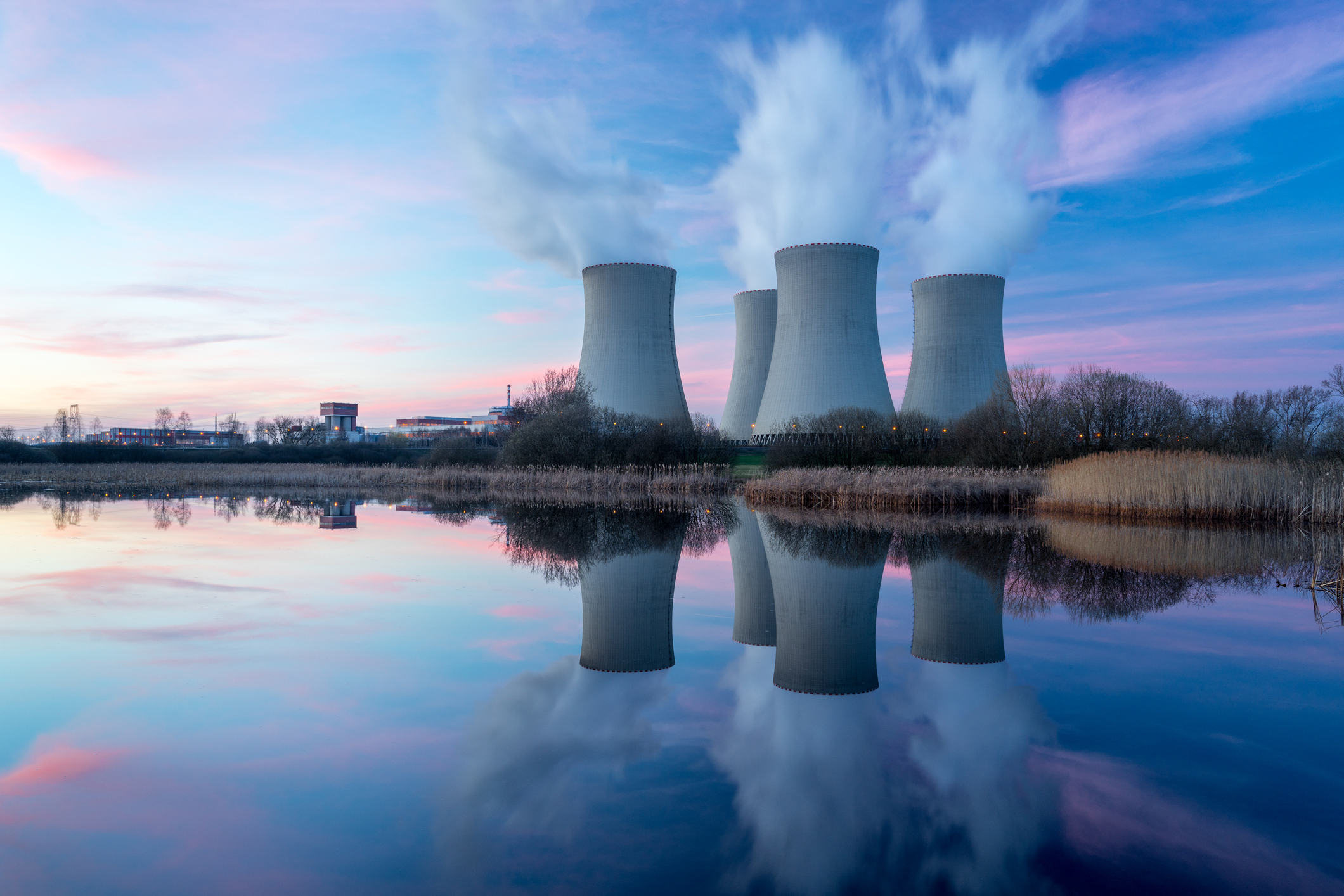
Natural gas remains one of the most important fuels in the global energy system. It plays a critical role in power generation, home heating, and industrial use, and is widely viewed as a bridge fuel as the world transitions toward lower-carbon energy sources.
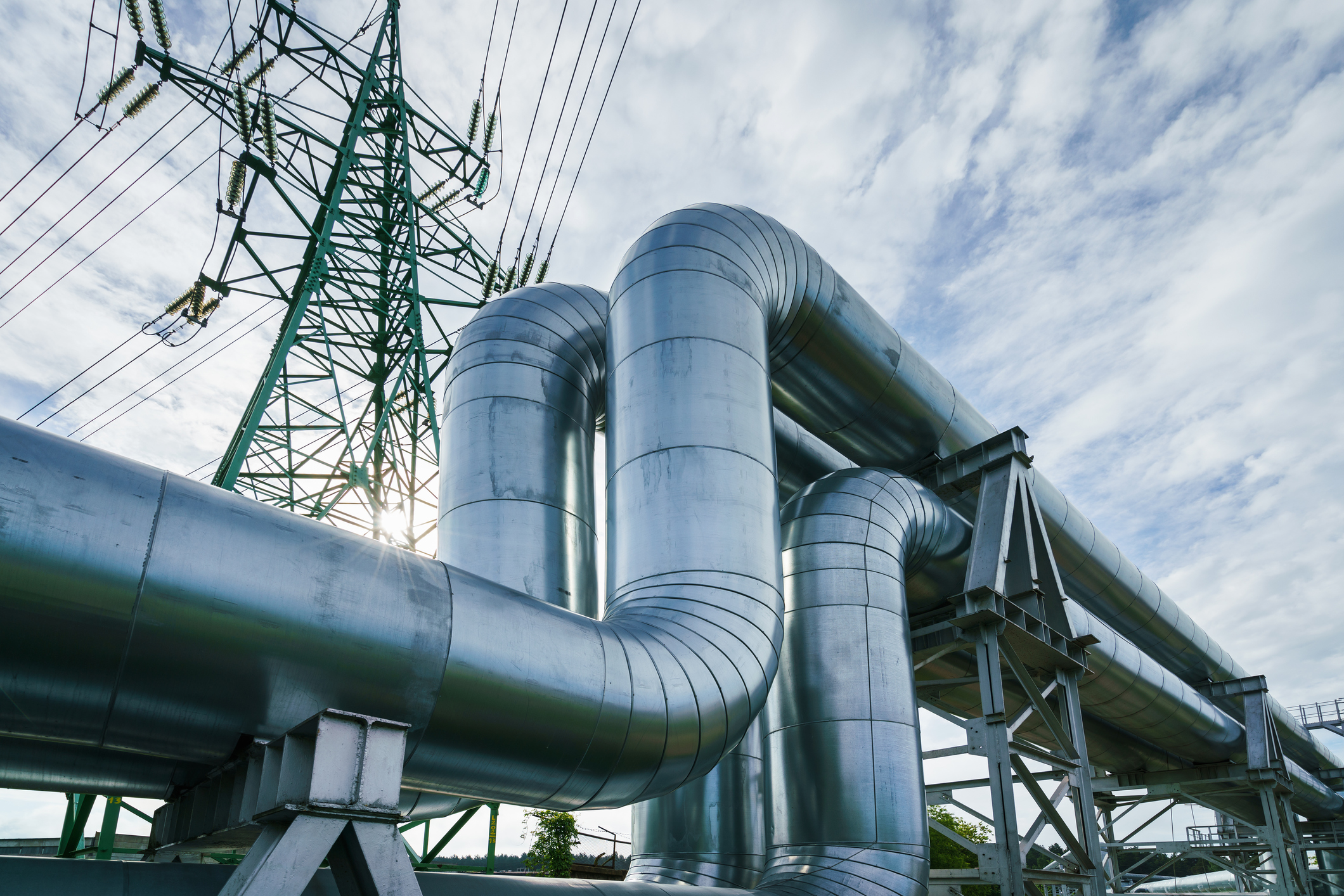
While natural gas is abundant and versatile, it relies heavily on infrastructure. In its gaseous form, it must move through pipelines, and when shipped overseas, it must first be converted into liquefied natural gas (LNG). That makes midstream and LNG infrastructure essential to the industry.
For investors, this structure matters. Infrastructure-focused natural gas companies tend to be less exposed to commodity price swings and often generate stable, fee-based cash flow -- a “toll booth” model that supports disciplined capital allocation and reliable returns.
Top natural gas stocks to consider
Some of the best natural gas stocks for investors to consider buying include:
| Name and ticker | Market cap | Dividend yield | Industry |
|---|---|---|---|
| Cheniere Energy (NYSE:LNG) | $45.5 billion | 0.97% | Oil, Gas and Consumable Fuels |
| EQT (NYSE:EQT) | $36.0 billion | 1.10% | Oil, Gas and Consumable Fuels |
| Kinder Morgan (NYSE:KMI) | $67.8 billion | 3.82% | Oil, Gas and Consumable Fuels |
1. Cheniere Energy

NYSE: LNG
Key Data Points
Cheniere Energy (LNG -0.69%) is the largest liquefied natural gas (LNG) producer in the U.S. and the second-largest in the world. It’s a full-service LNG provider that obtains, transports, liquefies, and delivers natural gas. Cheniere also has vessel-chartering capabilities.
It has one of the largest LNG platforms in the world. In early 2025, Cheniere Energy owned interests in and operated two liquefaction and export facilities along the U.S. Gulf Coast:
- Sabine Pass LNG Terminal: Located in Louisiana, the terminal is the largest in the U.S., with six operating LNG trains with the capacity to produce 30 million metric tons per annum (mtpa) of LNG. Cheniere owns an interest in Sabine Pass via its 48.6% limited partner stake in Cheniere Energy Partners (CQP -1.91%).
- Corpus Christi LNG Terminal: The Texas terminal has three operating LNG trains with the capacity to produce 15 mtpa of LNG. Cheniere is constructing an expansion to the Corpus Christi LNG Terminal, a project known as Corpus Christi Stage 3. The expansion will add seven operating LNG trains and 10 mtpa of LNG production capacity.
Cheniere sells the bulk of its LNG under long-term, fixed-rate contracts, enabling the company to generate predictable cash flow.
The natural gas export company plans to allocate its cash flow toward dividend payments (which it initiated in late 2021), repurchasing shares, paying down debt, and funding Corpus Christi Stage 3. Its balanced capital allocation plan should enable Cheniere to create significant value for its shareholders in the coming years.
2. EQT Corporation

NYSE: EQT
Key Data Points
3. Kinder Morgan

NYSE: KMI
Key Data Points
Kinder Morgan (KMI +0.98%) is a leader in operating energy infrastructure in North America. It controls the nation's largest natural gas transmission network, which moves 40% of the natural gas produced in the U.S. As of early 2025, it had 79,000 miles of natural gas pipelines to go along with 700 billion cubic feet of storage capacity -- the latter representing about 15% of the U.S. storage total. Kinder Morgan's infrastructure connects every major natural gas resource play to key demand centers.
In addition to natural gas, Kinder Morgan is also the largest independent transporter of refined petroleum products, an independent terminal operator, and a carbon dioxide transporter. The company transports oil, renewable natural gas (RNG), and LNG.
Kinder Morgan's leading natural gas infrastructure business generates a very stable cash flow. Overall, 90% of it comes from take-or-pay contracts, other fee-based arrangements, or hedges, which have allowed it to generate substantive recurring cash flows for investors.
Kinder Morgan allocates its cash flow toward paying a high-yielding dividend, repurchasing shares, and expanding its natural gas network through capital projects and acquisitions.
Acquisitions have become a notable growth driver, as well. Kinder Morgan made two substantial deals in 2021. The company bought Stagecoach Gas Services, a pipeline and storage network in the Northeast, for $1.22 billion. It also bought Kinetrex Energy, an RNG producer, for $310 million. And in 2022, it acquired North American Natural Resources, an RNG facilities company, for $135 million. In 2023, it bought NextEra Energy Partners' South Texas assets (STX Midstream) for $1.82 billion to add pipeline system assets.
It also closed a $640 million acquisition of a gas gathering and processing system in North Dakota from Outrigger Energy in early 2025.
Kinder Morgan's energy transition ventures business unit (launched in 2021) aims to identify, analyze, and pursue commercial opportunities as the energy sector transitions to lower-carbon fuel sources. Kinder Morgan's extensive natural gas infrastructure footprint makes it potentially suited to store and transport lower-carbon fuel sources such as RNG and hydrogen, positioning it for the future of energy.
How to choose natural gas stocks
The International Energy Agency (IEA) projects a 0.5% annual rise in natural gas demand from 2023 to 2035 in its Stated Policies Scenario (STEPS). However, natural gas demand is expected to peak around 2030.
Identifying the best natural gas stocks to invest in involves assessing the key parameters that drive long-term growth. Breaking it down into a discussion of the three categories noted above, the following considerations apply:
- Upstream gas companies must demonstrate that they have low production costs and can grow their reserves over time, since the value in most upstream companies lies in their reserves and the ability to produce from them profitably.
- Midstream gas companies often have long-term contracts with customers, providing them with a reliable stream of income. The key factors here are their customer relationships, ability to develop infrastructure (such as export terminals), and the long-term demand for gas volumes.
- Downstream gas companies are often highly regulated and very stable companies. Investors need to keep an eye on interest rates, as downstream businesses typically carry a significant amount of debt, and investors often purchase them for their dividend yield. As such, they can underperform when rates increase.
How to invest in natural gas stocks
- Open your brokerage app: Log in to your brokerage account where you handle your investments. If you don't have one yet, take a look at our favorite brokers and trading platforms to find the right one for you.
- Search for the stock: Enter the ticker or company name into the search bar to bring up the stock's trading page.
- Decide how many shares to buy: Consider your investment goals and how much of your portfolio you want to allocate to this stock.
- Select order type: Choose between a market order to buy at the current price or a limit order to specify the maximum price you're willing to pay.
- Submit your order: Confirm the details and submit your buy order.
- Review your purchase: Check your portfolio to ensure your order was filled as expected and adjust your investment strategy accordingly.
Related investing topics
FAQ
Natural gas stocks FAQ
About the Author