Common stock is a representation of partial ownership in a company and is the type of stock most people buy. It comes with voting rights, as well as the possibility of dividends and capital appreciation. You can find information about a company's common stock in its balance sheet.
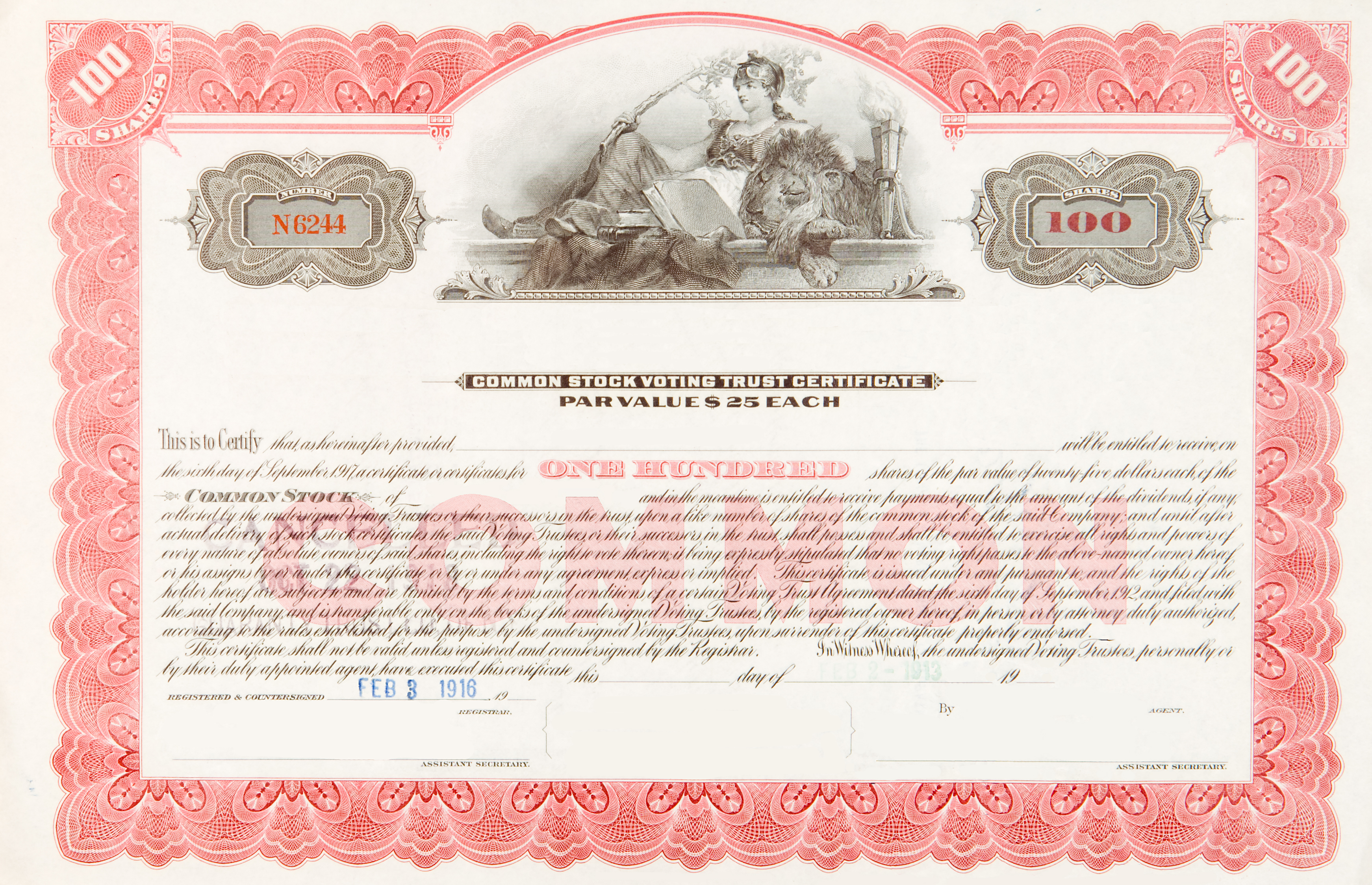
What is a common stock, and why do people invest in it?
Simply put, each share of common stock represents a share of ownership in a company. If a company does well or the value of its assets increases, common stock can go up in value.
On the other hand, if a company is doing poorly, common stock can decrease in value.
Shares of common stock allow investors to share in a company's success over time, which is why they can make great long-term investments.
In general, common stock comes with the right to vote for corporate directors, as well as the right to vote on policy changes and stock splits. There are a few exceptions to this rule, but in most cases, you'll have voting rights.
Some companies choose to distribute some of the profits on their balance sheet to common stockholders in the form of dividends, and each common stockholder is entitled to a proportional share. But this isn't a requirement.
Common stock versus preferred stock
The other main type of stock is called preferred stock and works a bit differently. The main difference is that preferred stock has a fixed, guaranteed dividend, while common stock dividends can change over time or even be discontinued. For this reason, the share prices of preferred stocks generally don't fluctuate as much as common stock.
Advantages and disadvantages of common stocks
Advantages of common stock investing
- Common stocks have massive potential for long-term gains.
- Many common stocks pay dividends.
- Common stock dividends can grow over time.
Disadvantages
- Common stocks can be rather volatile investments over short periods.
- Common stockholders are also last in line when things go bad.
- In the event of bankruptcy, holders of common stock have the lowest priority claim on a company's assets and are behind secured creditors such as banks.
How to invest in common stocks
The procedure for investing in common stocks is a rather straightforward one. Here are the basic steps:
1. Open your brokerage app: Log in to your brokerage account where you handle your investments.
2. Search for the stock: Enter the ticker or company name into the search bar to bring up the stock's trading page.
3. Decide how many shares to buy: Consider your investment goals and how much of your portfolio you want to allocate to this stock.
4. Select order type: Choose between a market order to buy at the current price or a limit order to specify the maximum price you're willing to pay.
5. Submit your order: Confirm the details and submit your buy order.
6. Review your purchase: Check your portfolio to ensure your order was filled as expected and adjust your investment strategy accordingly.
Common stock on a balance sheet
Equity is the value of what the stockholders own. On a company's balance sheet, common stock is recorded in the "stockholders' equity" section. This is where investors can determine the book value, or net worth, of their shares, which is equal to the company's assets minus its liabilities.
The main point to remember is that the total stockholders' equity is the book value of the stock, but that doesn't necessarily mean the stock trades for this amount. Rapidly growing companies may trade for several times their book value, while riskier or struggling companies may trade at a discount.
Related investing topics
Most stocks you can buy are common stocks
When buying a stock, investors don't have to wonder exactly what type of stock it is. Common stock is the default. Preferred stock will indicate in the name that the shares are preferred. Common stock is called common for a reason.
FAQ
About the Author