1. Microsoft Short-Circuits IPO-Bound AI Play
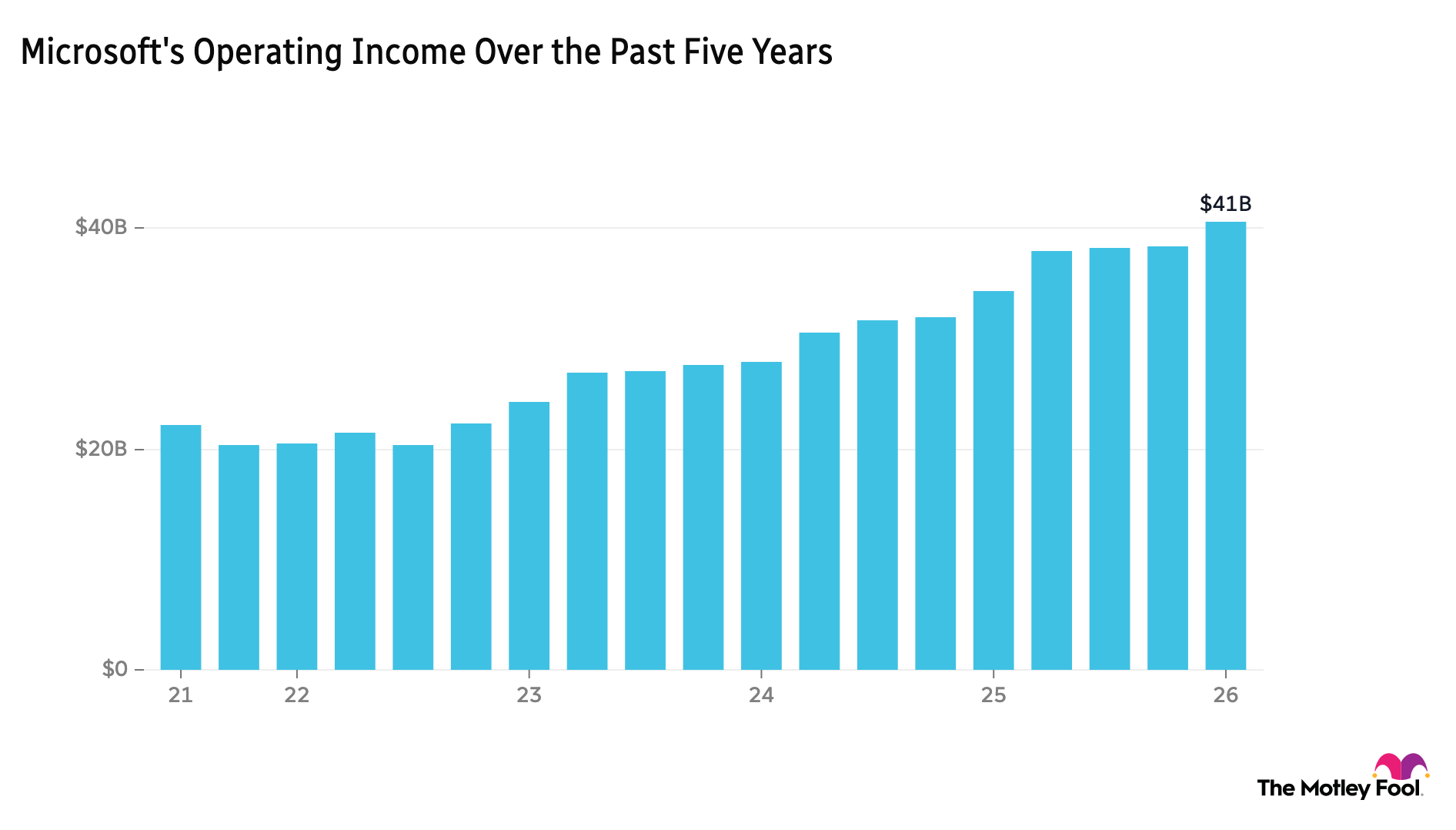
Microsoft (MSFT +0.85%) just canceled a lease on an artificial intelligence (AI) data center in the U.K. because the building can’t get power until the 2030s. The Telegraph, which reported the development, says Microsoft was the anchor tenant for the site and it planned to lease thousands of Nvidia (NVDA +1.65%) chips. Wait until you find out who the landlord is.
- A lesson for IPO investors: The landlord, Nscale, is a young British AI data center builder. It is looking to raise around $3 billion in an October initial public offering (IPO), reportedly at a valuation of up to $35 billion. Nscale counts Microsoft and Anthropic among its two major customers. Its largest customer alone (unnamed) pulled in 73% of revenue in fiscal year 2025. The canceled deal highlights one of the biggest risks of investing in AI IPOs that sell on backlog. You’re paying today for sales that don’t exist yet.
- This side of the AI industry stands to win the most: It doesn’t break the thesis for Microsoft, but proves yet again why AI demand alone cannot guarantee returns. That holds true for any hyperscaler. As AI workloads grow, power generation, electricity grids, and cooling are the biggest bottlenecks. The winners will be those that turn this AI build-out and power demand into profitable growth, not simply those that spend the most.
2. Inflation Eating Your Lunch? Your Portfolio Can Wait
U.S. stocks fell sharply last week, with the S&P 500 down 1.95% and the Nasdaq down 4.48%. Wednesday’s September Consumer Price Index (CPI) showed inflation at 3.7% from a year earlier, above the 3.6% economists expected. It was the last CPI reading before the Fed meets Oct. 27-28. Stock futures, early signals of the market’s open, are higher this morning on “buy the dip” sentiment. S&P 500 futures gained 0.6% as Nasdaq futures rose 1.2% in early trading.
- Crude remains stubborn: Core inflation, which strips out food and energy, rose 2.6% year over year, up from 2.4% in August. Airfares, used cars, and medical care all climbed. That’s the part the Federal Reserve can’t wait out, because it doesn’t automatically ease when oil does. And, oil isn’t cooperating. Brent crude, the global benchmark, closed Friday at $109.86, its highest since May.
- Know your exposure, but stay the course: The Fed raised its target range to 3.75%-4% on Sept. 16, its first increase since 2023. Sticky core prices make a second hike likelier, and pricey growth stocks would feel it first. Corrections are part and parcel of owning stocks, and we’d never sell a business on one report. Stay focused on the fundamentals and your long-term investing goals.
3. Fool Recs Take Center Stage This Earnings Week
A busy earnings week arrives as investors weigh last week’s sell-off. Several companies recommended across Fool services report this week. Here are some of the big ones:
- Karooooo (KARO +2.19%), recommended by Team Hidden Gems, reports after Monday’s close. Subscriber growth and recurring revenue are two key metrics to watch.
- MSCI (MSCI -1.72%), another Team HG rec, reports before Tuesday’s open. Subscription run rate and client retention will be key.
- GE Aerospace (GE -0.39%) reports Tuesday morning, with commercial engine demand and aftermarket services in focus.
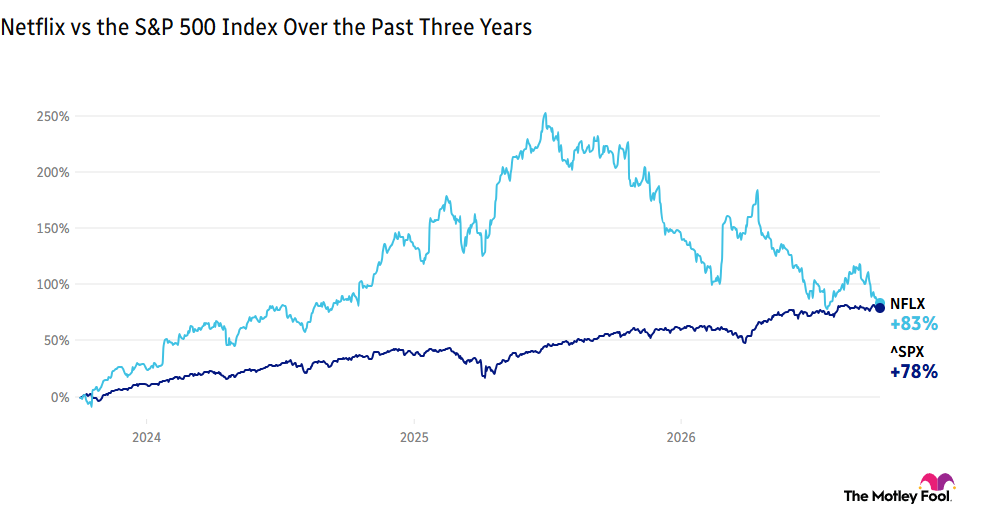
- Netflix (NFLX -1.43%) – a Stock Advisor Foundational Stock, recommended by Team Rule Breakers and Team Hidden Gems – also reports Tuesday. Advertising revenue and operating margins will be under the microscope.
- Meta Platforms (META -1.07%) posts earnings Wednesday, as investors watch AI spending plans.
- Tesla (TSLA +3.56%) updates us the same day. Vehicle margins and AI updates will be key factors to watch.
- CME Group (CME -0.13%) makes it three on the day. Trading volumes matter, since they tend to rise when markets get volatile. CME is an SA rec by Team Rule Breakers.
- Honeywell (HON -0.80%), a Team HG rec, kicks off Thursday results, offering a read on industrial demand.
- Comfort Systems USA (FIX +2.16%) reports the same day, with its data center construction backlog in focus.
- Bloom Energy (BE +2.37%) earnings are also on Thursday’s card, with fuel-cell demand from power-hungry AI facilities a key question.
4. Cisco Reboots for AI
Team Hidden Gems
Team Hidden Gems sees Cisco Systems (CSCO -0.10%) reaching $231.15 within five years, more than double today’s price of about $109. Our Hidden Gems portfolio first recommended the networking giant in September 2024 at about $47, when most investors saw a slow-growth relic of the dot-com days. Shares have climbed about 130% since then. We think the market still underrates Cisco’s role in the AI buildout, and that gap leaves plenty of upside.
- AI’s plumber: The biggest cloud companies rely on Cisco’s networking gear to link thousands of AI chips across their data centers. They placed about $9.3 billion in AI orders with Cisco in fiscal 2026, and management expects revenue from that business to nearly double next year.
- Price still matters: Cisco has pulled back from June’s high, though our earliest buyers have still more than doubled their money. The drop hasn’t shaken our confidence, because Cisco’s AI orders and revenue outlook keep pointing up. Still, at about 34 times earnings, the stock isn’t cheap, so we expect some bumps as Cisco’s AI business scales.
Team Hidden Gems recommended Cisco again in early October at about $112, and today’s price gives newer investors an even better entry point than ours.
4. Today’s Question!
Which earnings report is your make-or-break watch this quarter, and what’s the core metric on your radar?
Discuss with friends and family, or become a member to hear what your fellow Fools are saying!