Checks certainly aren't required in the same way they once were, but they still play a vital role in everyday banking activity and across the economy.
Here, we'll discuss what checks are and why they still matter in an increasingly digitized economy.
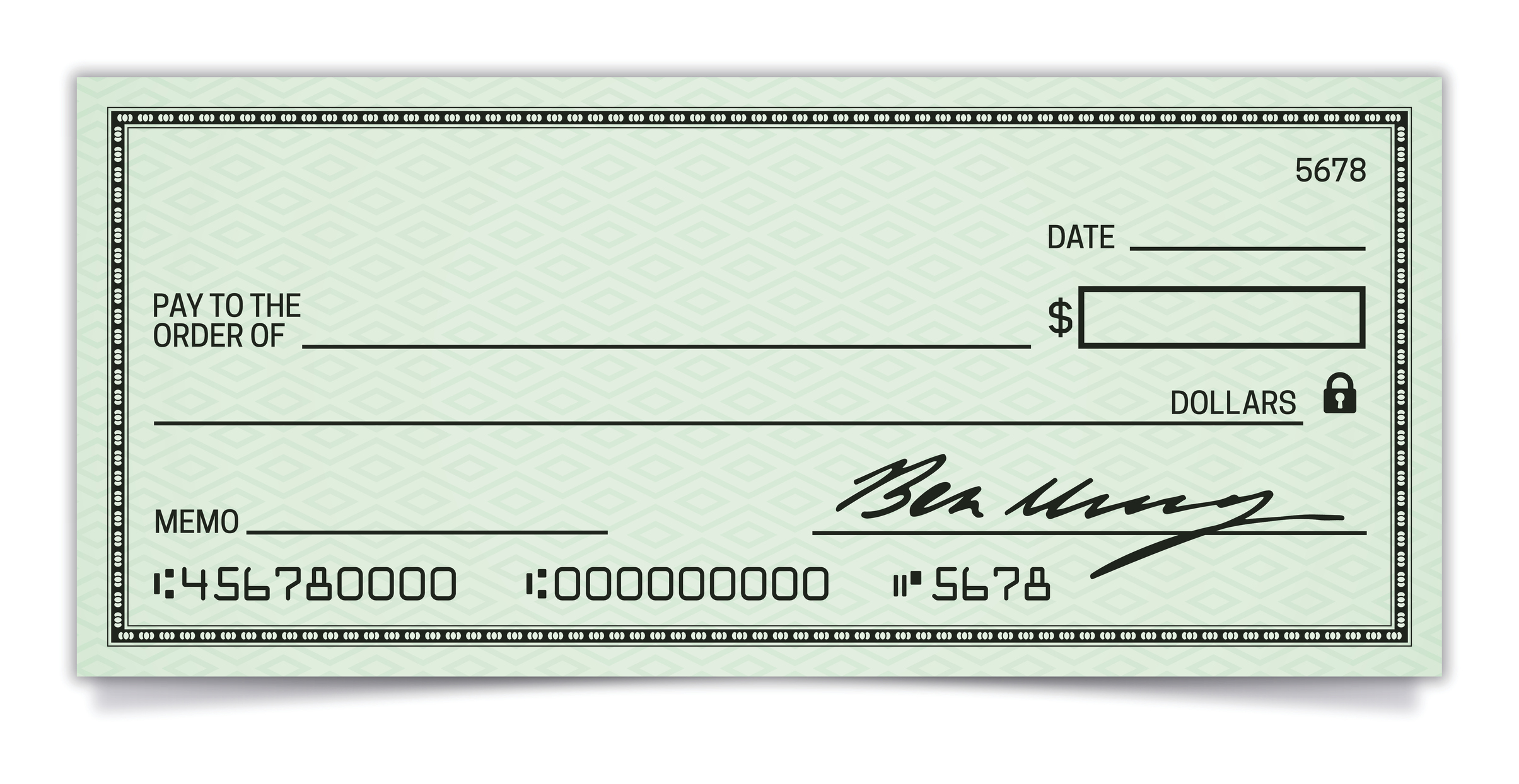
What is a check?
A check is a written order to pay from a bank account. If you have an ordinary checking account, you have the option to write physical checks from it. Checks are functional orders to pay, but at the same time, they're also legal documents that come with written instructions and a signature.
All checks require the following information to be considered valid:
- A payee name (the person to whom the check is written)
- A visible payor bank account and routing number
- A written amount to be paid to the payee
- A valid date written in the top right area
- The payor's signature in the lower right-hand corner
Finally, a live check represents a promise to pay a particular amount from the account on which the check is written. The payor needs to ensure money is available in the given account before writing the check; if money isn't available, the check is said to "bounce," and the transaction may be canceled or rejected, depending on the rules of the particular banking institution.
Why do checks matter?
Even though many millennials and members of Generation Z have never have written a check in their lives, checks are still critical to the banking economy.
Many people feel more comfortable writing checks than they do sending money electronically, given the tactile nature of writing a check and the sense of control it may provide the payor. Others may not feel comfortable giving their banking information out online, which seems reasonable given cybersecurity concerns. Some people may want written records of all money sent out from their bank account. Whatever the reason, there is most certainly still a demand for checks in our technology-driven economy.

Many millennials and members of Generation Z have never have written a check in their lives.
Disadvantages of writing checks
At the same time, checks come with their own risks. A mailed check could get lost before it arrives at its destination, potentially exposing your personal banking information to whomever the check ends up with. If you have your home address on the check, not only does a stranger now have your banking information, but they also have your full name and address.
Still, for a certain segment of the population, checks are a part of everyday life -- especially for those who may not be comfortable using a credit card or for those unfamiliar with online payments and/or bill pay functionality.
Related investing topics
Checks in the real world
Checks function much the same as a debit card, in that when you write a check and it's cashed, the money is immediately removed from your checking account.
It wasn't that long ago that you'd walk into a grocery store or department store and see people paying with checks at the cash register. It seems almost unthinkable in today's world that people would pull out a check and a pen to pay for groceries, but this was everyday life until the early 2000s. Compared to the contactless payment systems we have today, check-writing feels like something out of a historical novel.
And this is likely for good reason. Current payment systems are worlds faster and more efficient than check-writing, and in many cases provide a heightened level of security. What's more, when you pay with a credit card, you can review charges retroactively and challenge anything that looks suspicious or unusual.
Finally, it used to be that you'd need to "balance your checkbook", or manually write down transactions as you wrote out checks over a period of time. This tended to take a lot of time and was ripe with opportunities for errors on behalf of the payor. Now, we have automated systems that can help track your spending and even categorize it based on the type of spending. Needless to say, we've made some amazing technological advances in the world of payments.
As time moves on, you might find yourself writing fewer and fewer checks, but there's no telling when -- or if -- they may be phased out of our banking system.