The 5 Biggest Myths About Gold

Recs

30

Disney Buys Marvel!

...And David Gardner called it. He's up 1,334%! See what David's recommending that you buy NEXT!

Click here now to find out!

No Fool can claim a monopoly on the truth. It's far too elusive, and seldom absolute.

In my two-part series on the top 10 reasons to hold gold, I presented a holistic rationale for exposure to gold (and silver) in the context of a troubling outlook for the U.S. dollar. At the suggestion of several readers, I've now decided to tackle dissenting viewpoints by addressing some common -- and I believe erroneous -- opinions about gold.

1. Gold is a barbarous relic
British economist John Maynard Keynes once argued for an end to the gold standard by characterizing the metal as a barbarous relic. Those words have stuck, and they resonate with those who believe gold's historical role as a currency ended abruptly thanks to President Nixon's actions in 1971, and the subsequent demise of the Bretton Woods system.

CAPS member carcassgrinder opined last October: "Gold is a lot like a bundle of bad mortgages these days, it is only worth something if there is confidence in it's percieved value. Once that confidence drops ... all you're left with is a rare, soft metal with very few practical uses."

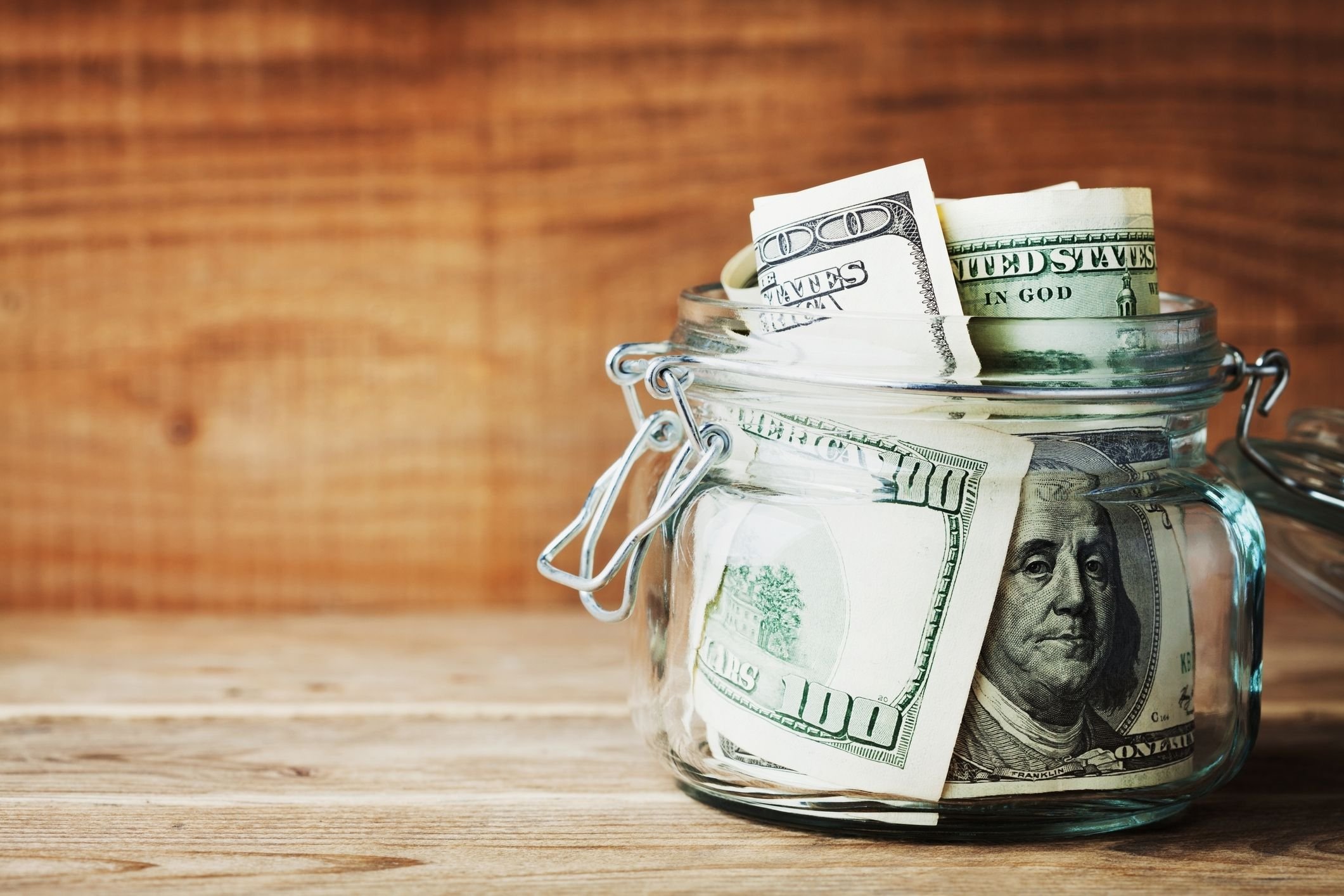
I would argue, however, that such toxic bundled mortgages share far more in common with the U.S. dollar: Both are backed by nothing but debt. The value of a dollar, likewise, is subject to confidence in its perceived value. Once that confidence drops, all you're left with are paper portraits of past presidents who would have battled against the issuance of un-backed fiat money in the first place.

As confidence in the world's leading fiat currencies erodes, gold's immutable role as the universally recognized alternative to paper money is plain for all to see. Whether it's in the tripling of gold prices since the dollar began to tumble in 2002, China's timely expansion of its gold currency reserves to 33.9 million troy ounces, or the introduction of bullion ETFs like SPDR Gold Shares (NYSE: GLD) and gold futures exchanges from Dubai to Shanghai, in practice, gold's relevance as a currency cannot be cancelled by a short-lived preference for paper.

2. Gold is driven only by speculation and fear
I have encountered no shortage of investors who state that they avoid gold because its value is purely speculative, or because demand is based primarily upon fear. While many gold investors are indeed concerned about the potential implications of uncontrolled deficit spending, to categorize gold investors as speculators is to ignore the roughly 33% decline in purchasing power of the U.S. dollar since the beginning of this secular bull market for gold. There is nothing speculative about $56 trillion of U.S. debt (including entitlement programs), nor even the defensible expectation of substantial inflation resulting from massive fiscal interventions.

To claim that speculation and fear are not in play, however, would be disingenuous on my part. To the contrary, there are moments when fear drives investors into gold too abruptly for short-side speculators to resist; I attribute much of gold's volatility to such market dynamics. Fear and speculation may influence some of gold's near-term swings, but this multiyear secular bull market can't be pinned on human psychology quite so conveniently.

3. Goldbugs are crazy
I resist the label gold bug because of the derogatory intent of the phrase. As an anthropologist, I'm fascinated by some gold detractors' tendency to cast aspersions upon gold investors, rather than debating the facts. Please, don't shoot the messenger! Central banks, sovereign wealth funds, hedge fund managers, insurance companies, and millions of investors surely can't all have lost their minds. This line of thinking is simply not constructive to a reasoned debate about gold.

4. Gold is a commodity
Gold is money, first and foremost. While it's true that one might struggle trying to pay for groceries with bullion, one can no more easily pay for gas here in the U.S. with Swedish krona. Gold trades on commodity futures exchanges alongside pork bellies, and it is indeed prized both as jewelry and in electrical components. Gold shares many traits in common with commodities, but to ignore the ways in which gold differs from commodities is to misunderstand gold altogether. (See myth No. 1 above.)

5. You can't make money in gold
It's one thing to recognize gold as a store of value, but another to see its profit potential. Gold-mining equities offer precious leverage to long-term price appreciation. A balanced basket of miners -- including major producers like Goldcorp (NYSE: GG) and Newmont Mining (NYSE: NEM), flourishing intermediates like Agnico-Eagle Mines (NYSE: AEM) and Yamana Gold (NYSE: AUY), and a sampling of budding juniors like Jaguar Mining (NYSE: JAG) or New Gold (AMEX: NGD) -- may warrant serious consideration as a successful recipe for growth, especially when broader equity growth proves as elusive as a single concrete truth.

Further Foolishness:

Closed for 15 months – opening 10 days only! Get notified ahead of time as our expert portfolio manager invests $1 MILLION in the best opportunities from across The Motley Fool’s premium investment services. This is the first open since August 2008, by invitation only. Enter email below.

With a culture that celebrates the value of diverse perspectives, The Motley Fool community creates a venue for investors to develop and test their own ideas without ignoring the importance of dissent. If you're not yet a member of Motley Fool CAPS, come join the free online community and unlock the true value of multiple perspectives.

Fool contributor Christopher Barker carries a silver coin which reads: "Honest value never fails." He can be found blogging actively and acting Foolishly within the CAPS community under the username TMFSinchiruna. He owns shares of Agnico-Eagle Mines, New Gold, and Yamana Gold. The Motley Fool's disclosure policy is 0.999 pure.

Comments from our Foolish Readers

Help us keep this a respectfully Foolish area! This is a place for our readers to discuss, debate, and learn more about the Foolish investing topic you read about above. Help us keep it clean and safe. If you believe a comment is abusive or otherwise violates our Fool's Rules, please report it via the Report this Comment Report this Comment icon found on every comment.

  • Report this Comment On June 09, 2009, at 6:21 PM, TMFHousel wrote:

    "Central banks, sovereign wealth funds, hedge fund managers, insurance companies, and millions of investors surely can't all have lost their minds."

    That said, how do you explain 2003-2007?

  • Report this Comment On June 09, 2009, at 6:41 PM, MellowGuy1 wrote:

    There isn't enough gold to be useful as a store of value, in addition it isn't that useful for people's every day needs.

    Gold bugs don't realize that the real store of value is those businesses that provide products and services that people want.

    Gold is a commodity and buy it and the mining companies when the price is low and sell when the price is high. (I am seeking a patent on this idea.)

    I have made a profit in gold in the past year by buying GLD ETF and selling options against it.

  • Report this Comment On June 09, 2009, at 8:00 PM, TMFSinchiruna wrote:

    TMFHousel,

    There is so much twisted irony packed into that quip. :P

    The context of the quote referred to irrational aspersions about people's character, not who was right or wrong with their investment theses, so let's play fair.

    During the period you mention, though, gold investors were about the only people I encountered that were warning of the dollar crisis and derivatives meltdown to come. I was forewarned, and prepared accordingly ... beginning in 2005 when gold was under $500.

    Truthfully, does it not seem a bit ironic to you that gold investors must absorb assaults upon their character as much after their concerns proved warranted as they did before the cat was out of the bag?

    MellowGuy1,

    I guess myths die hard after all. :(

  • Report this Comment On June 09, 2009, at 8:40 PM, TMFSinchiruna wrote:

    By all means, please continue to share your thoughts and questions here, but I also wanted to direct your attention to a helpful discussion of this article taking place on my CAPS blog:

    http://caps.fool.com/Blogs/ViewPost.aspx?bpid=209615&t=0...

    Fool on!

  • Report this Comment On June 10, 2009, at 8:29 AM, catoismymotor wrote:

    Chris,

    Thank you for this article and your blog. I do have a question about the best way to invest in gold. Is it better to invest in a mine, like AUY, JAG or AZK. Or is it better to invest in a company that keeps physical gold on hand, like CEF? I have to admit that I like the idea of CEF better than owning a mine. Any input you have to offer is welcome.

    Cato

  • Report this Comment On June 10, 2009, at 9:29 AM, TMFSinchiruna wrote:

    Cato,

    Those choices would serve different purposes within a portfolio. CEF or other bullion proxies (remember that CEF is split about half/half between gold and silver, which I consider a plus, but something to keep in mind) serve as that more traditional safe haven asset that will serve to counteract the erosion of wealth which occurs with substantial inflation. These proxies provide a solid foundation for precious metals exposure, while miners provide the vehicle for capital appreciation in a rising price environment. Please see my prior articles for caveats about the tremendous potential volatility and the fact that leverage for the miners works in both directions, but because I am convinced that the long-term upward trend for precious metals has considerably more room to run as the dollar struggles, I consider carefully selected miners a safe means of adding profit (net of inflation) to the safe-haven benefit of gold exposure.

    My prior articles will clearly delineate some of the more carefully vetted miners that I consider high-quality, low-risk producers. Please select miners carefully, considering geography (political risk), balance sheets, ore grades, mining costs, growth prospects, etc., etc.

    In my opinion, the best way to invest in gold is through a multi-tiered approach that divides a given allocation amongst bullion proxies, miners of various size-ranges (juniors, intermediates, and majors), and perhaps a royalty company. If my allocation were too small to make such an approach practical, then at this stage I suppose I would favor one of the intermediate miners.

    Fool on!

  • Report this Comment On June 10, 2009, at 10:02 AM, catoismymotor wrote:

    Chris,

    Thank you for your council. I now have a better idea of what steps I next need to take.

    Cato

  • Report this Comment On June 10, 2009, at 12:04 PM, stockjock43 wrote:

    at 4 bucks AUY was a steal...but up here in the 10-12 range again? Its a tough call..... thinking of buying AUY at 10.20 but not sure just yet

  • Report this Comment On June 10, 2009, at 7:05 PM, TMFSinchiruna wrote:

    stockjock43,

    For your reference, here is my Yamana write-up from last month's earnings release:

    http://www.fool.com/investing/general/2009/05/06/the-quarter...

    And please watch for a Yamana update coming out tomorrow.

    Fool on!

  • Report this Comment On June 16, 2009, at 8:54 AM, Teamdewhurst wrote:

    Good to see this, but the author still misses the major economic reason to buy gold and that is simply supply and demand. Gold supply historically over the last 300 years is on average 1.9% and thus why our Founding Father's wanted our currency tied to production. Then Congress would be restrained from printing money by gold producers and keep us consistently growing at a manageable and reasonable rate of about 1.5-2% per year. That is why the Banker's forced on us in 1914, WW1, the Income Tax and the Federal Reserve Act. Now, gold production is estimated to be down 7-10% indefinitely, unlike oil which is an infinite resource, gold is finite and the easy gold at the surface is gone. So, it is going to cost more to get it out of the ground globally. The author also fails to address anything related to price fixing by central bankers or the COMEX naked shorting that is supposed to be banned to keep the price under control, doesn't touch on the fact that gold has been the world reserve currency for nearly 5000 years where the dollar is probably going on 150 years. No currency that has ever been debased has lasted, although now with credit that could help the dollar to last longer.

    He does not talk about the ever increasing demand for gold's use in electronics or jewelry. He doesn't touch on the fact that not only China, but Russia, Saudia Arabia and millions of Americans are hungry for physical gold. Average prices on all available mediums to buy physical gold are anywhere from 15-60% higher than spot price right now, which lends anyone with half a brain to realize the yellow metal is completely undervalued. And I love how people say, well if society breaks down people will not be trading gold for bread, no joke shirlock, because in the worst of times the most valuable currency gets sucked out and is hoarded because it is the only true store of wealth other than a business, real estate and food. I was in Zimbabwe when their currency crashed in 2005, and we had US Dollars and we were like Kings there. Similar, if the US Dollar crashes, people with Gold will live like Kings, and they will protect their wealth. The four stores of wealth in a societal breakdown are Gold, Food, Business and Land and in our society only for the time being mutually owned Whole Life Insurance with participating dividends.

    Gold does not have a board of directors, Gold in Russia is the same in Argentina and is used in the Bible as a form of currency. We are still talking about it. We don't talk about Roman coins do we? We don't talk about old USSR coins or money do we? Or the old debased Chinese paper currency from 400 years ago do we? Yet, for some reason nearly 5000 years later we are still arguing about gold, but yet it has no value? Wake up, all currencies in the world are paper, and they are controlled through inflation to make bankers rich. Gold is one of our only protections to that. If you don't own farm land or a store of food, look at DAG as a hedge, grain prices are about to go through the roof.

    But, with that said I am glad to see this post, so many people have no clue what gold really is or how to buy it.

Add your comment.

Compare Brokers

TD AMERITRADE
more info
ShareBuilder
more info
Power E*Trade

more info
Scottrade
more info
Fool Disclosure

DocumentId: 917078, ~/Articles/ArticleHandler.aspx, 11/8/2009 7:52:46 PM

Report This Comment

Use this area to report a comment that you believe is in violation of the community guidelines. Our team will review the entry and take any appropriate action.

Sending report...

The Must-Read Story on Fool.com
Which Companies Can Buy It Like Buffett?

Related Tickers

11/6/2009 4:00 PM
AEM $57.55 Up +1.15 +2.04%
AGNICO EAGLE MINES… CAPS Rating: ***
GG $41.25 Up +0.81 +2.00%
Goldcorp, Inc. (US… CAPS Rating: ***
NEM $49.04 Up +1.79 +3.79%
Newmont Mining Cor… CAPS Rating: ***
JAG $9.49 Down -0.02 -0.21%
Jaguar Mining CAPS Rating: ****
GLD $107.43 Up +0.45 +0.42%
SPDR Gold Trust (E… CAPS Rating: ***
AUY $12.05 Up +0.28 +2.38%
Yamana Gold, Inc.… CAPS Rating: ****
NGD $4.05 Up +0.07 +1.76%
New Gold, Inc. (US… CAPS Rating: ***

Community: Investing Wiki

Term Of The Hour

Rate base: The rate base is the amount of assets a utility is allowed to include in the calculation of the rates charged to users. Rate increases must be approved by a state utility board. The approved rate is normally based on a target return on the allowed rate base.

Want to learn more or edit this definition?
Click here to read more!