Time gives teenagers a massive advantage over those starting their investment journey later in life. Albert Einstein is said to have described compound interest as "the eighth wonder of the world. He who understands it earns it...he who doesn't...pays it."
Compounding is a powerful force because of its impact over time. The longer you allow an investment to compound, the more valuable it becomes.

Teens can let the wonders of compounding interest work to their advantage over a longer period, which can help them build more wealth by the time they reach retirement. This guide will help teens and their parents get on the right path to building wealth through investing. Let's dive into why investing for teens may be a great way to build wealth early.
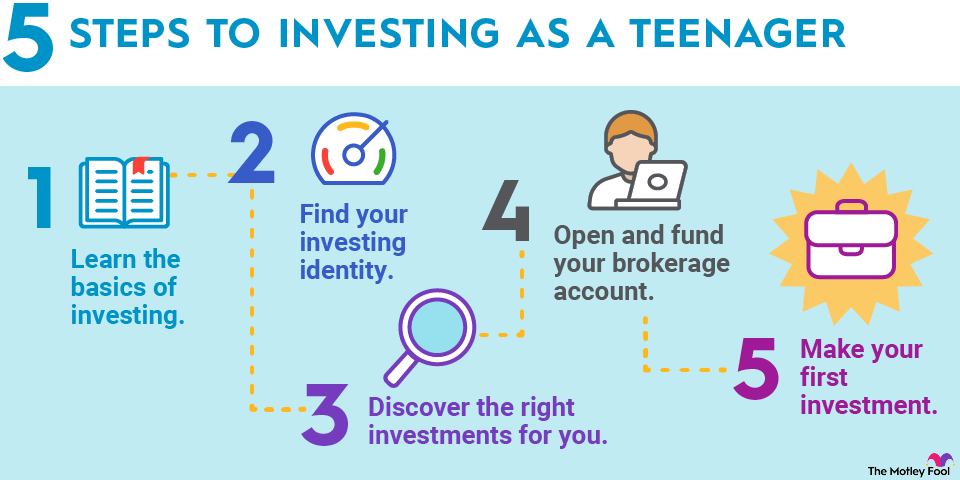
Five steps to investing as a teenager
It's easy for anyone, including teenagers, to start investing. Just follow these five steps, and you'll be on your way to an exciting lifetime adventure.
- Learn the basics of investing.
- Find your investing identity or risk tolerance.
- Discover the right investments for you.
- Open and fund your brokerage account.
- Make your first investment.
1. Learn the basics of investing
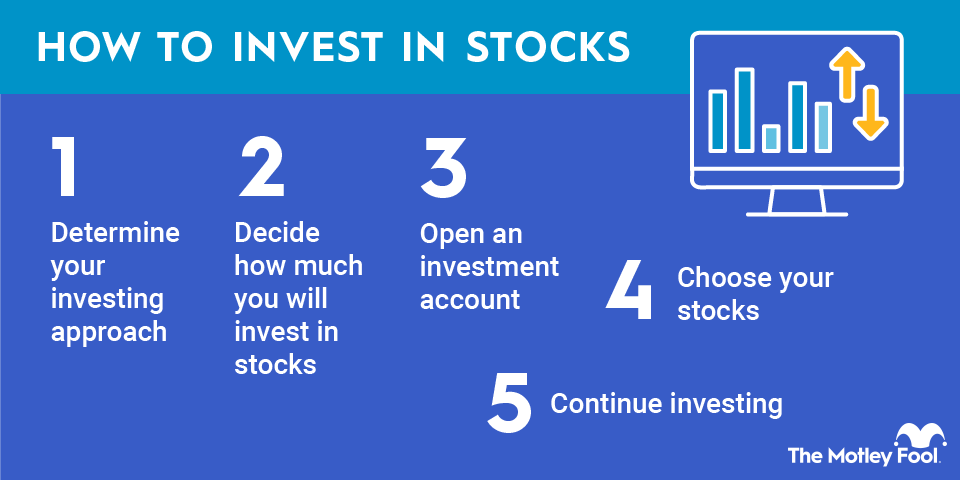
As with any new adventure, investing might seem challenging at first. However, it's relatively simple once you understand stock market basics and how to invest in stocks.
Read as much as you can about investing so you know how it works, mistakes to avoid, and best practices to follow. Also, be sure to check out our book, The Motley Fool Investment Guide for Teens.
2. Find your investing identity
Another important part of the process is to discover your investing identity. Are you a risk-taker? Growth investing might be right up your alley. Maybe you like getting paid (who doesn't?). You could consider income stocks. Do you love a great deal? Then you might be a value investor at heart.
As you discover more about how to invest money as a teenager, you'll likely go down one of two paths: active or passive investing.
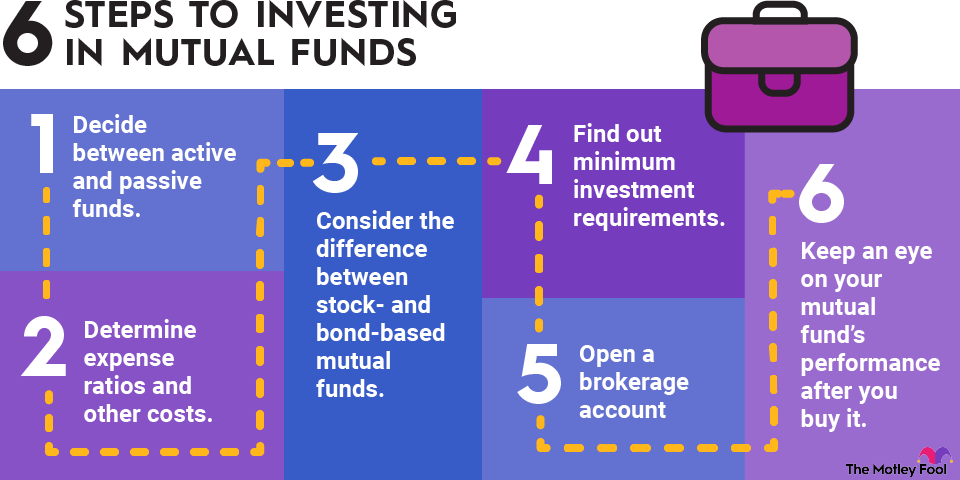
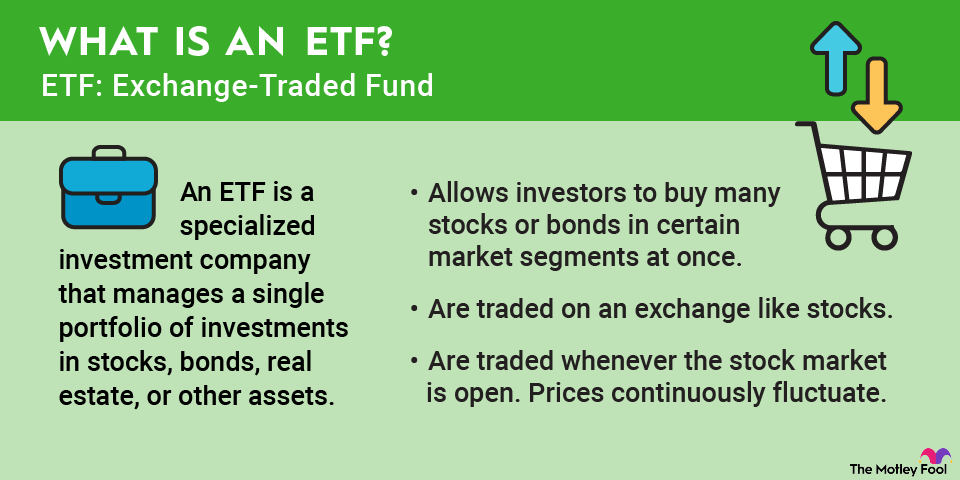
If you find that active investing isn't your thing, don't give up. Instead, take a little more time to investigate passive investing options, such as mutual funds and index funds that track stock market indexes.
There's no wrong answer when it comes to risk tolerance, but if you fail to find your identity before you begin and take on more risk than you can handle, it can cause you to make bad decisions when times are tough.
How parents can start investing for their teens
Parents can play a vital role in helping their teens start investing. The best way they can do that is to encourage them during every step of the process. If you're already an experienced investor, show your teen the ropes. If not, learn with them. That way, building wealth can be a family activity.
Guide them in discovering their investing identity, which might be quite different from your own. Your teen has decades of investing ahead of them, while you have a shorter remaining investing time horizon.
They can afford to take on more risk, including investing in some individual stocks that pique their interest, even if it might be a bumpier road. Encourage them to find what interests them so that they'll stick with investing when times get tough, which we all know eventually happens.
Help them set up their brokerage account, but don't do it entirely for them. You want them to take ownership and initiative so that they continue investing. Also, it wouldn't hurt to get them started with a gift deposit in their brokerage account. You could even offer to match a portion of their future deposits for a few years, much like a 401(k) company match.
Learn the hard lessons together
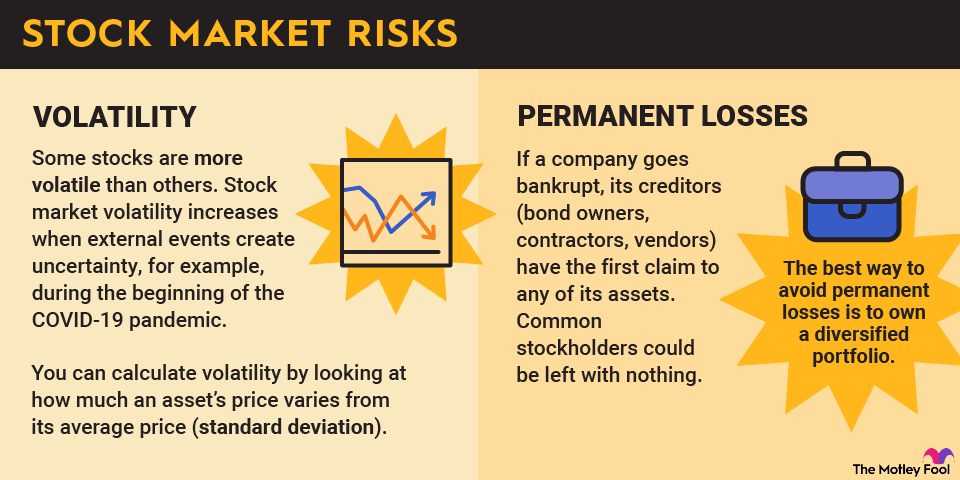
It has been a wild few years for investors. Stocks rode a pandemic-fueled roller coaster and survived the so-called "meme stock" craze, where certain stocks surged and plunged for no apparent reason. Investors have also been forced to deal with the uncertainty caused by rising inflation.
Such volatility can be unsettling for even the most seasoned investor. For teens and others new to investing, it can be downright horrifying. It is important for parents to help their teens stay focused on the long term and remain mindful that stock prices fluctuate but almost always gain value in the long term.
Related investing topics
Investing for teens FAQ
About the Author
Lou Whiteman has no position in any of the stocks mentioned. The Motley Fool has no position in any of the stocks mentioned. The Motley Fool has a disclosure policy.