Step 9: Evaluate Businesses

Recs

41

First things first: Notice that the title of this step is "Evaluate Businesses," not "Evaluate Stocks." Though investment research is often described in terms of evaluating stocks, Fools know that when you buy a share of stock, you are really buying a piece of a business.

To figure out how much the stock is worth, therefore, you first need to determine how much the whole business is worth. You can begin this process by assessing the company's financials in terms of per-share values to calculate how much the proportional share of the business is worth.

If you own one share of Wal-Mart stock, you, along with members of founder Sam Walton's family and many other shareholders, own the company. True, the Walton family owns more of it than you do. A lot more. But your share still counts. When important decisions are to be made, the company will send you a ballot and solicit your vote. And every time a shopper buys a snorkel, a stereo, or a set of towels at Wal-Mart, a tiny fraction of the profit that purchase generates is yours. A very, very tiny fraction, true, but don't let that get you down -- there are a lot of Wal-Mart shoppers.

The fate of each share of stock is tied inextricably to the fortune of the underlying business, and to the market's perception of the future prospects for that business. A common error investors make is thinking of shares of stock merely as slips of paper that fluctuate in value, instead of as very real chunks of actual ongoing businesses. Don't make this mistake.

It all boils down to price and quality
As you learn more about how to study companies, you'll run across many different measures and tools that investors use in their evaluations. These tools might include P/E ratios, return on equity, cash-flow valuations, and so on. At first, all the valuation tools in your mind might end up in a big clutter. Eventually, though, you should try and sort them into two categories: price and quality. Here's why.

Bearing in mind that there are really only three kinds of people in the world -- those who can count and those who can't -- there are three main questions you need to answer before you decide whether to invest in a company:

  1. Is this a strong and growing high-quality company?
  2. Is the company's stock priced attractively right now?

(We stole the above joke from Warren Buffett's 1998 annual letter to his Berkshire Hathaway shareholders. At some point, if you really want an education in evaluating businesses, instead of going to business school, just read Mr. Buffett's collection of annual letters.)

If you don't make a point of addressing these questions (however many there were), you might end up buying grossly overvalued shares of a wonderful company, or you might snap up shares of a business that's about to be cut in half at what seems like a bargain price.

Quality
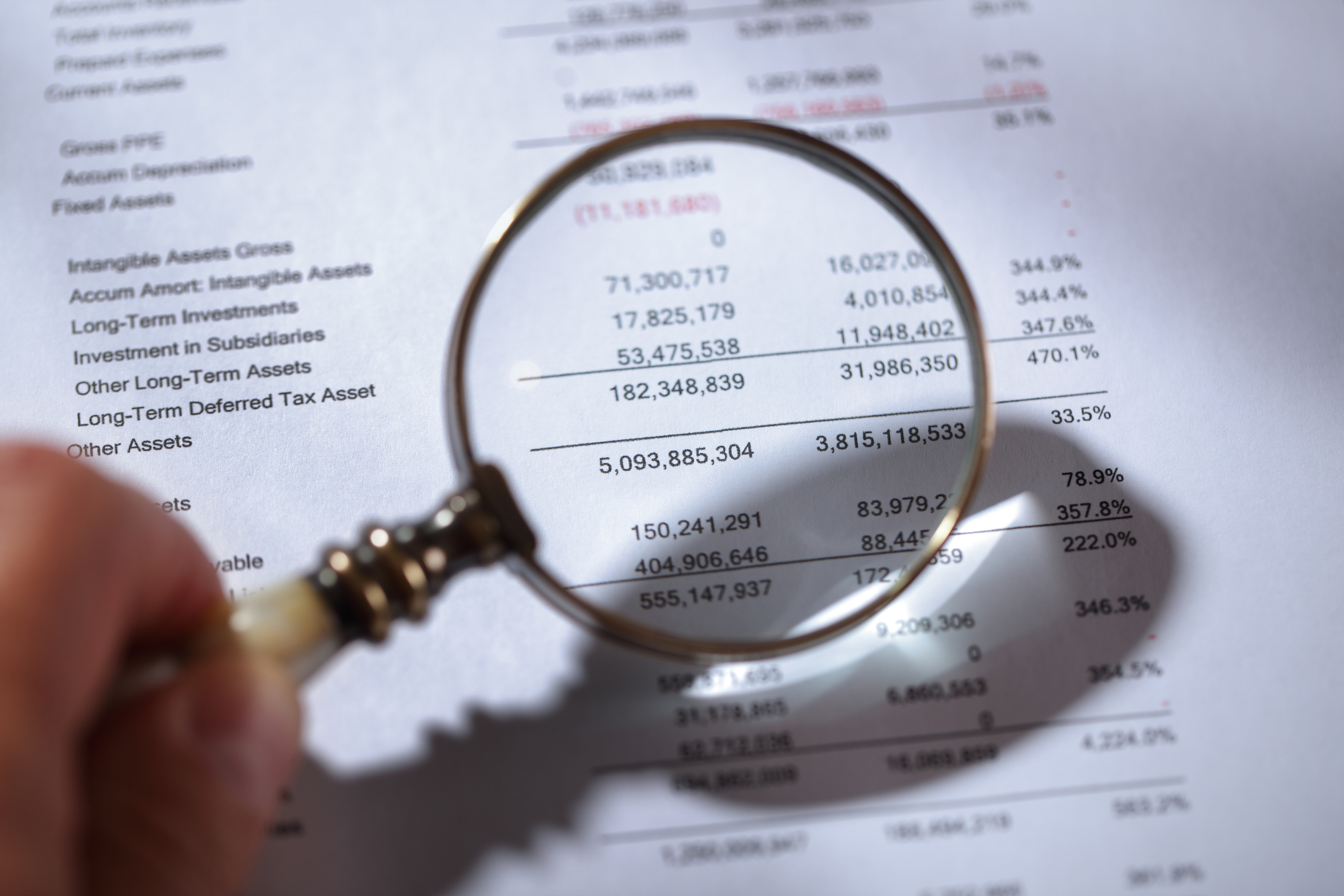
There are a number of ways to zero in on a company's quality. Is it debt-free or up to its ears in interest payments? Does the firm have a lot of cash? Is it generating a lot of cash and spending that money efficiently? Are sales and earnings growing at an admirable clip? Are gross, operating, and net profit margins growing, as well? Is the management smart and executing well? Is the company well-positioned to beat out competitors? Does the company have a brand name that is widely known and admired?

Price
When evaluating a company's price, you shouldn't be interested in how many dollars one share costs -- you need to measure the per-share cost of a stock against something. Investors typically take a number of measures and compare them to the firm's earnings. The price-to-earnings (P/E) ratio, for example, compares a company's stock price to its earnings per share. Some companies aren't properly valued based on their earnings, though (because there may not be any), so the price-to-sales ratio is also frequently used. Another earnings-based ratio is the PEG, which compares the P/E ratio to the company's earnings growth rate.

You can also evaluate price by estimating the company's earnings for all the years ahead and then discounting them to their present value. A company's stock price is essentially a reflection of all its expected future earnings, discounted at an appropriate rate. If your calculations suggest the total discounted earnings of a company will result in a valuation of $80 per share, and the stock is currently trading for $60 per share, you could be looking at a real bargain.

Value
Once you have a handle on a company's quality and its price, you can begin to make a judgment on what the intrinsic value of the company should be. Before we go any further, know that there are many different investing styles, and many different ways to value stocks. Some investors focus primarily on finding undervalued companies, paying close attention to a stock's price. Others consider price, but focus more on the quality of the business. Both of these are Foolish approaches.

What is un-Foolish is simply to look for rapidly growing companies, regardless of price or quality, or to only examine charts of a stock's price movements and its trading volume.

Learning more
Success in analyzing individual businesses -- and, ultimately, investing in them -- is about buying what you understand the best and constantly refining and adding to your knowledge about companies.

Here are some steps you can take to broaden your range of understanding:

  • Try out the company's products or services. Be familiar with how they’re improving and what demand for them is like.
  • Read up on the company. Find books and articles on it.
  • Check out our free discussion boards for any company you're interested in. Online, you can and should ask questions of fellow Fools. In particular, check out the Frequently Asked Questions (FAQ) post that is linked to on the side of many individual company message-board posts.
  • Figure out what the company's business model is. How is it making money? How is it organized? How might the model change in the years ahead? On what assumptions is the model based?
  • Examine the company's competitive environment. What are its competitors up to? Is the company likely to be able to fend off attacks? What advantages does the company have over the competition? Is it at any disadvantage? How is the industry changing, and what challenges does it face?
  • Think about the company's risks. In SEC filings, particularly 10-K reports, the company's management will have explained some risks that they see.
  • Crunch a bunch of numbers. See just how quickly sales are growing. See what the firm's debt-to-equity ratio is. Determine its gross margins.
  • Talk to people in the business, such as company employees, suppliers, customers, people familiar with competitor companies, and so on. See how they perceive the industry and where it's headed. See what they think of the company you're studying and its future prospects.

At first glance, that may seem like a lot to put together. But remember, that's what this is all about -- helping Fools understand and put it all together. To learn more about closely studying and evaluating businesses, move on to Step 10.

To see the rest of the 13 Steps, follow the links at the bottom of this article.

Compare Brokers

TD AMERITRADE
more info
ShareBuilder
more info
Power E*Trade

more info
Scottrade
more info
Fool Disclosure

DocumentId: 648706, ~/Articles/ArticleHandler.aspx, 11/10/2009 10:26:09 AM

The Must-Read Story on Fool.com
Health-Care Reform: A Tale of Two Chambers

Community: Investing Wiki

Term Of The Hour

Defined-benefit plan: A defined-benefit plan is a retirement arrangement in which an eligible retired employee receives specified payouts from his former employer throughout retirement. The employer is responsible for managing the money to be able to make these pension payments, so the payouts can be reduced or eliminated if circumstances warrant.

Want to learn more or edit this definition?
Click here to read more!