


Here's What Could Happen if Trump's 10% Credit Card Interest Cap Gets Approved

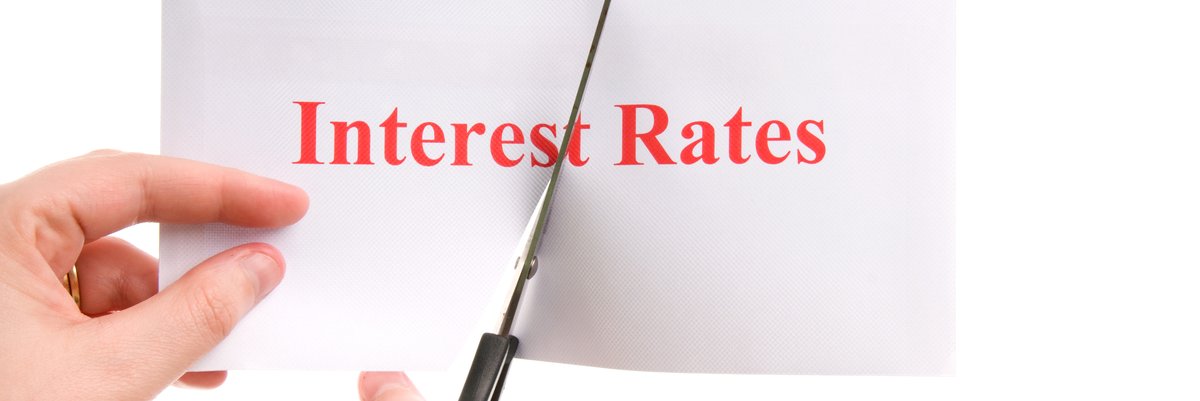
Image source: Getty Images
Earlier this month, President Donald Trump publicly called for credit card interest rates to be capped at just 10% for one year. The national average APR is currently just under 20%.
On the surface, that sounds like a financial win for consumers. But when you dig a little deeper, there are ripple effects to capping interest rates that throw the whole system off balance.
If this 10% rate cap becomes a reality, here are a few things that could likely happen.
1. It will be harder to get approved for a credit card
Capping interest at 10% changes the whole business model.
Credit card issuers make money from two main sources: merchant fees and interest collected from consumers. If the interest revenue stream shrinks in half overnight, banks are likely to respond by tightening their approval standards.
That means folks with fair or limited credit history could get denied for credit cards and instead turn to more expensive options, like payday loans or buy now, pay later plans.
Trump's proposed rule designed to help borrowers may end up pushing the most vulnerable people into worse situations.
2. Say goodbye to generous credit card rewards
Another cost-cutting measure: If banks are forced to cap the interest they can collect, they'll likely scale back on the goodies. We will see smaller welcome offers, lower reward rates, and redemption options that just aren't worth it.
That's a huge bummer for folks who pay off their cards every month and use rewards to travel, or get cash back (myself included!).
If rewards are your thing, it might be smart to lock in a solid card now -- while the programs are still stacked in your favor. You can compare the top-rated 2026 rewards cards here.
3. Smart borrowers can pay off debt faster
For those truly working on paying off their credit card debt, lowering interest rates would give them a tailwind to crush debt faster.
For example, let's say you're carrying a $5,000 balance at 20% APR and you drop to 10%. That could mean hundreds in interest savings over a year. And if you keep your payments high, more of that money goes toward the principal.
Better yet, you don't have to wait for policy changes to save money on interest. Many of today's top 0% intro APR cards offer no-interest periods for 12, 15, even up to 21 months. You can use them to transfer a balance and crush your debt on your own timeline, starting today.
See the best balance transfer cards in 2026 to help wipe out debt interest-free.
4. Minimum payments would shrink
Most credit card issuers calculate your minimum payment as a flat percentage of your balance (like 1%-3%) plus the monthly interest.
If APRs drop to 10%, the interest portion of that equation shrinks. And given the national average APR today of around 20%, it will be cut in half.
So basically for anyone carrying a balance, the minimum required payment each month would drop drastically.
But…
5. Overspending becomes more tempting
There's a catch to lowering minimum payments: Since the sting of carrying a balance might not feel as sharp, many people would feel it's OK to loosen their budget and spend more.
Give an inch, and they'll take a mile.
I'm not saying everyone will take advantage. But I've been in personal finance long enough to see many folks who are given debt relief blessings end up in even worse situations later.
So… will the 10% rate cap actually happen?
Right now, Trump's 10% interest cap proposal is all talk. Experts say it would likely require Congress to pass new laws, which is far from guaranteed.
We don't know if this interest rate cap will ever see the light of day. But here's what we do know: You're in control of your credit card habits. No matter what happens in Washington, you can stay ahead by choosing the right credit card, paying on time, and keeping interest costs in check.
Our Research Expert
Joel O’Leary is a full-time Personal Finance Writer at Motley Fool Money, covering credit cards, bank accounts, investing, mortgages, and other personal finance topics. Joel has been writing about personal finance since 2018, previously leading editorial content for the How To Money podcast and serving as a resident writer at Budgets Are Sexy. He bought his first rental property at age 18, funding the down payment with savings from his high school job at McDonald’s -- a testament to his lifelong passion for smart money decisions. His work aims to make personal finance accessible and actionable for everyday readers. When he’s not writing, Joel enjoys surfing and spending time with his family.
Motley Fool Stock Disclosures
The Motley Fool has a disclosure policy.