Here's What Happens When You Stop Using Cash

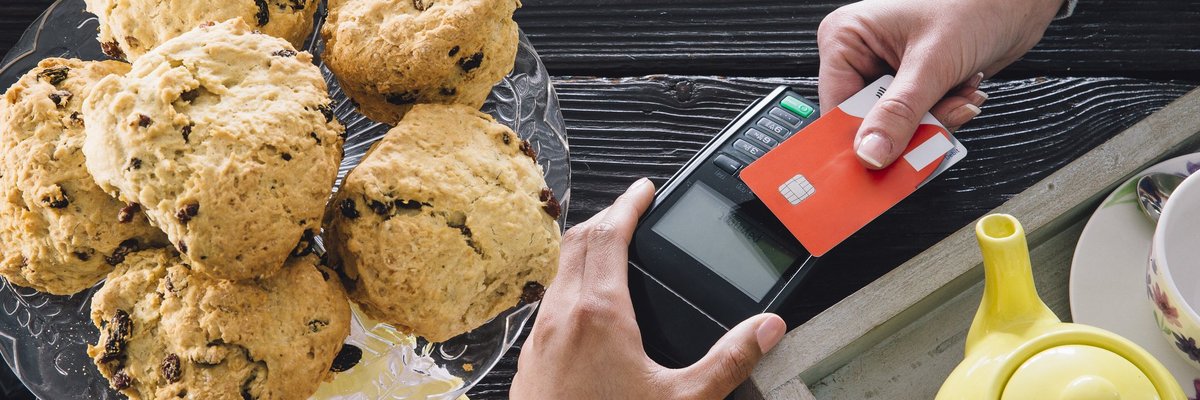
Image source: Getty Images
Cash feels as unnecessary as ever these days. It just gets in the way as I take my phone out of my pocket to pay at the register.
With credit cards, phones, finger prints, and face scans, I hardly ever have cash on me anywhere. Here's how that impacts me.
Splitting bills gets easier
If you're not carrying cash, you're not scrambling for exact change or fronting the whole bill and hoping someone pays you back.
Apps like Venmo, Zelle, and Cash App make it instant.
That sounds small, but it adds up. Fewer awkward "I'll get you next time" moments. Fewer IOUs that never get settled. Every dinner out with friends just gets easier.
Garage sales, tips, and small vendors change
If you stop carrying cash entirely, some transactions get harder.
- Tipping at a hotel
- Buying from a roadside stand
- Paying a babysitter
- Small neighborhood fundraisers
More vendors are accepting cards now, or are happy to take payment via something like Venmo or Cash App, but not all.
You may find yourself saying "no" more often simply because you can't tap to pay.
Emergencies feel different
If your wallet gets stolen and you had $200 in cash, that money is gone.
If your cards are stolen, you can freeze them from your banking app in seconds.
Most major issuers offer zero liability fraud protection. That means unauthorized credit card charges typically get reversed.
But if a payment network goes down, or you're in a place with poor connectivity, cash is still king. Fully cashless means fully dependent on systems.
Your savings can work harder
If you used to keep extra cash at home, that money only lost value.
When all your cash stays in the bank, you have the option to move what you don't need every month into a high-yield savings account earning around 4.00% APY. That's 10x the national average.
Keeping money digital makes it easier to automate transfers and let compounding do its thing. If you're fully cashless, it makes sense to also make sure your savings rate isn't stuck near zero. You can compare some of the top high-yield savings accounts here.
You might earn rewards you never earned before
A simple 2% cash back card means every $2,000 in monthly spending earns $40 back. Over a year, that's $480.
If you pay your balance in full each month, those rewards are essentially free. For people who are disciplined, going cashless can quietly add hundreds per year.
If you want to see what that looks like in practice, compare some of the best cash back credit cards here.
You lose one powerful spending brake
If you walk into a weekend with $100 in your wallet, that's your limit. Going cashless removes that limit, unless you create one manually.
The people who thrive without cash usually have:
- Automatic bill pay
- Automatic savings
- Weekly spending reviews
- Real-time transaction alerts
Without that structure, convenience wins.
And seriously, check your savings account APY. If you're with a big name bank, it's likely around 0.01%. Changing to a high-yield savings account paying around 4.00% will be the easiest financial win you'll ever have. Check out some of the best accounts available now.
Our Research Expert
Jake FitzGerald is a full-time Editorial Strategist and Personal Finance Writer at Motley Fool Money, leading content production and distribution while also writing about credit cards, bank accounts, and other financial products. He has more than a decade of experience editing and shaping financial content to give readers clear, trustworthy money advice. His work focuses on delivering practical insights that empower people to make smarter financial decisions. Off the clock, he’s a fan of college football tailgates and still loyal to his favorite putter -- despite what his short game suggests.
Motley Fool Stock Disclosures
The Motley Fool has a disclosure policy.