Cable giant Comcast (CMCSA -2.82%) recently promised to double the energy efficiency of its networks by 2030. The main goal is to cut the electric energy consumed per terabyte of data transmission in half, paired with a carbon-neutral footprint by the year 2035.
These greener plans are clearly great for the environment, and Comcast deserves accolades for setting realistic energy consumption goals. However, that announcement didn't paint the whole picture. One crucial detail that wasn't mentioned will undermine Comcast's environmental aims dramatically.
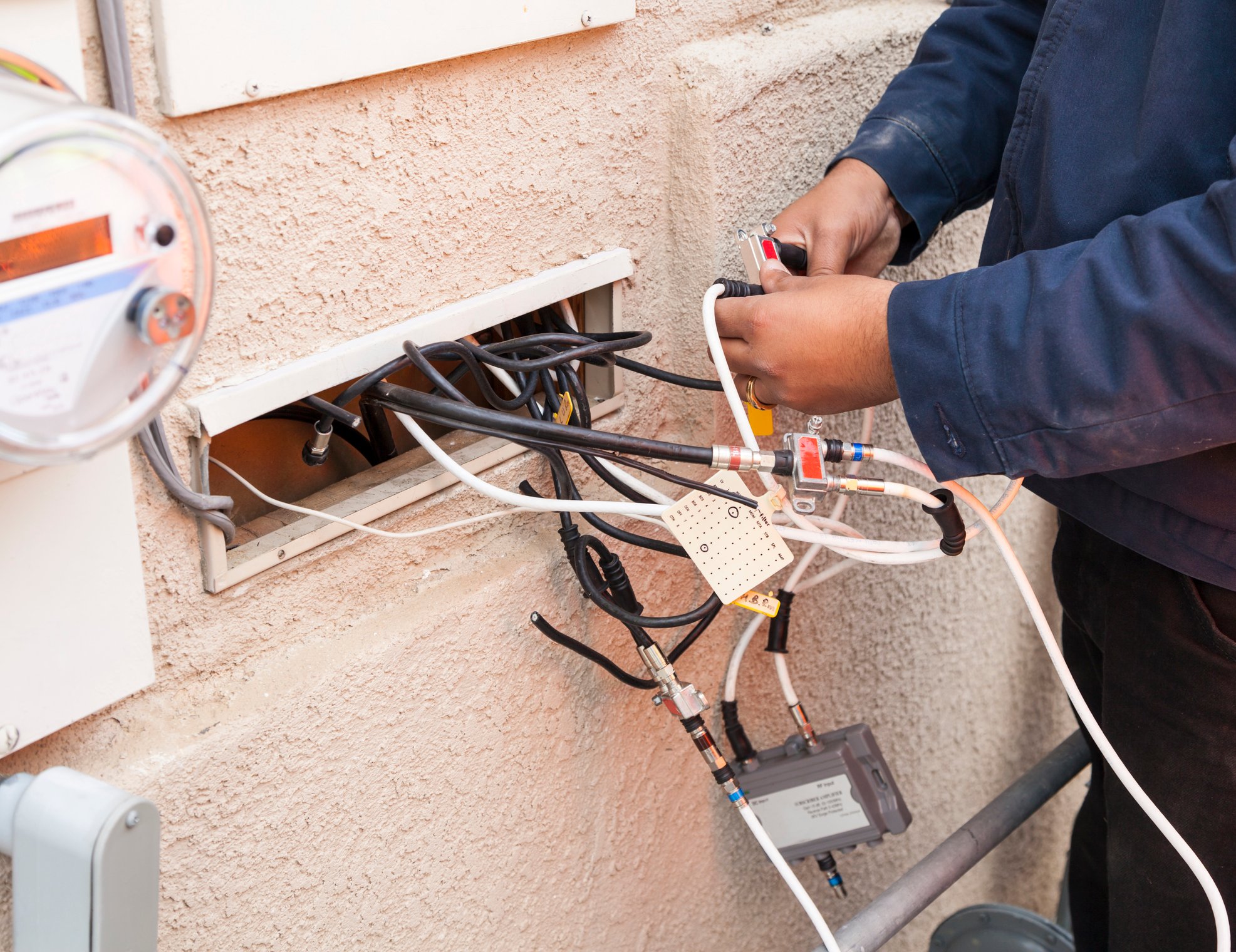
Image source: Getty Images.
There's data growth ahead, Captain!
Reducing the power usage per terabyte of data is arguably a necessary goal for every player in the networking sector. The global hunger for more data keeps growing, and doubling the network's energy efficiency won't be enough to outweigh that unstoppable trend.
According to Cisco Systems' Visual Networking Index, the world produced roughly twice as much data in 2021 as it did in 2019. It's true that this period included the onset of the coronavirus pandemic, which lit a fire under personal and professional data consumption around the world, so it's not the most normal growth rate ever.
But the growth doesn't look much slower in other periods, either. It took just three years to double data flows from 2016 to 2019, for example. Looking ahead, Cisco expects data volumes to double again by 2025. That's a four-year span.
All of these data-doubling periods are much shorter than Comcast's stated goal line for halving the energy used per terabyte. Cisco's report doesn't go that far into the future, but data volumes should quadruple or more by the year 2030. Therefore, Comcast's network-related energy usage will actually double during this efficiency-boosting project.
Green trends in the networking industry
Comcast doesn't stand alone, of course. The same relentless data growth trend will apply to all of its rivals in the internet service, cable TV, and mobility markets. Verizon (VZ -3.49%) AT&T (T -0.38%), and Charter Communications (CHTR -5.92%) also want to be carbon neutral by 2035. T-Mobile US (TMUS +0.27%) jumped the gun, achieving carbon neutrality in 2021.
All this means that once again, Comcast looks like a straggler in its industry. At the same time, diverse operating histories have created wildly different network architectures for each company. Therefore, each network operator is working with unique challenges and opportunities for improvement.
For example, Verizon already relies on energy-efficient fiber-optic networks to carry data all the way from the internet backbone to the final customer. Verizon likes to point out that fiber networks use about 1% of the electric power required for an Ethernet or cable connection carrying the same data.
Comcast is rolling out fiber-based services as we speak, but this option is only available in a handful of markets. Comcast's copper-based Xfinity network is available to more than 100 million potential subscribers, while Xfinity Fiber can only reach 4.2 million homes today. It looks like Comcast is playing catch-up to Verizon and other fiber-heavy networks in this effort.
AT&T stands between Verizon's and Comcast's extremes, offering fiber services to roughly one-third of the 120 million homes passed by its hard-wired broadband internet services. Ma Bell also has a leg up on Comcast here, but to a lesser degree than Verizon does.
Fiber-optic networks are still just one aspect of Comcast's greener efforts. The company is also moving its network infrastructure away from pure hardware solutions and into a cloud-based system of virtual machines. Tapping into these software-based solutions, artificial intelligence (AI) tools will help Comcast (and everyone else, by the way) optimize its network infrastructure on the fly.
CMCSA Comcast
NASDAQ · As of 4:00 PM ET 10/26/26

What does this project mean for Comcast investors?
This is an indispensable effort, and I appreciate what Comcast is doing. But at the end of the day, it's just business as usual, and you should be disappointed if Comcast weren't improving its power-hungry cable network. Besides, everyone else is reaching for similar goals.
And remember, data volumes are rising faster than Comcast's energy-efficient networking efforts can reduce the total power usage. As a result, the company will not achieve lower operating costs or a smaller carbon footprint through this effort. Instead, Comcast is simply slowing down the overall rise in network-related energy usage and limiting the amount of new infrastructure it needs to install.
In other words, it's not even a cost-cutting operation. Instead, operating costs and capital expenses will just increase a bit slower as Comcast's network efficiency plans take effect. Credit where credit is due, of course, but Comcast's energy-efficiency goals are not a game changer for investors in the networking sector. Your time is probably better spent taking a closer look at Comcast's media-streaming plans instead.