7 Things You Should Never Do Following an Auto Accident


Many or all of the products here are from our partners that compensate us. It’s how we make money. But our editorial integrity ensures that our product ratings are not influenced by compensation.

Welcome to Motley Fool Money! Be sure to give us a follow so you never miss a new post.
7 Things You Should Never Do Following an Auto Accident

Protect yourself after an accident

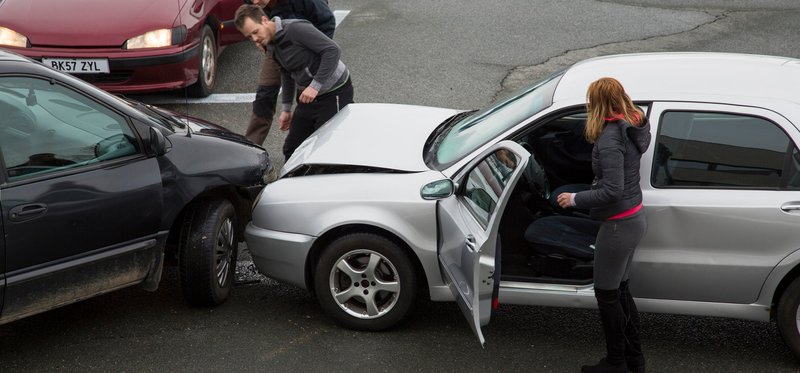
Whether you're involved in a fender bender or a serious auto accident, you'll want to know two things: What you should do, and what you absolutely should not do. This list is all about the latter.

The aftermath of a car crash is all about being prepared. Here are seven things you should never do if you're involved in an accident.

1. Leave the scene

Leaving the scene of an accident is a crime in many states. If you're not hurt and it feels safe to get out of the car, walk around, assess the situation -- but don't leave.

Or, if you feel unsafe, you can wait in your vehicle until help arrives. No matter what, though, don't drive away until the police have arrived and filed a report. 

Want to cut down on car insurance costs today? See our list of the best auto insurance companies to potentially save hundreds a year.

2. Lose your cool

Even if the other driver was clearly at fault, don't let your emotions spill over into a shouting match (or worse).

The most important thing is your safety and physical health -- and arguing with strangers probably won't help with that.

3. Admit fault

When the police or an insurance adjuster asks about the accident, be honest, but avoid taking the blame. Don't say, "It was my fault."

Also, avoid talking to the other driver about who was at fault or how the accident occurred. Lawyers recommend that you don't even apologize, as an apology can be construed as an admission of guilt. 

You should speak with your insurance company on the day of the accident and will likely hear from the other party's insurer within a day or two. Those conversations are recorded. Once they have you on record taking the blame (full or partial), the words can be used against you. Let others determine who was at fault after the fact.

Want to cut down on car insurance costs today? See our list of the best auto insurance companies to potentially save hundreds a year.

4. Forget to exchange information with the other driver

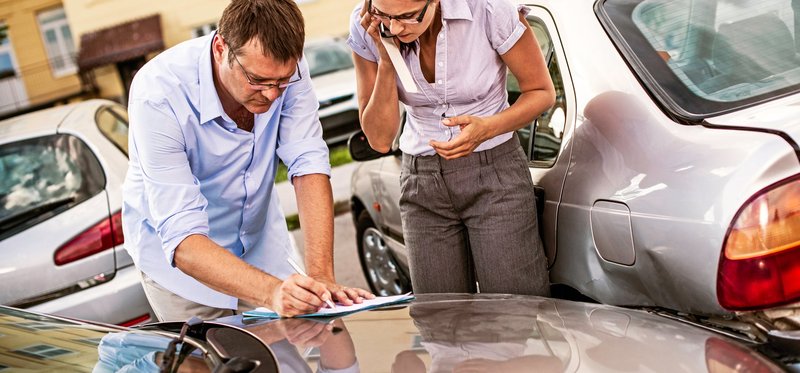
Even if the other driver tries to brush you off, you'll want to get their name, the name of their auto insurance company, and their policy number. Also ask for info like their driver's license number, cell phone number, address, and license plate number. 

If there are any witnesses, you might want to exchange info with them too. Not only will your insurer want to speak with them, but they can back your claim if the other driver does anything wrong or unusual. 

The reasons you need to exchange information are simple: To file an insurance claim and to seek compensation if the other driver is at fault. 

5. Agree not to call 911

If the other driver is uninsured or driving on an expired license, they may try to talk you into “leaving the police out of it.” Never agree to this. If there's any chance you're going to file an auto insurance claim, you're going to need the police report number.

Plus, if the other driver is at fault and later refuses to admit it, you'll have the report to back up your story. 

Also, this part should go without saying: If you or someone else were injured in the accident, you should call 911 immediately. 

6. Fail to document the accident

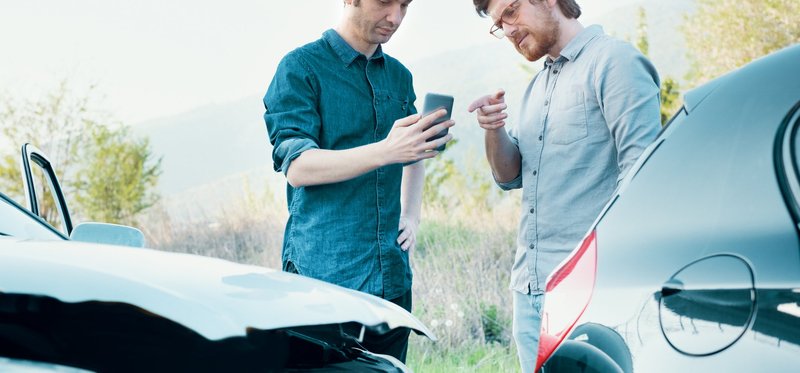
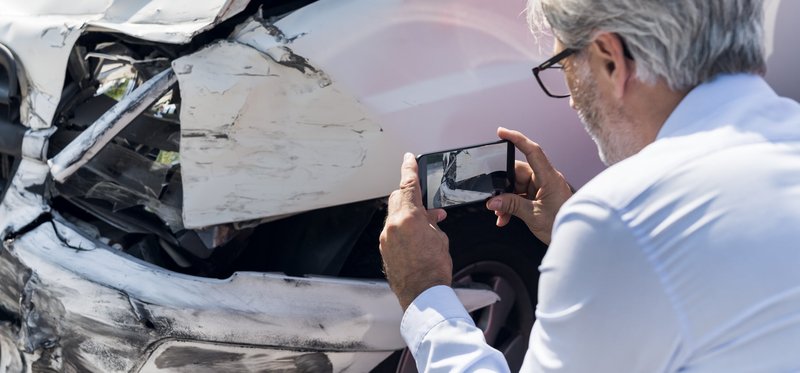
Once you've ensured everyone in the car is all right, pull out your phone and take pictures. Get plenty of shots of vehicle damage and any injuries. The more photos you take, the better. Here are a few more images that could come in handy later:

  • The scene of the accident
  • The other driver's vehicle
  • Road conditions
  • Position of both vehicles
  • Skid marks
  • If your hazard lights were on at the time of the accident

Also, note the date, time of day, and where the accident occurred. 

7. Underestimate how badly you're hurt

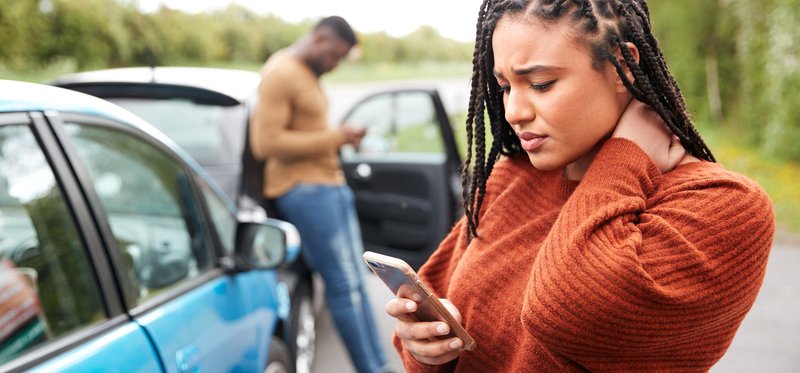
The adrenaline immediately after an accident can detract from serious injuries. If you have reason to believe you're hurt -- even a little bit -- get checked out by a doctor as soon as possible.

The effects of a crash can linger long after the incident, especially if they're not treated carefully. Like most things in a serious accident, safe is much, much better than sorry here.

Follow Motley Fool Money!

Be sure to follow Motley Fool Money to never miss a post!

Our Research Expert