Real estate has always been an important part of most people's investment portfolios. Much, if not all, of that real estate has been "real." Today's real estate investor, however, may also be considering something a little less touchable -- virtual land. Building a virtual real estate portfolio could be the next big thing for investors who aren't afraid to take a chance on new technology.
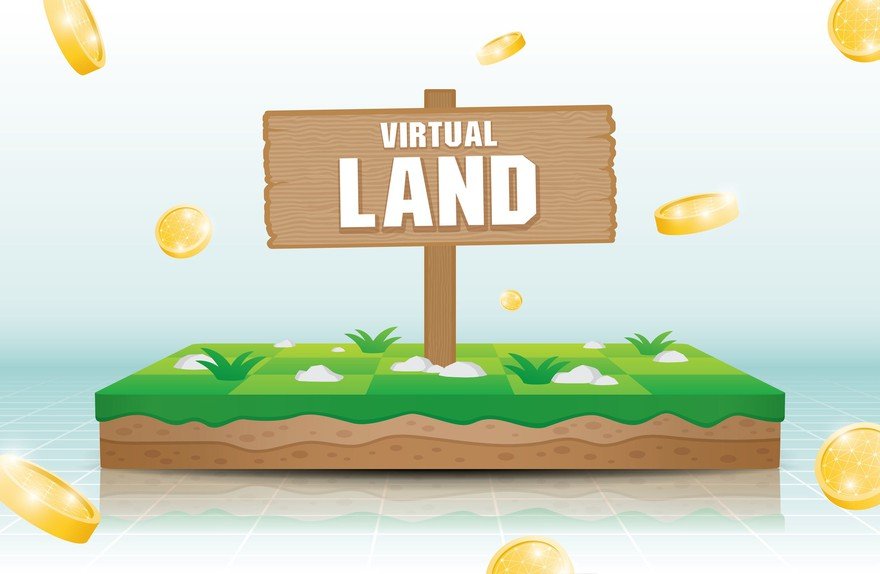
Virtual real estate is unique land that has a deed and exists in a digital world. You can think of this world like a video game, but with more social and community components. Land in the metaverse, the collection of virtual worlds where buying virtual land is possible, can be as valuable as a piece of land in the real world, and has even attracted the attention of celebrities like Snoop Dogg and businesses like PricewaterhouseCoopers.
Why would you buy metaverse real estate?
Interest in augmented reality, virtual reality, and metaverse real estate really spiked after social media giant Facebook (META 0.28%) changed its name to Meta and announced its intention to invest in this virtual reality space. Even so, plots of land in the virtual real estate market may seem like odd investments. The truth is that they're very similar to real-world real estate in many ways.
Two factors make them very interesting to investors.
First, virtual property is in limited supply, just like in the real world. Owning virtual real estate means you own a unique parcel of land in a world in the metaverse, and you can do things with it, including creating income-generating properties like leasable buildings or interactive venues that charge admission or promote a brand.
Secondly, each parcel of metaverse real estate is wholly unique, secured by a non-fungible token (NFT). An NFT is basically a deed or proof of ownership for something digital (or real) that is able to be identified in a wholly unique way. Your virtual real estate NFT guarantees your ownership and allows you to resell the property to another owner. It also records all the transactions for that property automatically, eliminating the need for title work. It is basically a 21st-century digital deed.
How do you buy and sell virtual land?
It's not difficult to buy and sell digital assets in the metaverse. Most metaverse platforms can be accessed easily with a desktop computer, making it very simple to inspect virtual real estate before you make a purchase decision.
Once you've chosen a piece of virtual real estate, you can research it on one of many third-party reseller platforms, like OpenSea.io or NonFungible.com. These sites can show you sales history, if any exists, and allow you to do the same for nearby properties that might serve as decent comparables.
You'll need to open a digital wallet that can hold your digital assets, including the cryptocurrency you'll be using to make your purchase. The wallet you choose will depend on the metaverse platform you're using. Each site will explain which are preferred and how to link them.
Related investing topics
You must also purchase the amount of cryptocurrency you'll need for the real estate transaction. For example, if you're buying in Decentraland, you'll need to purchase MANA coins. If you're buying in The Sandbox, you'll want to stock up on SAND. These can all be purchased on open cryptocurrency exchanges using your local currency or other cryptocurrencies.
Unlike a real-world real estate transaction, the purchase itself is almost anti-climactic. Once you have your digital money in your digital wallet, you simply go to the platform's marketplace or a third-party site and click the button to buy. It takes a few seconds for the platform to verify the transaction, which includes checking that your wallet contains enough currency and that the property can be conveyed to you legally.
With those checks complete, the money comes out of your wallet and an NFT representing your purchase goes into it. An anonymous identifier that is connected to your wallet and belongs to you alone is recorded as the new owner of the property.
It works essentially the opposite way to sell a virtual property. You'll list your property for sale, and someone else will do the clicking and go through verification before their crypto is traded for an NFT, and your wallet will trade one NFT for a pile of crypto -- at a profit, with any luck!