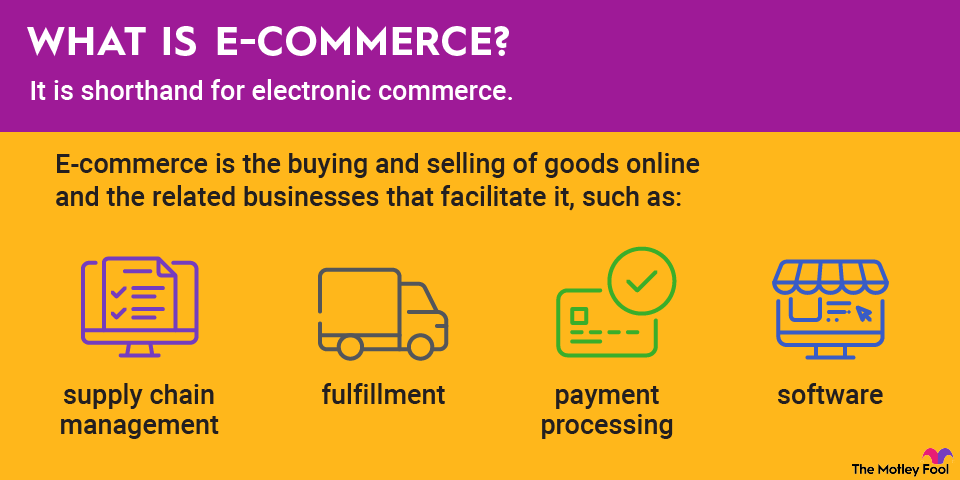
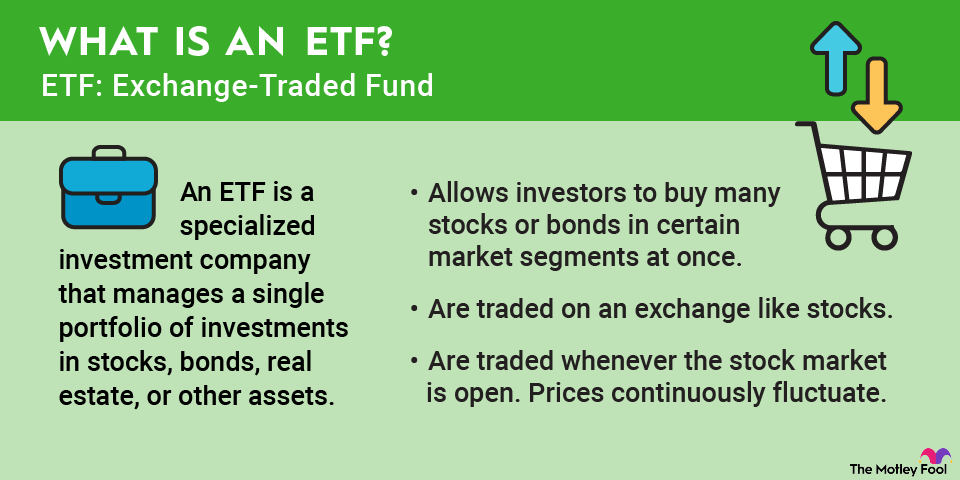
Loading paragraph...
Loading image...
Loading paragraph...
Loading paragraph...
Loading paragraph...
Loading definition...
Loading paragraph...
Loading hub_pages...
Loading paragraph...
Loading paragraph...
Loading faq...
About the Author

Anders Bylund is a contributing Motley Fool media and technology analyst covering semiconductors, cloud computing, internet infrastructure, quantum computing, and streaming media. Previously, Anders was a systems administrator for Nielsen Technology and CSX, gaining hands-on experience with enterprise-class systems. He was also a freelance writer for Ars Technica, TIME, USA Today, CNN, WIRED, and AOL's Daily Finance. He holds a bachelor’s degree in English and a master’s degree in library and information sciences from Florida State University. He believes in coyotes and time as an abstract.
Charles Schwab is an advertising partner of Motley Fool Money. Anders Bylund has positions in Vanguard S&P 500 ETF. The Motley Fool has positions in and recommends Berkshire Hathaway and Vanguard S&P 500 ETF. The Motley Fool recommends Charles Schwab and recommends the following options: short June 2025 $85 calls on Charles Schwab. The Motley Fool has a disclosure policy.