During the three-month period that ended June 30, Berkshire Hathaway (BRKA -0.01%) (BRKB -0.13%) was a net buyer of stocks. It spent $20 billion on equity purchases, most notably adding to its stake in Alphabet, a business that is now the company's third-largest position.
This is a reversal from a multi-year streak of the conglomerate being a net seller of stocks, a trend that started in the fourth quarter of 2022. Unsurprisingly, it looks like Berkshire Hathaway is dealing with the limited opportunity set in today's market environment. It currently has a massive cash hoard of $359 billion, significant funds that would ideally be allocated to higher-return assets.
Warren Buffett's successor, Greg Abel, might want to consider this large-cap value stock. It trades 46% off its peak (as of Aug. 28), and it possesses some favorable characteristics. But will Berkshire Hathaway end up buying shares in September?
Image source: The Motley Fool.
Focus on the positive attributes
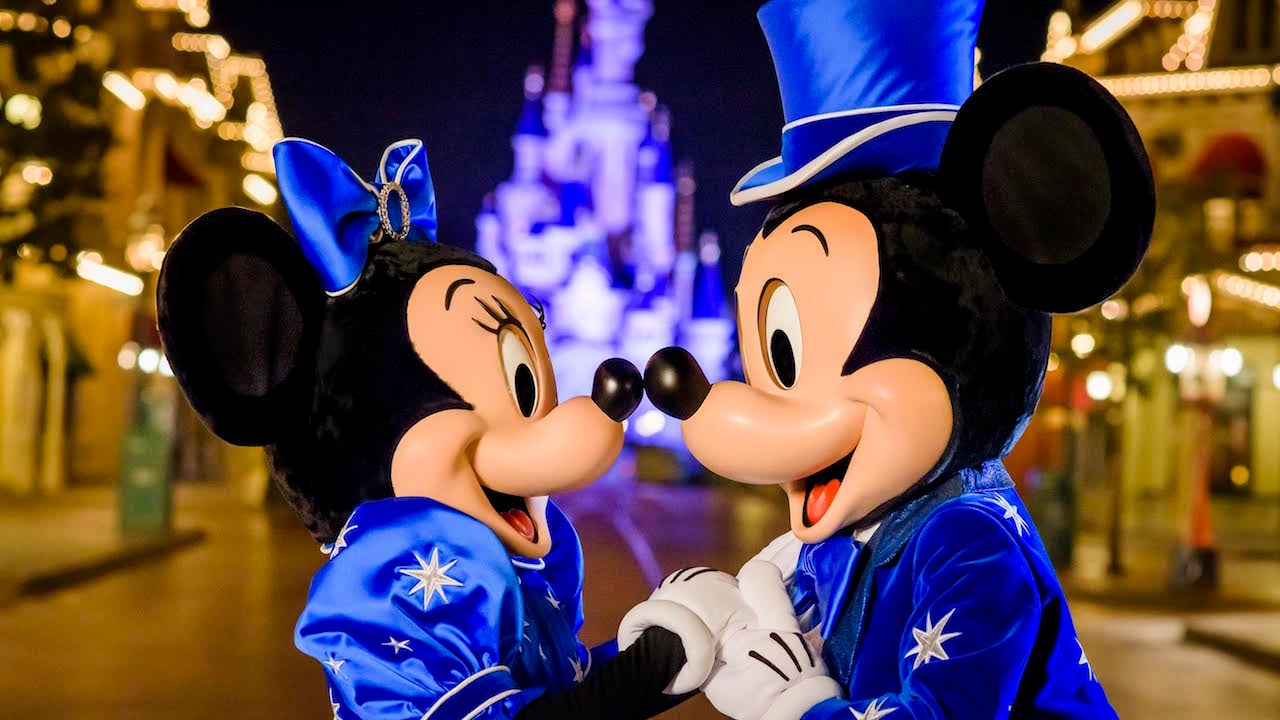
Buffett and Abel should take a look at allocating some of that $359 billion cash pile to Walt Disney (DIS +1.55%). In the late 1990s, the Oracle of Omaha was a shareholder of the entertainment leader, but this position was the result of his holding being acquired by the House of Mouse. Berkshire Hathaway sold its stake after a few years.
The valuation is too hard to ignore. Disney shares currently trade at a forward price-to-earnings (P/E) ratio of 14.3. With the overall S&P 500 index trading at a forward P/E multiple of 21, it can certainly be challenging to find value opportunities like this. Disney could be a solid value play that at least satisfies the rule of not overpaying for stocks.
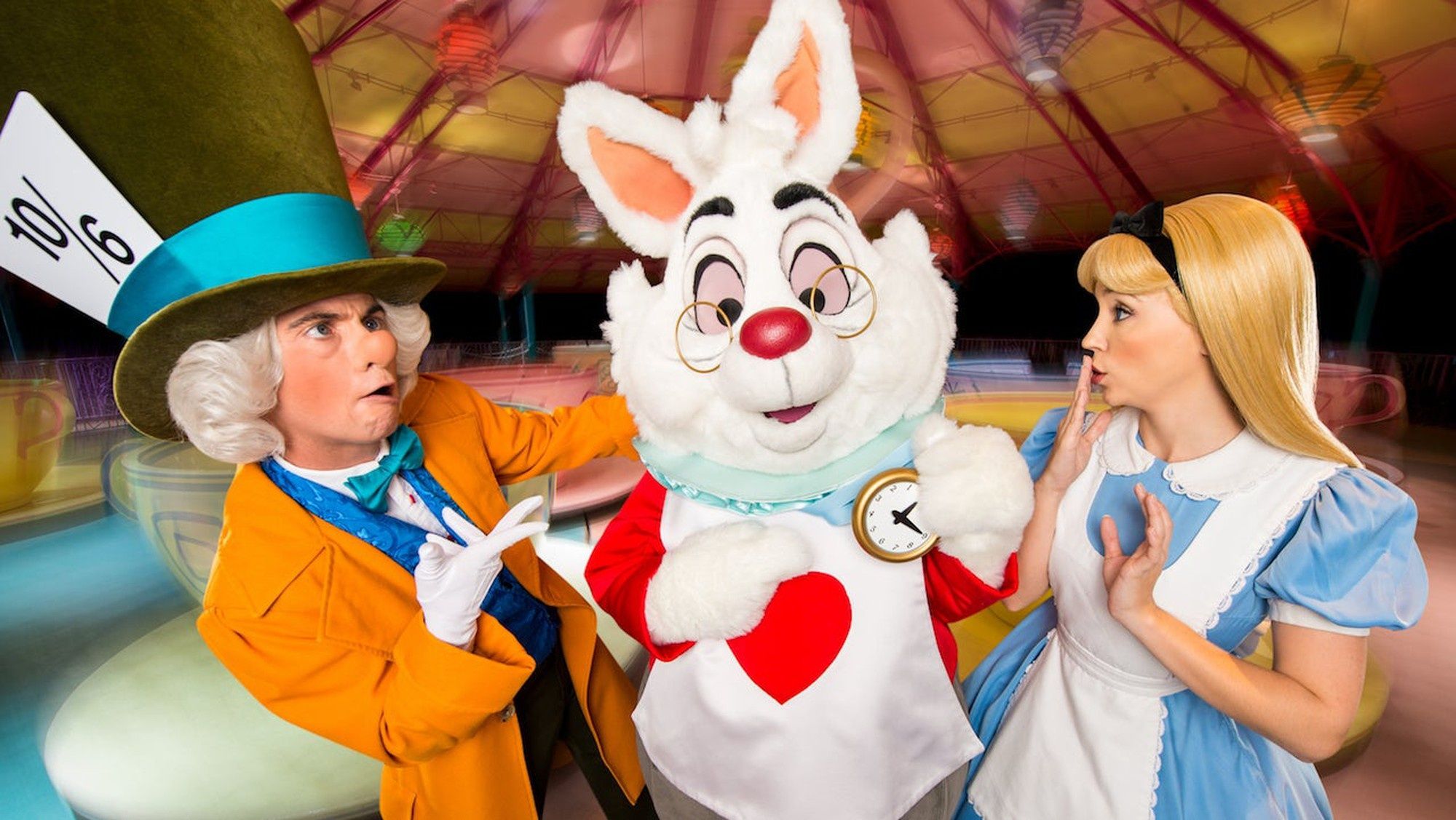
This business has developed a wide economic moat. Its intellectual property (IP), consisting of its characters, storylines, franchises, and studios, is impossible for a rival to replicate. It doesn't matter how much money a competitor has. Peers can't recreate Disney's IP.
Before buying a stock, Buffett's philosophy (and likely Abel's, too) tells him that he should have confidence that the company's profit will be higher in the future. Disney checks the box. Its adjusted earnings per share climbed 19% in fiscal 2025 compared to the year before. Management expects this figure to rise by double digits in fiscal 2026. The sell-side analyst community thinks more growth is in store going forward.
DIS Walt Disney
NYSE · As of 4:00 PM ET 10/15/26

Shares have been cheap for a while
Disney's valuation, moat, and profit growth should pique Abel's interest. However, the stock has been cheap for a while now, and the conglomerate has been sitting on a massive cash balance for years. There's no indication that Berkshire Hathaway will decide to buy shares in September.
In fact, I'd be surprised if Walt Disney finds its way into Berkshire Hathaway's portfolio anytime soon. Buffett and Abel are undoubtedly familiar with the business, but they might be hung up on two key risk factors.
The first deals with the declining legacy operations. Disney still has a huge presence in the traditional linear-TV market, most notably with its ABC and ESPN networks. The streaming entertainment secular trend has resulted in subscriber losses and falling advertising revenue in this segment. Abel likely wants to avoid this, as it's hard to forecast the speed and magnitude of the financial deterioration.
As it relates to the streaming industry, this company has a strong market position with its Disney+ and Hulu platforms. Combined, they had more than 190 million subscribers as of September last year. This segment is profitable, as it has established a scale that allows it to more than offset meaningful content costs.
However, competition is ferocious. Even Netflix, the industry's dominant force, is seeing growth decelerate. Disney could be in Abel's "too hard" pile, as it's not easy to predict how the streaming landscape will evolve in the next five to 10 years.