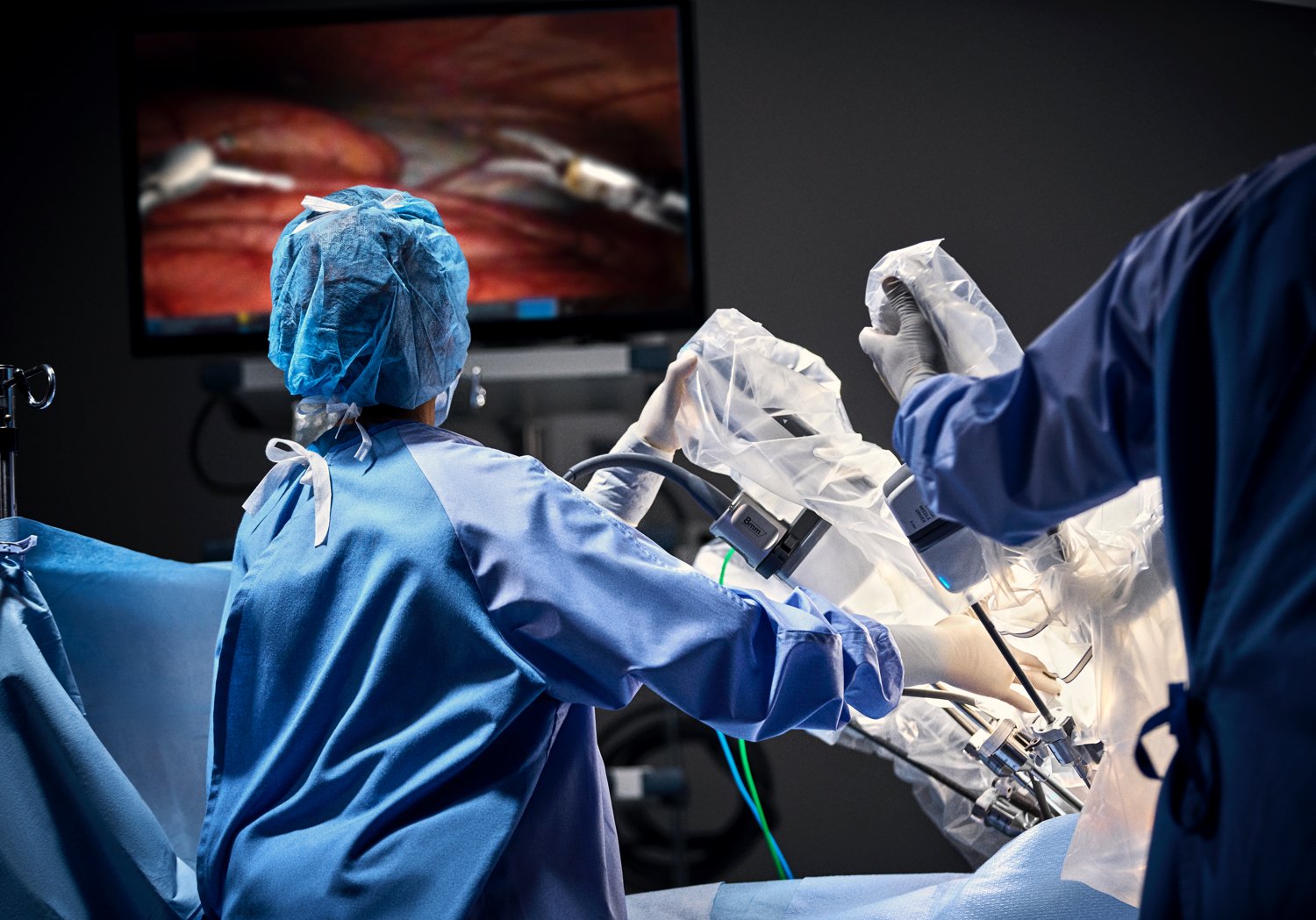
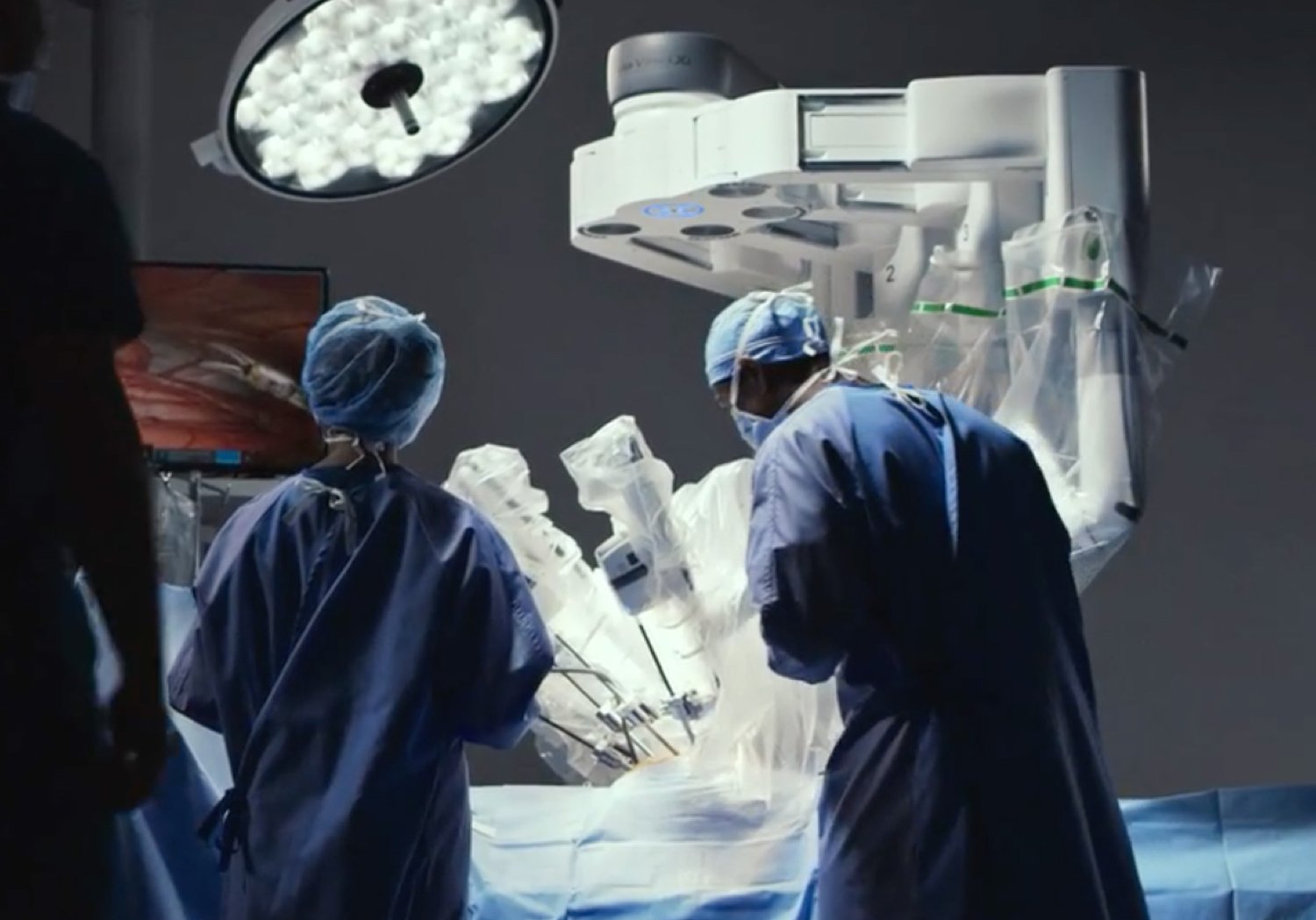
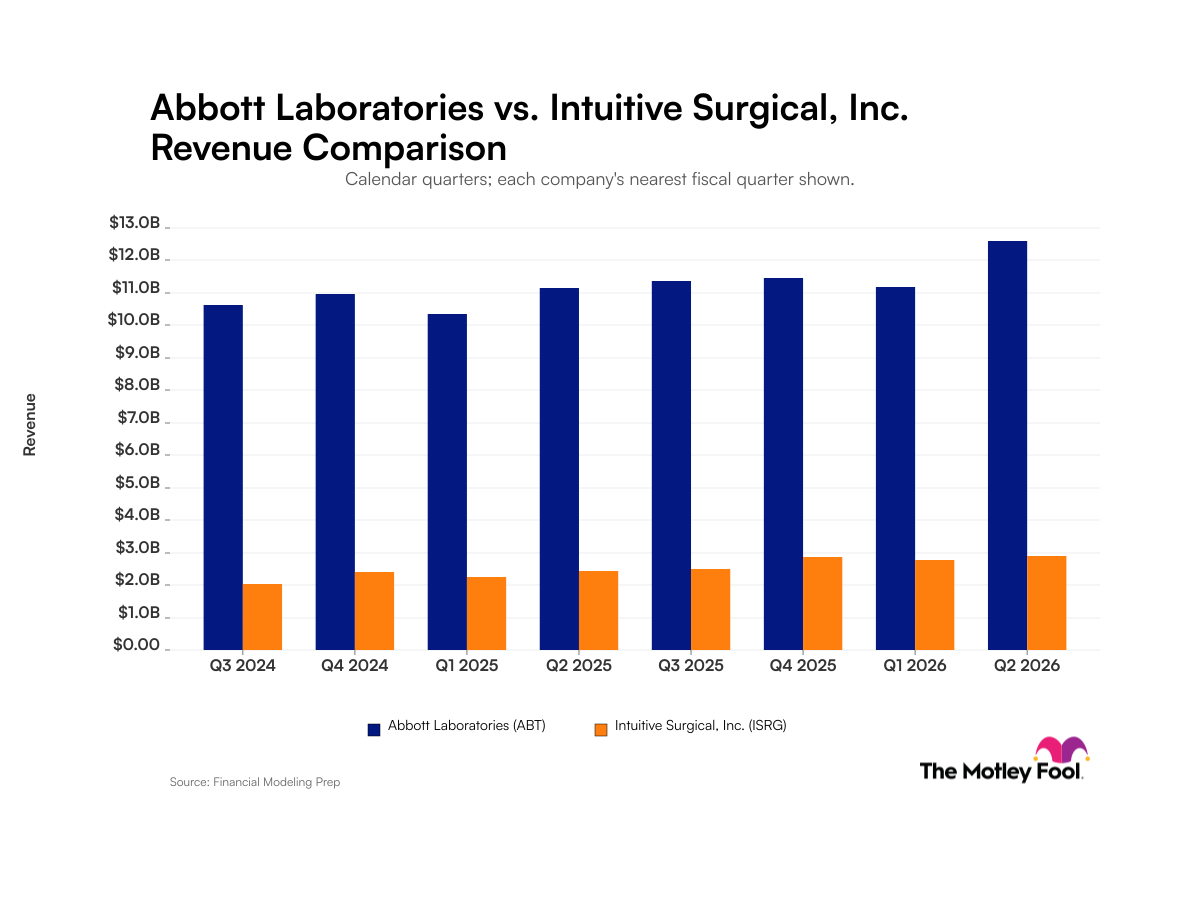
A 28% drop in Intuitive Surgical (ISRG -2.31%) stock this year has left investors anxious, but an analyst from Goldman Sachs argues the panic regarding the medical device maker is rooted in a misunderstanding of two major changes to Intuitive's instrument lifetimes.
Several analysts downgraded their positions in Intuitive after its first-quarter earnings, including those with Deutsche Bank, Bank of America, JPMorgan Chase, and HSBC. David Roman of Goldman Sachs, on the other hand, upped the stock's price target to $558.
Here is what changed, why the market reacted defensively, and what matters next.
Image source: Getty Images.
The instrument changes: What they mean
Intuitive recently adjusted the number of times that hospitals can reuse its surgical tools. While investors feared this would kill recurring revenue, the reality is more nuanced.
In the first change, Intuitive increased the lifespan of five out of its six force-feedback tools (which allow surgeons to feel the push and pull used on tissues during surgery) from six uses to 15 uses. This change has zero impact on revenue per procedure. It was simply done to ease supply chain bottlenecks, allowing more hospitals to adopt these high-demand healthcare tools. In addition, the company sees the move as likely to increase adoption of force-feedback instrumentation.
The second change could have a small impact on revenue, as Intuitive plans to increase the maximum number of uses of older, standard instruments to lower hospitals' costs. This change will chip away at instruments and accessories revenue, the money that Intuitive collects each time a tool is used, but it also builds customer loyalty. In the first quarter, the segment grew 23% year over year to $1.69 billion.
Overall revenue also grew by 23%, to $2.77 billion, while earnings per share were $2.28, up 18.7% over the same period last year.

NASDAQ: ISRG
Key Data Points
Why Goldman thinks investors are needlessly panicking
Some investors viewed these extensions as a panicked defensive swipe meant to undercut companies such as Restore Robotics that refurbish and resell used da Vinci parts. However, it's an established pattern, not a panic move. Intuitive started extending instrument life cycles well before third-party refurbishers were ever a market factor. Past data shows resilience.
When Intuitive launched its Extended Use Program in 2020, bumping tool lifespans from 10 uses to 12 to 18 uses, it modeled a 7% drop in revenue per procedure. The actual hit was just 2% before bouncing back to revenue growth.
Goldman expects history to repeat itself. Premium, higher-priced force-feedback tools and other advanced instruments will likely offset the lower margins of the cheaper, older core tools. As a result, the bank is maintaining its target, modeling a negligible 1% annual decline in U.S. revenue per procedure.
Key factors for investors to watch
Intuitive's underlying business remains robust. Its instruments performed 847,000 procedures, a 16% year-over-year increase in the first quarter. Its da Vinci surgical system installed base grew 12% over the same period a year ago to 11,395 systems, and its Ion endoluminal systems installed base rose 22% year over year to 1,041 systems. The Ion endoluminal system is a robotic bronchoscopy platform that enables surgeons to navigate more precisely into the lungs for diagnostic and therapeutic procedures.
There are legitimate concerns about the stock. It commands a premium valuation of more than 49 times trailing earnings, leaving very little room for error. To hit Goldman's targets, the company will need to better explain the logistics of the 2027 instrument changes, calming the market's biggest worry. The company is also facing rising competition from the Hugo system from Medtronic and the Ottava robot from Johnson & Johnson.
Goldman's outlook suggests that patience will be rewarded over panic. However, the upcoming July earnings report remains the ultimate test of whether investor fears are justified.