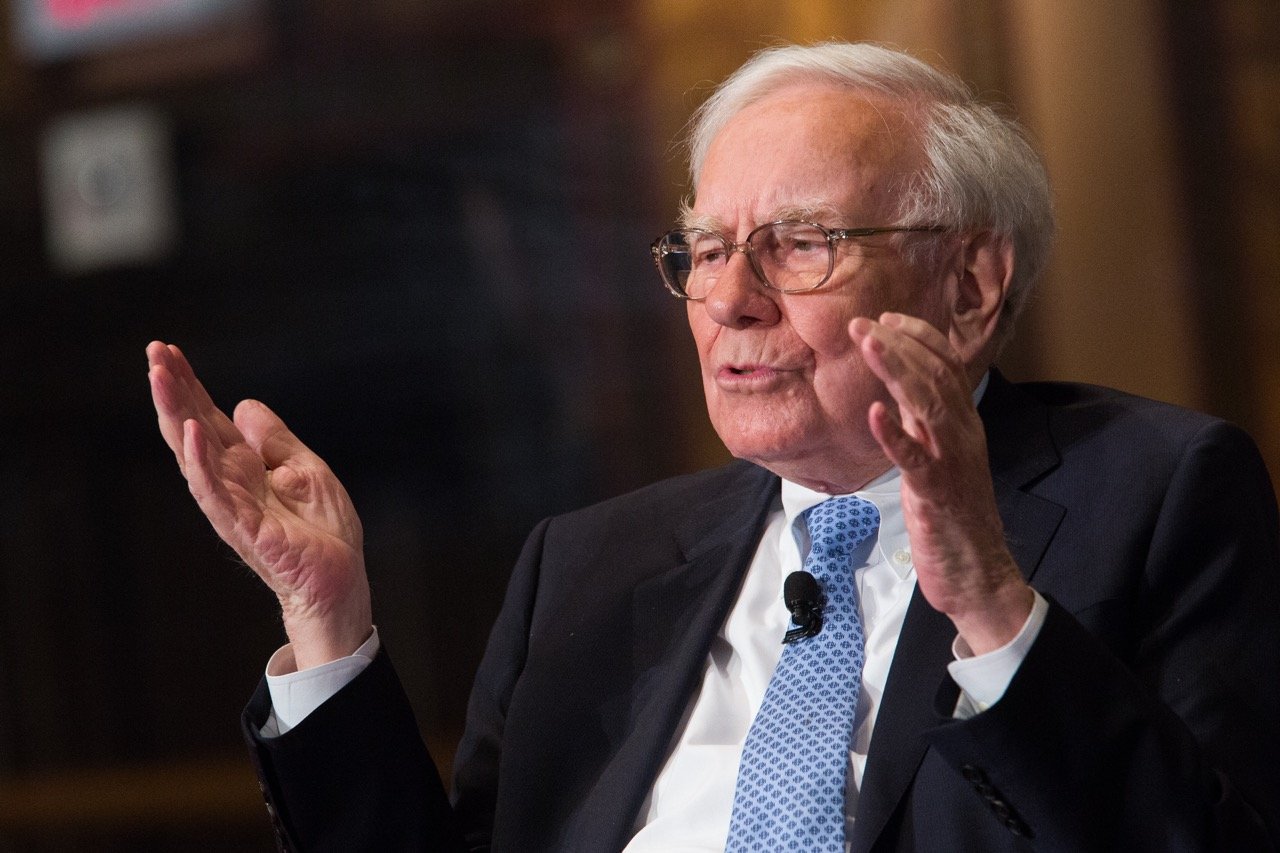
Warren Buffett built Berkshire Hathaway (BRKB +0.38%) by avoiding things he did not understand, and for the most part, that has kept the company on the sidelines of the AI stock frenzy.
Yet Berkshire may have more AI exposure than it appears, and it comes from an unlikely place: not a chipmaker, but one of its wholly owned subsidiaries, Berkshire Hathaway Energy. This sprawling collection of regulated utilities is quietly turning into a backdoor winner of the artificial intelligence boom.

Image source: Getty Images.
How a utility becomes an AI winner
The connection is simple once you see it. AI data centers are astonishingly hungry for electricity, and someone has to generate and deliver that power. Berkshire Hathaway Energy owns utilities across the country, including MidAmerican in Iowa, NV Energy in Nevada, and PacifiCorp in the West, and they are watching demand surge.
In Iowa, a cluster of mega data centers now accounts for roughly 8% of peak electricity load, and management expects data center consumption to keep climbing for years.
Here is why that matters for profits. Regulated utilities make money in two reinforcing ways. They sell more electricity as demand rises, and, more importantly, they earn a regulated return on the capital they invest to serve that demand. Berkshire Hathaway Energy is in the middle of a roughly $34 billion capital plan to build out generation, storage, and transmission, and every dollar of approved investment becomes a base on which it earns steady profits for decades.
Berkshire's own CEO, Greg Abel, who ran this business, told shareholders that about half of its energy operations are now addressing AI-related power needs. That is a striking statement for a company usually associated with power lines and pipelines, not silicon.

NYSE: BRKB
Key Data Points
Some things to consider
I would keep expectations measured. Utilities grow slowly and swallow enormous amounts of capital, and their returns depend on regulators approving rate increases, which is never guaranteed. Berkshire Hathaway Energy also carries real liabilities, including wildfire exposure at PacifiCorp that has cost it dearly. And because Berkshire is so vast, even a thriving energy unit will not move the overall stock the way a hot chip stock might. This is a slow, steady contributor, not a moonshot.
The lesson here is that AI's beneficiaries extend far beyond the obvious names. Berkshire may have barely touched AI stocks, but through Berkshire Hathaway Energy it owns a genuine stake in the electricity boom powering the entire movement. For shareholders, it is a reminder that Berkshire's famous caution does not mean missing the trend entirely. Sometimes the smartest AI exposure is not in the chips at all, but in the unglamorous business of keeping them running.