After well over half a century at the helm, Warren Buffett retired as Berkshire Hathaway's (BRKA +0.40%)(BRKB +0.38%) CEO on Dec. 31. This effectively turned the keys to Berkshire's vast investment portfolio over to his protégé, Greg Abel, who has wasted little time overhauling this greater than $350 billion portfolio.
During the first quarter, Abel exited 16 positions and reduced six others while piling into Google's parent, Alphabet (GOOGL +0.30%)(GOOG +0.32%). Abel spent another $17 billion purchasing Alphabet's stock in the second quarter.
But what if I told you that this wasn't the biggest transformation that Abel has overseen? A separate investment focus, totaling almost $43 billion, is completely transforming Berkshire Hathaway.
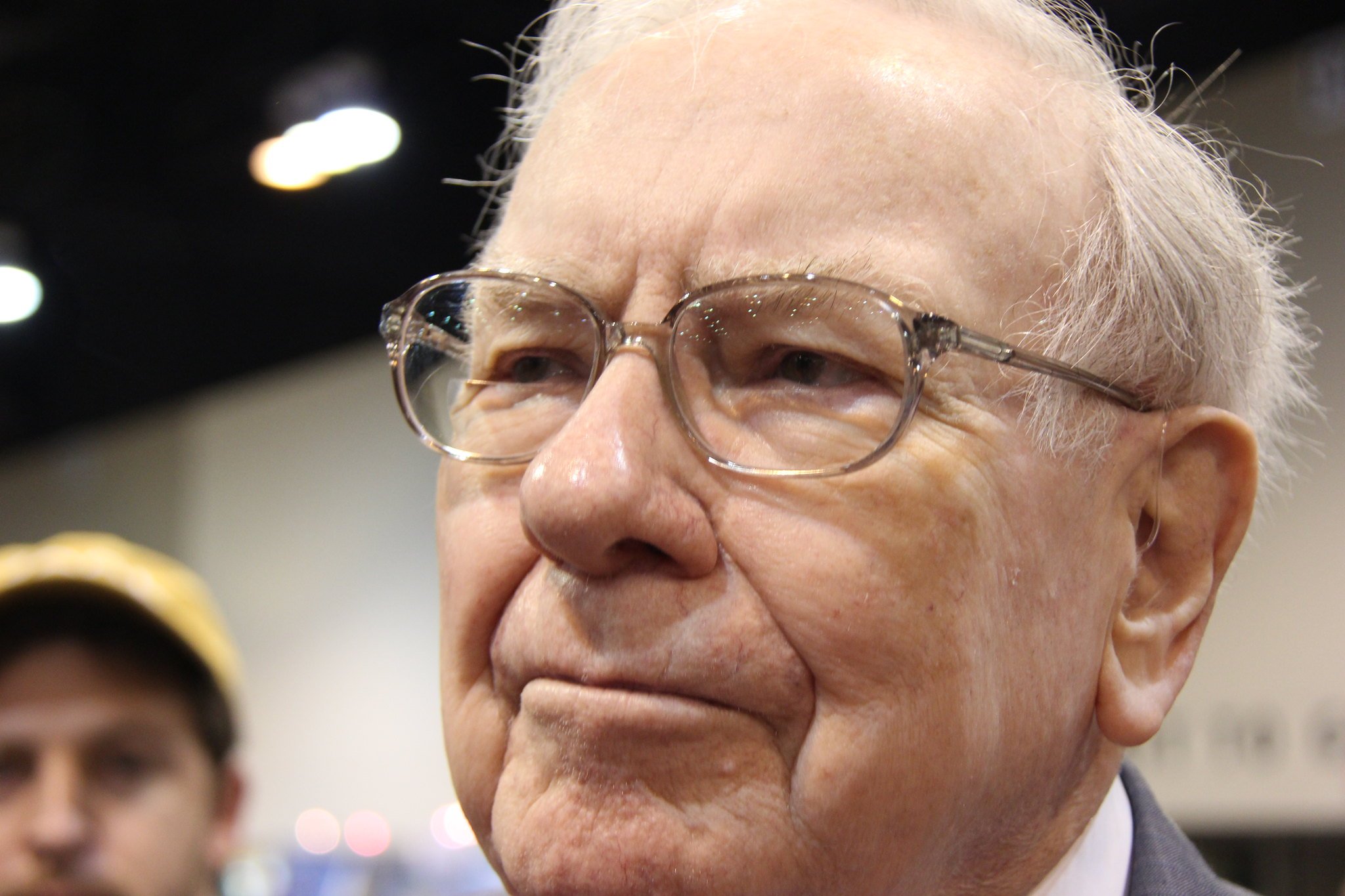
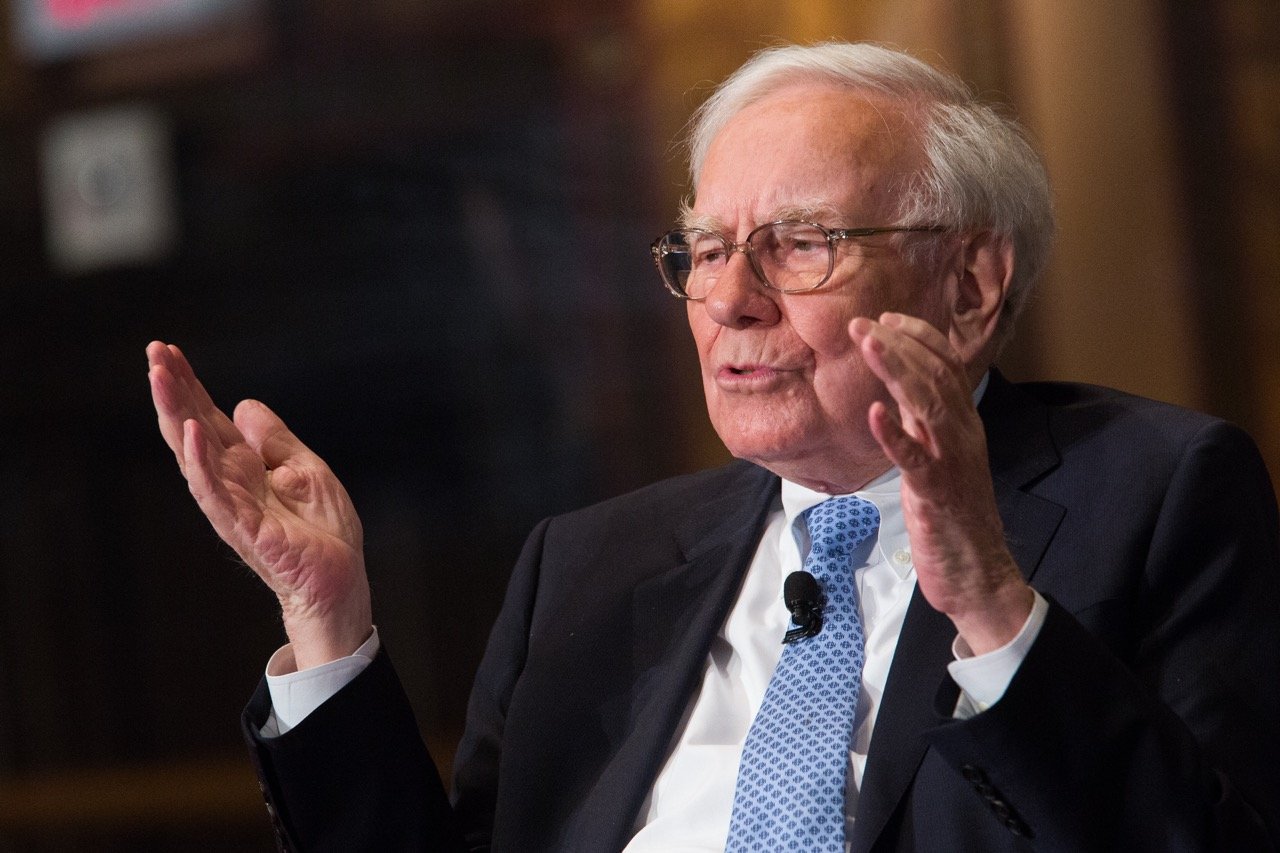
Warren Buffett retired as Berkshire Hathaway's CEO on Dec. 31. Image source: The Motley Fool.
Berkshire's new boss is betting big on Japan
Beginning in the summer of 2019, Berkshire began taking positions in Japan's sogo shosha -- i.e., its five trading houses. The sogo shosha, comprised of Mitsubishi (MTSUY -0.17%), Mitsui (MITSY +0.26%), Itochu (ITOCY -0.66%), Sumitomo (SSUMY -0.37%), and Marubeni (MARUY +0.10%), are conglomerates that have their proverbial fingers in most sectors and industries in Japan.
Although these positions were initiated with Warren Buffett as CEO, Greg Abel has played an instrumental role in facilitating ongoing investments in the sogo shosha. Including the roughly 2.5% stake Abel took in property and casualty insurer Tokio Marine (TKOMY -0.88%) in March 2026, approximately $42.7 billion of Berkshire's invested assets are tied to Japanese stocks.
Pivoting to Japan makes perfect sense, given that Abel and his predecessor are both unwavering in their desire to get a good deal. Throughout most of the decade, the stock market has been historically pricey. Last week, the market-cap-to-GDP ratio, more commonly known as the Buffett indicator, hit an all-time high, signaling just how expensive stocks are relative to U.S. gross domestic product (GDP).
Stock Market reaches most expensive valuation in history after the Warren Buffett Indicator hits 239%, surpassing the Dot Com Bubble, the Global Financial Crisis, and the 2022 Bear Market 🤯 👀 pic.twitter.com/K5LBAN6S2Q
-- Barchart (@Barchart) August 15, 2026
Valuations for Japanese stocks have been considerably more palatable for the value-focused Abel. Although Berkshire's bosses have been net sellers of stocks in 14 of the 15 quarters, the sogo shosha have been among the rare exceptions.
Additionally, corporate governance in Japan differs somewhat from executive oversight in the United States. In the U.S., it's not uncommon for high-ranking executives to take home sizable compensation packages. Meanwhile, in Japan, executive compensation tends to be more subdued.
Furthermore, the sogo shosha and Tokio Marine all have robust capital-return programs in place. Abel and the Oracle of Omaha are big fans of companies that reward long-term investing through recurring dividends and/or share repurchases.
While Wall Street is focused on Abel piling into Alphabet and seemingly making a massive wager on an artificial intelligence-driven future, the real transformation has been underway for seven years and counting. Abel has been steering the ship toward attractively priced industry leaders overseas, with a penchant for putting shareholders first.