The Iran war has been going on for six months, with seemingly no end in sight. In the best-case scenario, the situation turns into a stalemate. Worst case, tensions and conflict escalate. Either way, it's not looking good for the Strait of Hormuz fully opening to shipping traffic.
With this, crude oil prices appear primed to remain elevated, which means jet fuel prices will remain high. Is this a sign to get out of airline stocks? Not necessarily. In large part, an industry trend has indirectly helped to lessen the impact of this major headwind.
Image source: Getty Images.
Rising jet fuel prices lead to differing outcomes for the airlines
When the conflict started, shares in major and low-cost airlines alike experienced a sharp pullback. That's unsurprising, as soaring jet fuel prices typically reduce airlines' profitability, even when they raise ticket prices in response. Worse yet, the conflict served as the final nail in the coffin for one particular low-cost airline.
On May 2, already-bankrupt Spirit Airlines completely suspended operations. Yet while some airlines have struggled with this headwind, for many other carriers, both low-cost and legacy, it's become a manageable issue.
Premiumization proves key to legacy carrier resilience
For low-cost carrier Allegiant (ALGT -3.03%), strategies like reducing off-peak flying, in tandem with higher ticket prices, have helped mitigate rising fuel costs. However, even after bouncing back during the summer, shares in this particular low-cost carrier have coughed back these gains.
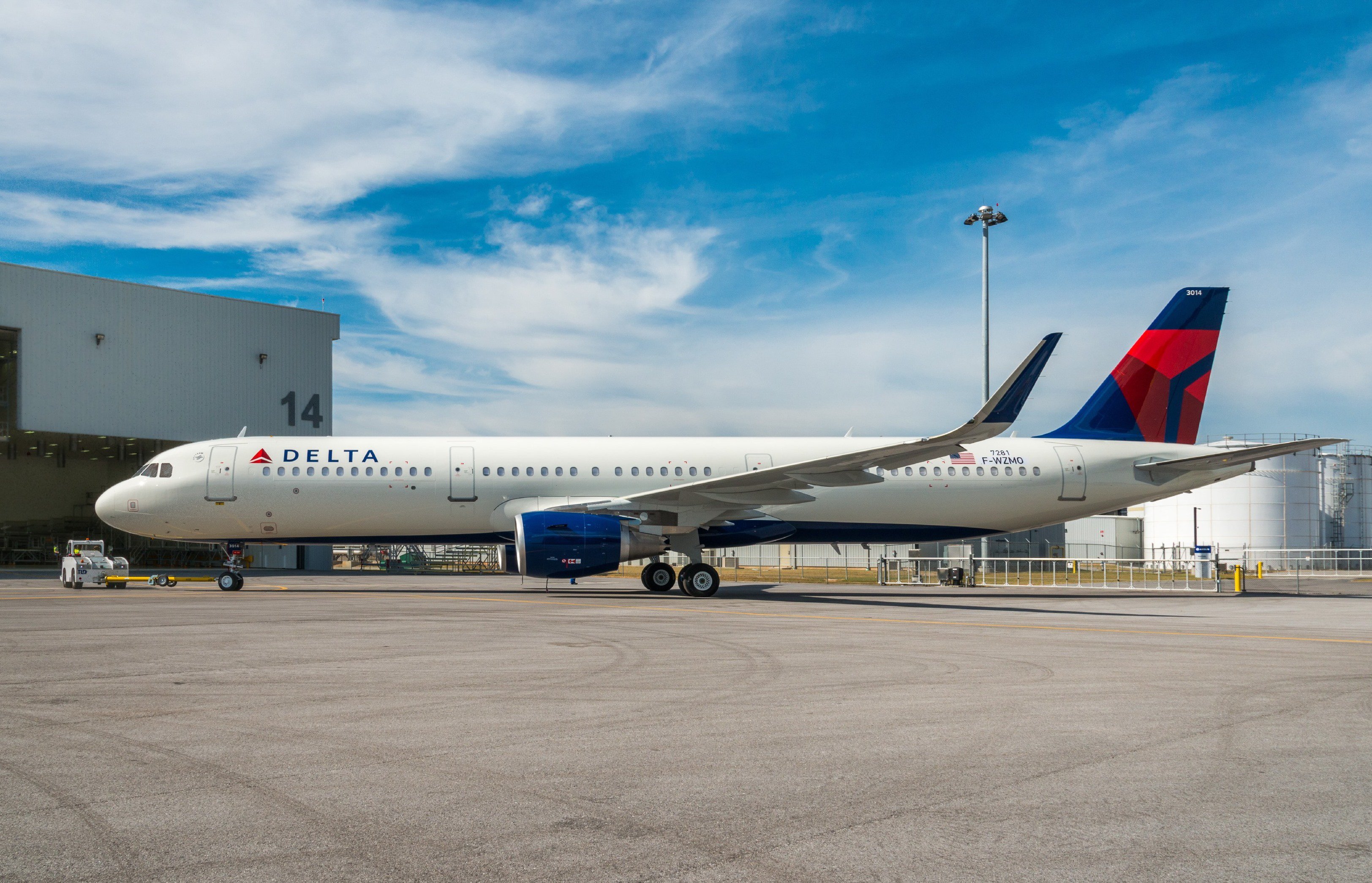
In contrast, shares of United Airlines Holdings (UAL -1.16%) and Delta Air Lines (DAL -0.67%) have bounced back, with Delta trading above pre-war price levels. Why? These carriers have both raised prices to offset high fuel costs and have leaned into "premiumization," or a greater focus on affluent travelers, resulting in increased demand for premium tickets, making up for weakening demand from economy-tier passengers.

NYSE: DAL
Key Data Points
While the ongoing conflict could mean further uncertainty for low-cost carriers and for legacy carriers benefiting less from premiumization, like American Airlines, barring major changes to their respective financial performances, I wouldn't view the Iran war as a reason to sell United or Delta shares.