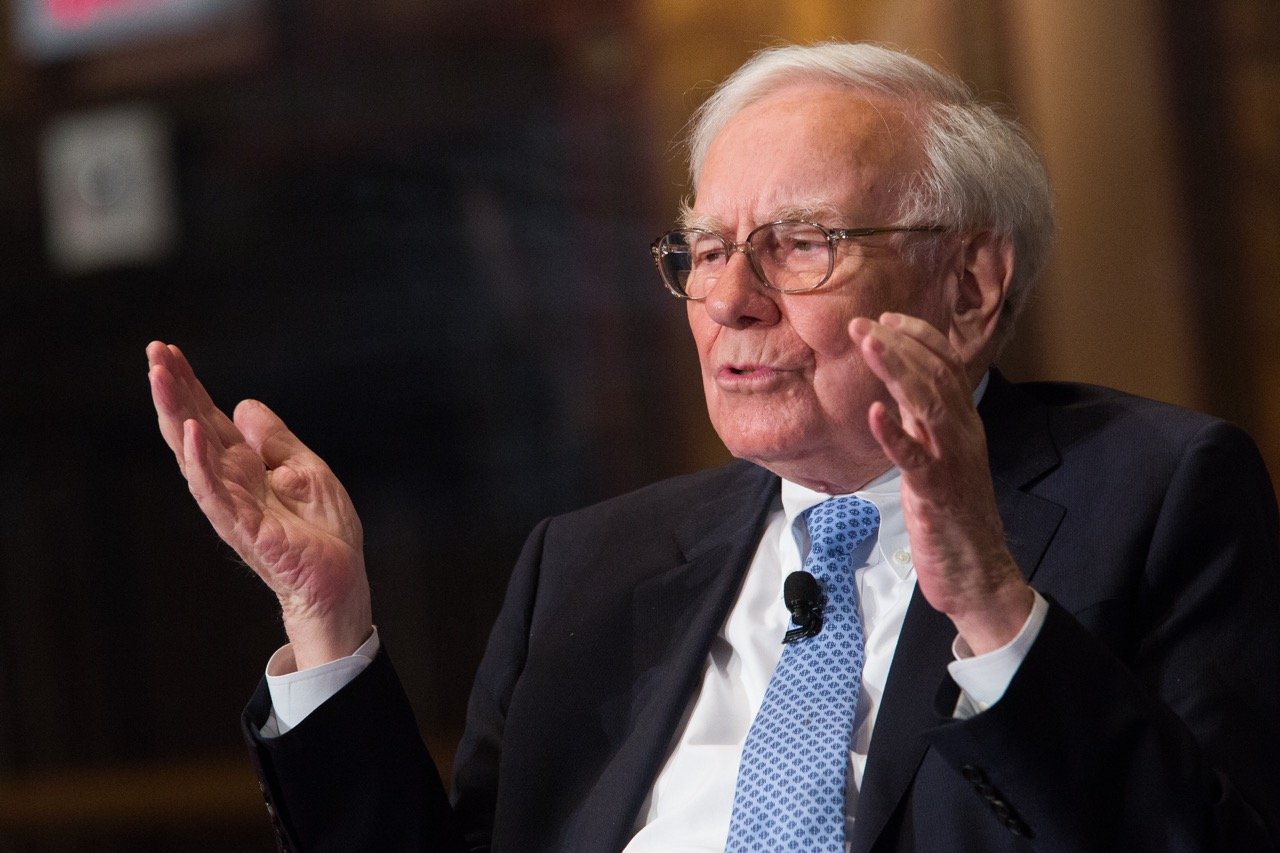
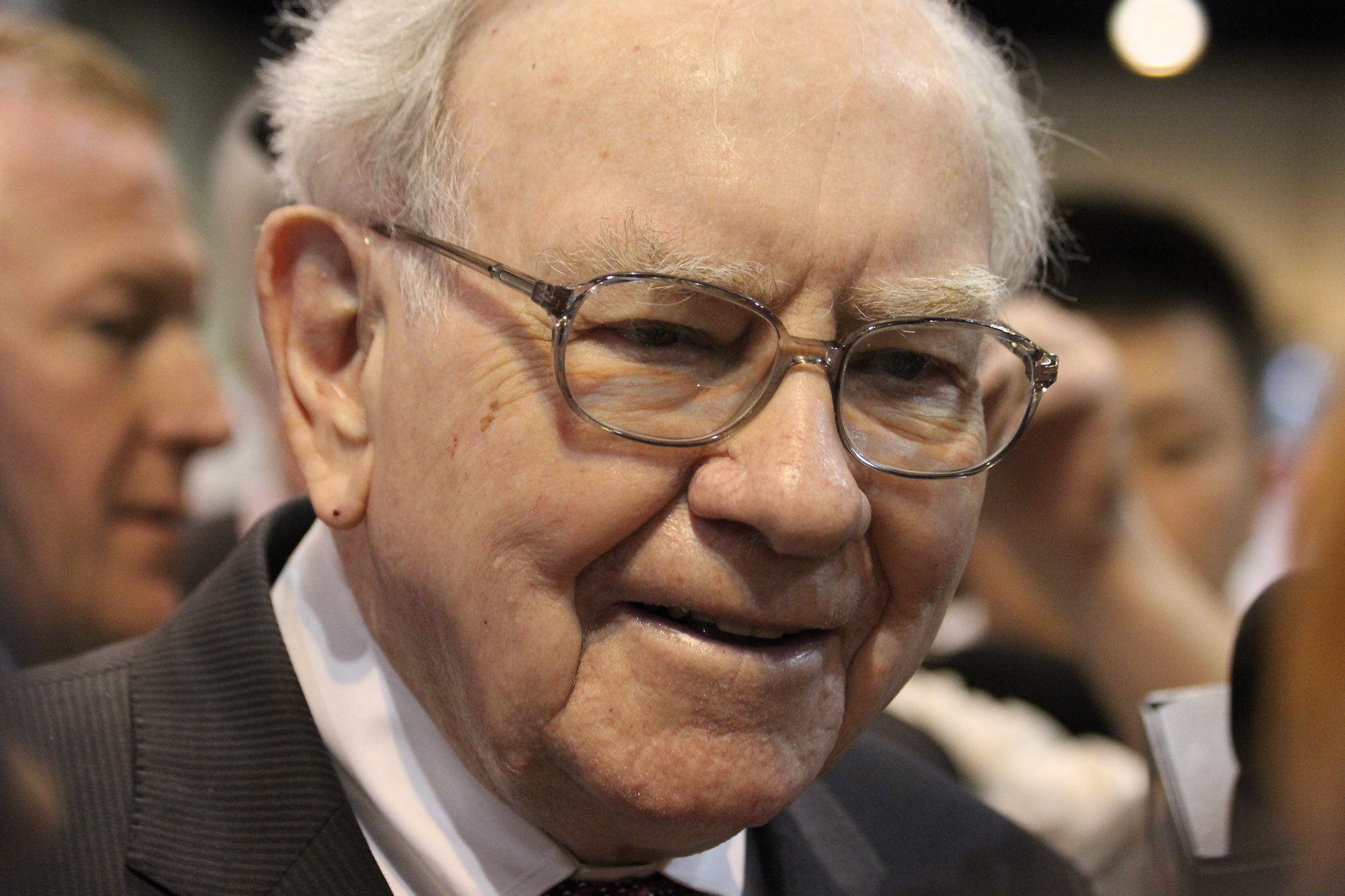
Warren Buffett became one of the world's wealthiest people by identifying great businesses and investing in them for the long haul. Interestingly, though, it's not the strategy that he suggests for most investors.
While Buffett works at valuing and reassessing the handful of companies in his personal portfolio, he recommends something far simpler for most everybody else: Buy the S&P 500 (^GSPC -1.27%).
Back in 2013 in his annual letter to Berkshire Hathaway (BRKA +0.56%)(BRKB +0.65%) shareholders, he talked about the instructions he included for the money that he leaves for his wife upon his passing. He wants it put into a portfolio that includes 10% in short-term Treasuries and 90% in a "very low-cost S&P 500 index fund."
Which S&P 500 index does he like best? "I suggest Vanguard's," he said.
Granted, following that advice isn't going to turn anyone into a billionaire. But history shows that even a modest $100 monthly investment made consistently into the Vanguard S&P 500 ETF (VOO -1.20%) can turn into hundreds of thousands of dollars over time.
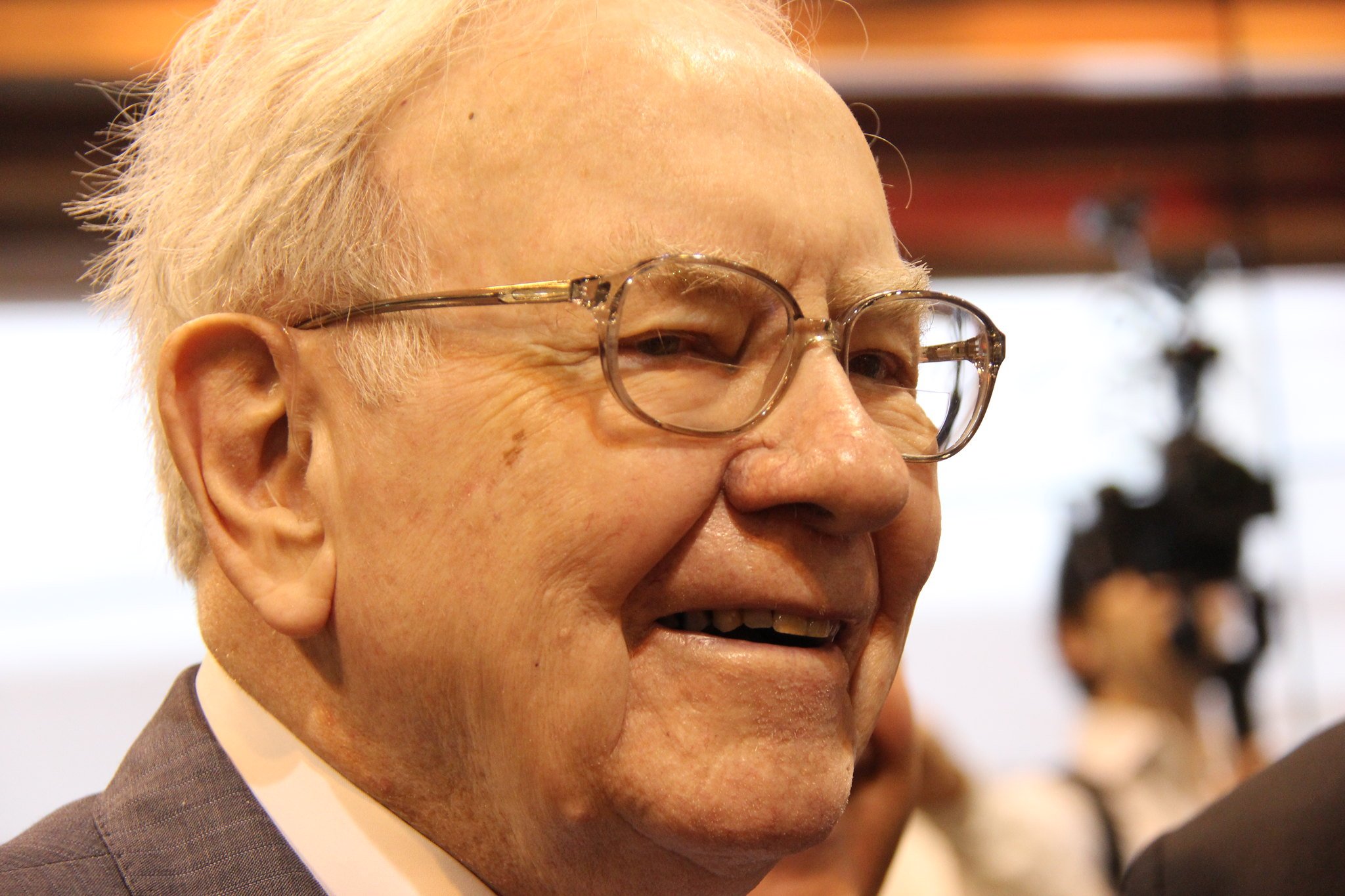
Image source: The Motley Fool.
Buffett believes investors should keep it simple
Buffett's reasoning for why most people should just stick with the S&P 500 and hold it is pretty simple. Market timing is mostly a losing proposition, and adequate stock research takes time and skill.
Most people just want to save and accumulate wealth over time. By investing in the S&P 500, investors can buy shares of the world's most successful businesses and not have to spend a minute worrying about whether they're buying the right stocks or buying them at the right time.
With the Vanguard S&P 500 ETF, you just buy the whole basket and let the U.S. economic growth engine do its thing.
One of the best features of using this Vanguard exchange-traded fund (ETF) is that it costs next to nothing to own. With an expense ratio of just 0.03%, investors are able to keep virtually all dividends and capital growth in their own pockets instead of those of a broker or financial advisor.
VOO Vanguard S&P 500 ETF
NYSEMKT · As of 2:19 PM ET 10/16/26
How $100 per month can turn into $225,000
History gives us plenty of evidence that consistent monthly investing into a simple S&P 500 ETF makes so much sense for most people.
During the past 100 years, the index has returned roughly 10% annually. To be fair, there have been a number of bear markets and major economic events that investors would have had to endure to achieve those returns. But this should still give us a good baseline expectation to work with.
Assuming that someone captures a 10% average annual return and invests just $100 per month in the Vanguard S&P 500 ETF, in 30 years that investment account would grow to roughly $226,000.
Even though you would have only contributed $36,000 during that time, investment growth and the power of compounding would have done most of the work for you. That's why long-term buy-and-hold investing is such a smart strategy.
Vanguard puts Buffett's advice into a single ETF
Long-term investing doesn't have to be complicated. As much as we hear about the thousands of ETFs available to investors across a multitude of asset classes, styles, themes, and niches, even a straightforward single-ETF strategy can be more than enough.
Investing in the S&P 500 means buying many of the largest, most consistent, and most profitable U.S. businesses. That's a portfolio tilted heavily toward long-term durability and quality, something that makes sense for any long-term investment. History has shown the results that the S&P 500 can deliver as long as you're willing to ride out the volatility along the way.
If that's good enough for Warren Buffett, it should be good enough for us.