History shows that economic expansions and bull markets do not last forever. According to the National Bureau of Economic Research, U.S. expansions from 1945 to 2020 have lasted about 64 months on average. The current expansion began in May 2020 and has now lasted roughly 76 months, already longer than that historical average.
A bear market is generally defined as a decline of at least 20% in a major stock market index from a recent high. According to Fidelity, U.S. stocks have entered bear market territory about once every six years on average over the past 150 years, with a median decline of roughly 33%. That does not mean that the bear market is due immediately, but investors who remain in stocks for decades should expect to encounter major market declines along the way.
So what's the best strategy for investors aiming to navigate a future bear market? Here's what you should know.

Image source: Getty Images.
Waiting for a bear market has a hidden cost
S&P Dow Jones Indices, a division of S&P Global, studied what happened when investors waited for the S&P 500 (^GSPC +0.03%) to fall 20% from an all-time high. Across nearly seven decades, investors waited an average of three years for a bear market. However, the median eventual entry was only 1.7% below the starting level.
The misses were far more expensive. Across all the starting points studied, the average index change by the time the bear market finally arrived was a 30% increase. Some bull markets simply ran too far first. For example, if the index rises from 100 to 130 and then falls 20%, it ends at 104. The bear market arrived, but the investor still bought 4% higher.
S&P 500 Index
Key Data Points
Smart investors are not waiting for the market to look completely safe
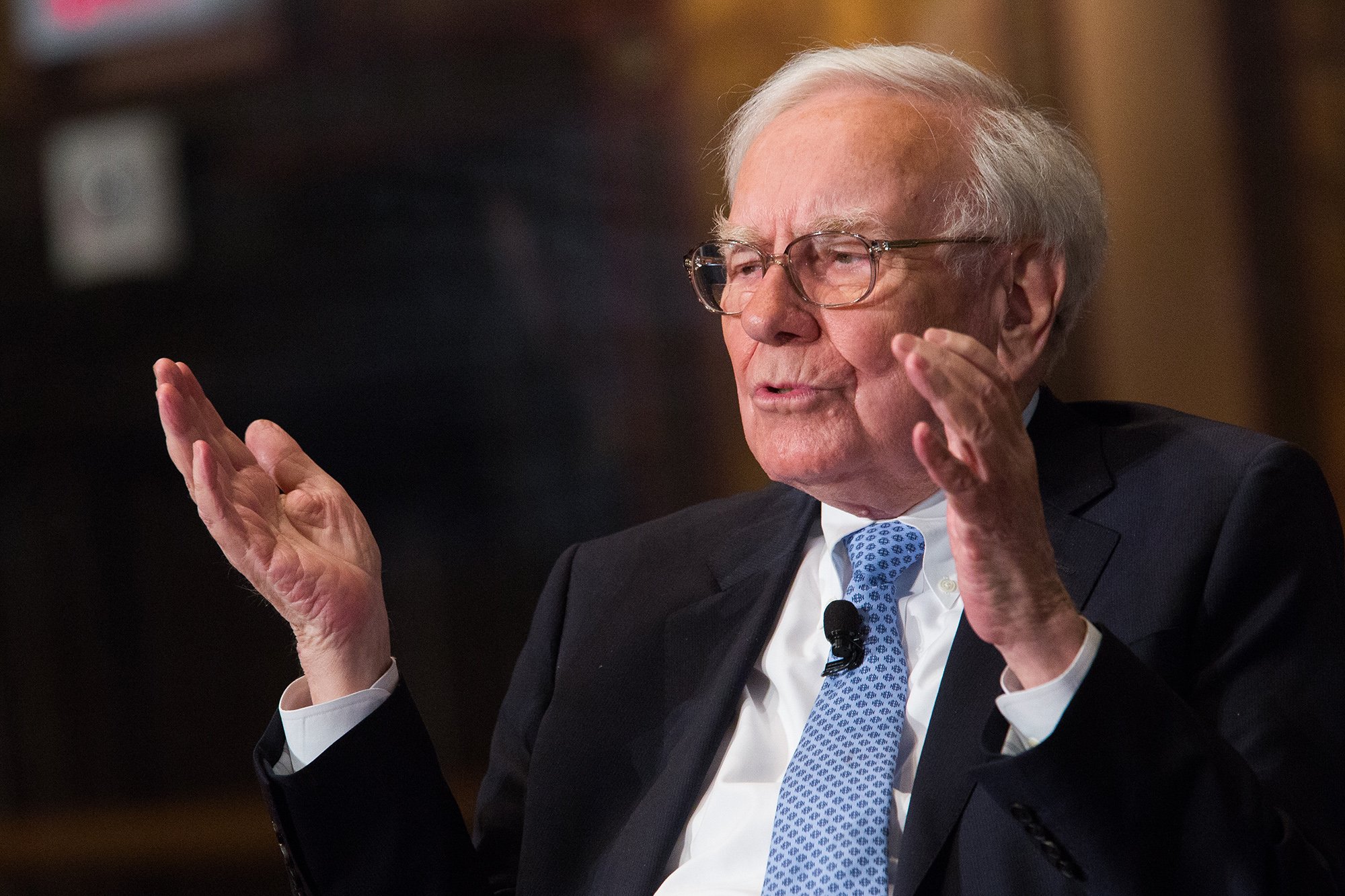
Warren Buffett-chaired Berkshire Hathaway (BRKA -0.12%) (BRKB +0.89%) bought $23.5 billion of stocks in the second quarter of 2026 but sold just $3.7 billion worth of stocks. The quarter ended the company's 14-quarter stretch of net stock selling. The company held roughly $365 billion in cash, cash equivalents, and Treasury bills at the end of the second quarter. Hence, while Berkshire Hathaway is not investing aggressively, it is also not waiting for a bear market before investing.
Bill Ackman's Pershing Square also began building six new positions in the second quarter, in Netflix, Visa, Mastercard, Alcon, Intercontinental Exchange, and S&P Global. Ackman said the companies were selected in part for their ability to deliver strong long-term earnings growth, which he considers the most important driver of investment returns.
Although these investors follow very different strategies, they have both continued to put long-term capital to work instead of waiting for the perfect market entry point. History also supports that approach. Vanguard found that investing a lump sum immediately beat spreading the same investment over three months 68% of the time over a one-year time frame, based on MSCI's MSCI World Index data from 1976 through 2022
That does not mean stocks are cheap. Vanguard now projects annualized U.S. equity returns of just 4.2% to 6.2% over the next 10 years, reflecting increasingly stretched valuations. But for long-term investors, sticking to a disciplined investment plan may be more useful than waiting for the next bear market.