Artificial intelligence and its growing energy demands dominate the headlines, especially for independent power companies like Constellation Energy (CEG +0.65%). Deals with hyperscalers like Meta Platforms and Microsoft have put Constellation on the map as power demands soar, but that's not the only reason to own Constellation.
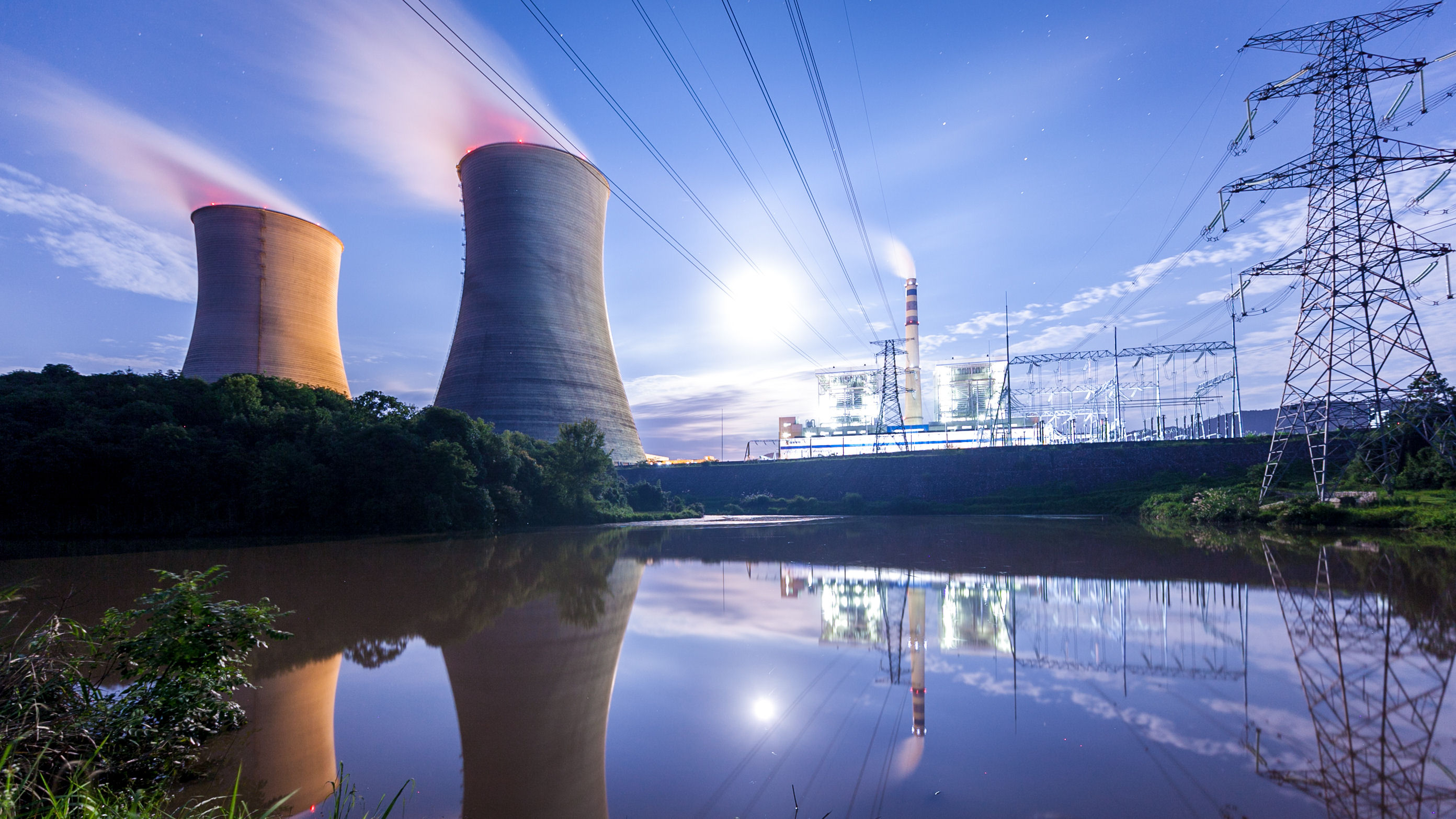
While AI attracts attention, Constellation's real advantage is its massive nuclear fleet. With the largest nuclear fleet in the U.S. and a track record of efficient operations, Constellation boasts a strong competitive advantage and durable moat. As nuclear power returns to favor, that moat could become even more valuable. Here's why.

Image source: The Motley Fool.
Constellation boasts the U.S.'s largest nuclear energy fleet
Nuclear power is returning to favor, and for good reason. Growing power demand, combined with a desire to cut carbon emissions, makes nuclear a highly appealing choice. On top of that, nuclear provides reliable 24/7 baseload energy, making it a no-brainer for businesses and governments looking to secure carbon-free power.
Constellation boasts a massive fleet of nuclear power assets. It has 22 gigawatts (GW) of nuclear capacity, making it the largest nuclear energy operator in the U.S. by a long shot. The next-closest nuclear fleet operators include Duke Energy, with roughly 11 GW of capacity, and Vistra, with 6.6 GW.
Constellation's highly efficient nuclear fleet also comes with downside protection
In addition, Constellation's nuclear fleet posted a 93% capacity factor in the second quarter and 94.7% in 2025. This was the highest capacity factor in the industry, which the company attributes to its fast refueling time of roughly 21.5 days per outage compared to 35 to 38 days on average. Ultimately, this high capacity factor means Constellation can provide customers with truly reliable energy.

NASDAQ: CEG
Key Data Points
Another benefit of this nuclear fleet is that it is eligible for the federal Nuclear Production Tax Credit (PTC) through 2032. Created as part of the Inflation Reduction Act, this credit provides transferable, inflation-protected credits that serve as an explicit price floor, protecting cash flows if power prices drop.
Constellation's nuclear fleet has also secured the vast majority of power generation through 2050 and beyond. Commercial nuclear units are licensed to operate for up to 80 years. Key nuclear plants across Constellation have secured these licenses or have filed applications that keep their physical operating authorization active into the late 2040s and 2050s.
Is it time to buy the dip on Constellation Energy?
Energy demand will continue to grow, and nuclear power has emerged as a key piece in meeting that demand. Constellation recently secured a power purchase agreement (PPA) with Walmart, the retailer's first-ever nuclear energy PPA.
Constellation Energy has no doubt benefited from the booming demand for power from AI data centers, but its real strength lies in its massive nuclear energy fleet. For investors bullish on the long-term outlook for nuclear energy, Constellation Energy, down 37% from its 52-week high, looks like a solid stock to scoop up today.