When it comes to electric vertical takeoff and landing plays, better known as eVTOL stocks or flying taxi stocks, major start-ups in the space, like Archer Aviation and Joby Aviation, may first come to mind.
Yet while these two major players dominate the headlines, particularly concerning their upcoming launches in the United States and the Middle East, did you know there's another, smaller eVTOL start-up that, despite a few headwinds, arguably has a stronger path toward steady profitability and a higher stock price?
That's the story at hand with Eve Holding (EVEX -2.99%), better known as Eve Air Mobility.
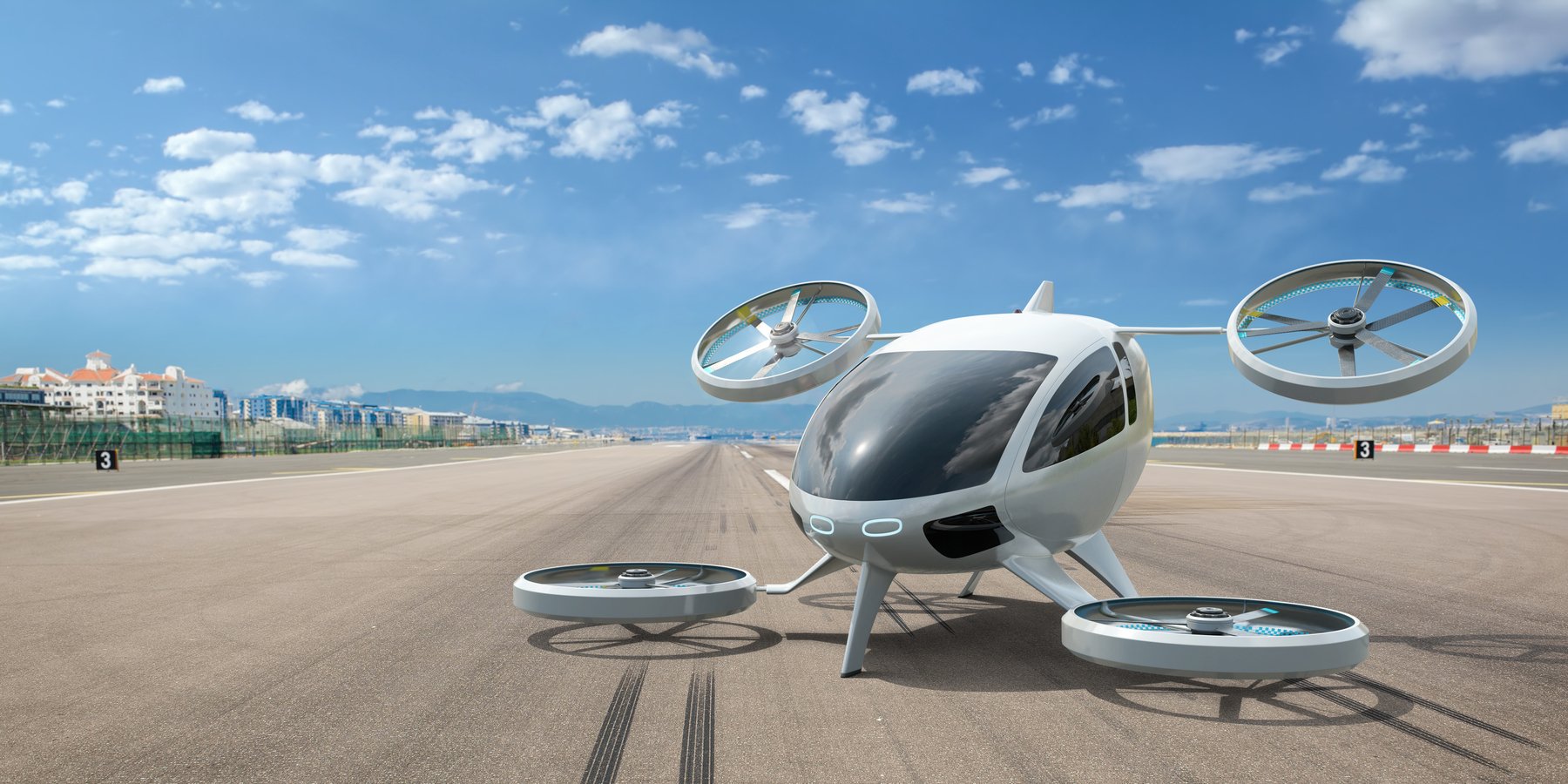
Image source: Getty Images.
Eve at a glance
In a nutshell, Eve Air Mobility represents Brazilian aircraft manufacturer Embraer's efforts to penetrate the eVTOL/air taxi industry. Embraer launched Eve as a concept in the late 2010s, then took it public via a SPAC merger in 2022. Currently, it holds a 71.9% stake in the early-stage company.
EVEX Eve
NYSE · As of 4:00 PM ET 10/16/26

But while Eve has scaled from concept to a publicly traded start-up, challenges have persisted. Since the merger, Eve shares have fallen by around 83%. Blame this on heavy cash burn, plus a slower-than-expected progress with certification and commercialization.
Still, even with over $810 million in cumulative losses, including $103 million in losses during the first half of 2026 alone, there are a few solid reasons why you may now want to place this eVTOL "also-ran" into the "avoid pile" just yet.
Three key positives with this eVTOL underdog
First, Eve Air Mobility has built up a nearly 3,000-unit contract backlog. Although the bulk of these are represented by letters of intent and could ultimately be canceled, this figure underscored confidence among end users for Eve's products, once it proceeds with mass production.
Second, further burnishing its potential to become a major eVTOL company, there's more to "Embraer's embrace" of Eve than simply serving as a deep-pocketed financial partner. Providing not just infrastructure but certification and production expertise as well, Eve expects to achieve up to $150 million in cost synergies through this arrangement. This could help the company reach profitability more quickly, if and when it reaches the commercialization stage.
Finally, with demand and production capacity in place, Eve is playing catch-up on certification. So far, the company has held 50 test flights, and is making progress with certification in Brazil and Europe.
Is Eve a buy?
With a market capitalization of just under $600 million, even modest progress can drive a big surge in Eve shares. In the long term, even modest success in commercialization could pave the way to profitability, which could also send shares considerably above current levels.
Still, keep in mind the considerable risk at hand. Even with the cost savings plans, Eve's cash runway only lasts two more years. There is a significant risk that the company could choose to raise additional equity capital, perhaps from its majority owner Embraer.
While having Embraer as a funding lifeline is a positive, an equity raise would dilute outside shareholders' equity, limiting the upside potential of their investment. In short, while I wouldn't sleep on the opportunity at hand with Eve, keep in mind the elevated risks before making it a buy.