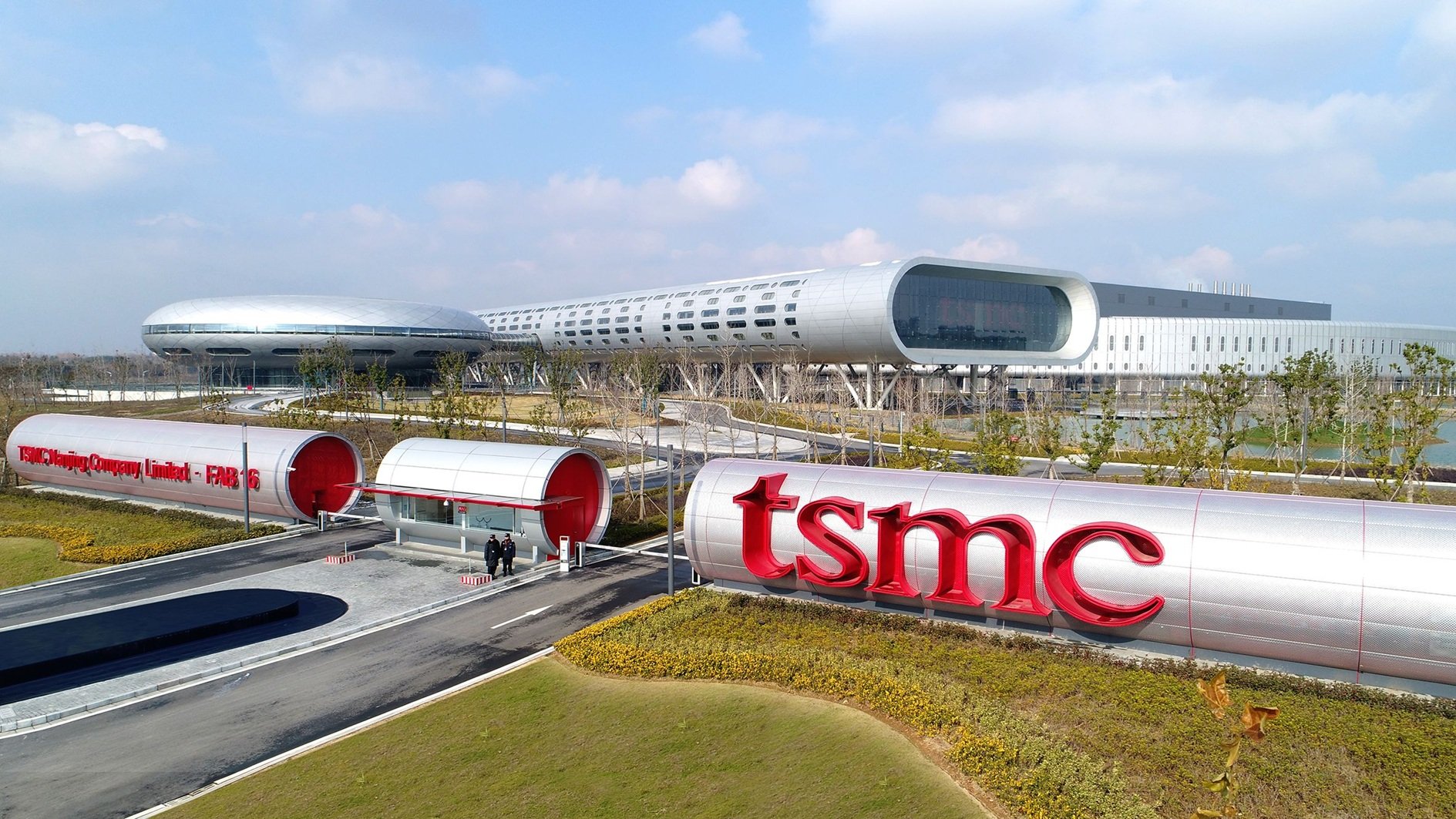
TSMC (TSM -1.02%), the world's top contract chipmaker, will post its full third-quarter earnings report on Oct. 15. It already disclosed that its revenue grew 50% year over year during the quarter, but three yet-to-be-released numbers might drive its stock higher or lower.
Image source: Getty Images.
1. Its HPC business
Most of TSMC's growth is being driven by its production of high-performance computing (HPC) chips for Nvidia (NVDA -0.52%) and other fabless AI chipmakers. That segment accounted for two-thirds of its revenue in the second quarter, and its sequential growth accelerated in the first half of the year as the demand for AI chips (especially Nvidia's) outstripped its supply. That growth is consistently offsetting its slower production of other types of chips.
|
Metric |
Q2 2025 |
Q3 2025 |
Q4 2025 |
Q1 2026 |
Q2 2026 |
|---|---|---|---|---|---|
|
Percentage of Revenue from HPC |
60% |
57% |
55% |
61% |
66% |
|
HPC Revenue Growth (QoQ) |
14% |
0% |
4% |
20% |
20% |
Data source: TSMC. QoQ = Quarter-over-quarter.
Therefore, investors should keep a close eye on TSMC's HPC revenue growth. Any hint of a slowdown could attract the bears, but a meaningful acceleration might drive its stock higher.
2. Its higher-end chip nodes
TSMC maintains its lead in the "process race" against Intel (INTC -2.22%) and other foundries by producing the world's smallest, densest, and most power-efficient chips.
Over the past year, the weight of its top-tier 3nm chips on its top line has increased, while the weight of its 5nm and 7nm nodes has decreased. The 3nm node includes Nvidia's newest Vera Rubin platform, which entered full production in early 2026. Investors will be expecting TSMC to generate even more revenue from the 3nm node in the second half of 2026.
|
Percentage of Revenue by Node |
Q2 2025 |
Q3 2025 |
Q4 2025 |
Q1 2026 |
Q2 2026 |
|---|---|---|---|---|---|
|
3nm |
24% |
23% |
24% |
25% |
30% |
|
5nm |
36% |
37% |
36% |
36% |
33% |
|
7nm |
14% |
14% |
14% |
13% |
11% |
Data source: TSMC. QoQ = Quarter-over-quarter.
3. Its full-year guidance
Last but not least, the bulls will expect TSMC to raise its full-year revenue guidance again. Back in January, TSMC expected its revenue to grow in the mid-to-high 20% range in USD terms. But in its first-quarter report in April, it raised its outlook to more than 30% growth.

NYSE: TSM
Key Data Points
During its second-quarter report in July, it raised its guidance again to at least 40% growth. If it doesn't reiterate or raise that outlook -- which seems unlikely since its revenue rose 50% year over year in the third quarter -- its stock could pull back. That could also happen if it merely reiterates its revenue guidance but raises its capex guidance (as it did in the second quarter).
Therefore, TSMC could seemingly hit a home run on Oct. 15, but these three numbers could prevent its stock from rallying. They could also weigh down the broader semiconductor sector -- so investors holding chip stocks must keep a close eye on this earnings report.