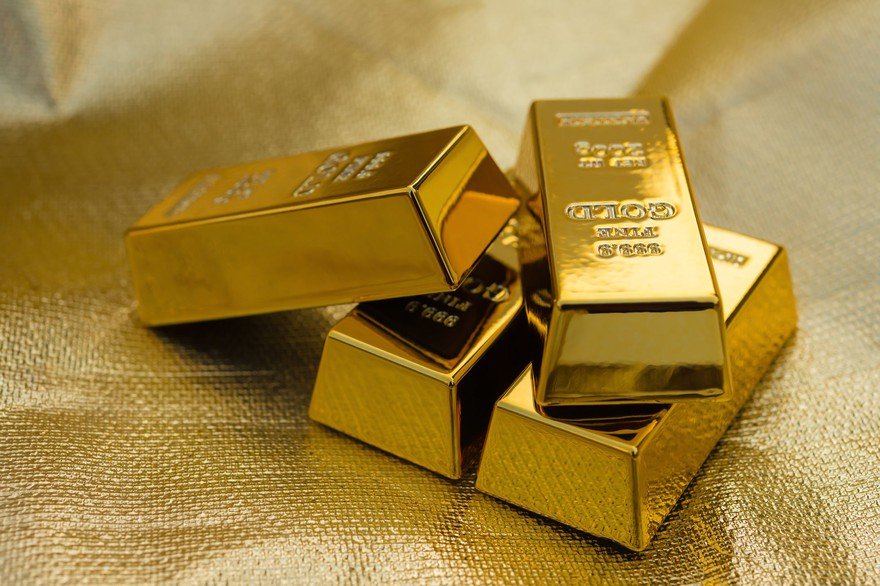
Investors choosing between iShares Gold Trust (IAU +0.44%) and iShares Silver Trust (SLV +1.85%) must weigh the lower cost of IAU and gold relative stability against the recent outperformance and volatility of SLV.
Both funds provide direct exposure to physical precious metals without the logistical challenges of storage, security, or insurance. While they belong to the same commodity family, gold and silver often respond differently to industrial demand and macroeconomic shifts. This comparison looks at which trust may better suit an investor risk profile and cost considerations.
Snapshot (cost & size)
| Metric | SLV | IAU |
|---|---|---|
| Issuer | iShares | iShares |
| Expense ratio | 0.5% | 0.25% |
| 1-yr return (as of Apr. 27, 2026) | 127.4% | 41.3% |
| Dividend yield | None | None |
| Beta | 0.47 | 0.17 |
| AUM | ~$37.0 billion | ~$72.7 billion |
Beta measures price volatility relative to the S&P 500; beta is calculated from five-year monthly returns. The 1-yr return represents total return over the trailing 12 months.
The iShares Gold Trust is significantly more affordable for long-term holders, carrying an expense ratio of 0.25%. This is exactly half the 0.5% annual fee charged by the iShares Silver Trust. Over many years, this cost gap could impact the net performance of the investment, particularly during periods when commodity prices remain relatively flat.

NYSEMKT: IAU
Key Data Points
Performance & risk comparison
| Metric | SLV | IAU |
|---|---|---|
| Max drawdown (5 yr) | (42.5%) | (21.8%) |
| Growth of $1,000 over 5 years (total return) | ~$2,800 | ~$2,595 |

NYSEMKT: SLV
Key Data Points
What's inside
iShares Gold Trust (IAU +0.44%) is a physically backed trust that seeks to reflect the performance of gold bullion. Because it holds the physical commodity, its portfolio does not contain individual company stocks. The trust, which was launched in 2005, manages ~$72.7 billion in assets under management (AUM).
iShares Silver Trust (SLV +1.85%) provides direct exposure to the price of silver bullion. It was launched in 2006 and currently holds ~$37.0 billion in AUM. Similar to the gold-focused trust, the iShares Silver Trust holds the physical metal itself and does not provide a list of individual equity holdings.
For more guidance on ETF investing, check out the full guide at this link.
What this means for investors
Gold and silver both surged dramatically in 2025, with silver nearly doubling gold's gains before pulling back sharply in early 2026. That gap reflects silver's dual identity: Unlike gold, which moves on investor sentiment alone, silver has significant industrial demand from solar panels, AI data centers, and electronics, which amplifies its swings in both directions.
IAU and SLV are both physically backed trusts holding their respective metals directly, with no dividends, no leverage, and no complexity. Each moves in lockstep with its underlying metal's spot price, making the choice less about fund structure and more about which metal you want to own.
The cost difference is significant. SLV charges twice what IAU does, a gap that compounds quietly over time. Gold has also historically been the steadier of the two, holding up better during downturns when industrial demand for silver weakens. Investors seeking a stable precious metals anchor will find IAU the more defensive choice. SLV suits those willing to accept sharper volatility for greater upside potential in a precious metals bull market.