Vanguard Morningstar Growth ETF (VUG +0.86%) provides low-cost exposure to mega-cap technology leaders, while Vanguard Morningstar Small-Cap Growth ETF (VBK +0.96%) targets smaller, emerging companies, with a more diversified portfolio and slightly lower performance over the last five years.
Both ETFs offer targeted exposure to the growth factor but operate at opposite ends of the market-capitalization spectrum. While the large-cap fund tracks established market leaders, the small-cap fund captures a more fragmented universe of younger companies with different risk profiles and sector weights.
Snapshot (cost & size)
| Metric | VBK | VUG |
|---|---|---|
| Issuer | Vanguard | Vanguard |
| Share price | $335.02 (as of 2026-10-15) | $89.78 (as of 2026-10-15) |
| Expense ratio | 0.05% | 0.03% |
| 1-yr return (as of 2026-10-15) | 10.3% | 13.0% |
| Dividend yield | 0.4% | 0.4% |
| Beta | 1.19 | 1.22 |
| AUM | $43.0B | $392.2B |
Beta measures price volatility relative to the S&P 500; beta is calculated from monthly returns over the available fund history (up to five years). The 1-year return represents total return over the trailing 12 months. Dividend yield is the trailing-12-month distribution yield.
Both funds are exceptionally affordable for growth-oriented investors. The Vanguard Morningstar Growth ETF has a slight cost advantage with an expense ratio of 0.03%, while the Vanguard Morningstar Small-Cap Growth ETF charges 0.05%. Both funds currently offer a modest 0.4% yield.
Performance & risk comparison
| Metric | VBK | VUG |
|---|---|---|
| Max drawdown (5 yr) | (38.4%) | (35.6%) |
| Growth of $1,000 over 5 years (total return) | $1,196 | $1,835 |
What's inside
Vanguard Morningstar Growth ETF leans heavily into technology, which accounts for 58% of the portfolio, followed by communication services at 15% and consumer cyclical at 11%. Its largest positions include Nvidia Corp (NVDA +1.93%) at 13.49%, Apple Inc (AAPL +1.48%) at 12.51%, and Microsoft Corp (MSFT -0.01%) at 9.75%. The fund holds 166 stocks and was launched in 2004. Vanguard Morningstar Growth ETF has paid $0.35 per share over the trailing 12 months, which, on its recent ~$89.78 share price, works out to a 0.4% yield.
Vanguard Morningstar Small-Cap Growth ETF offers a different sector mix, with technology at 27%, industrials at 20%, and healthcare at 20%. Its largest positions include Natera Inc (NTRA +2.89%) at 1.62%, Twilio Inc (TWLO +3.85%) at 1.28%, and Revolution Medicines Inc (RVMD +0.80%) at 1.19%. The fund holds 579 stocks and was launched in 2004. Vanguard Morningstar Small-Cap Growth ETF has paid $1.40 per share over the trailing 12 months, which, on its recent ~$335.02 share price, works out to a 0.4% yield.
For more guidance on ETF investing, check out the full guide at this link.
Which looks like the better buy
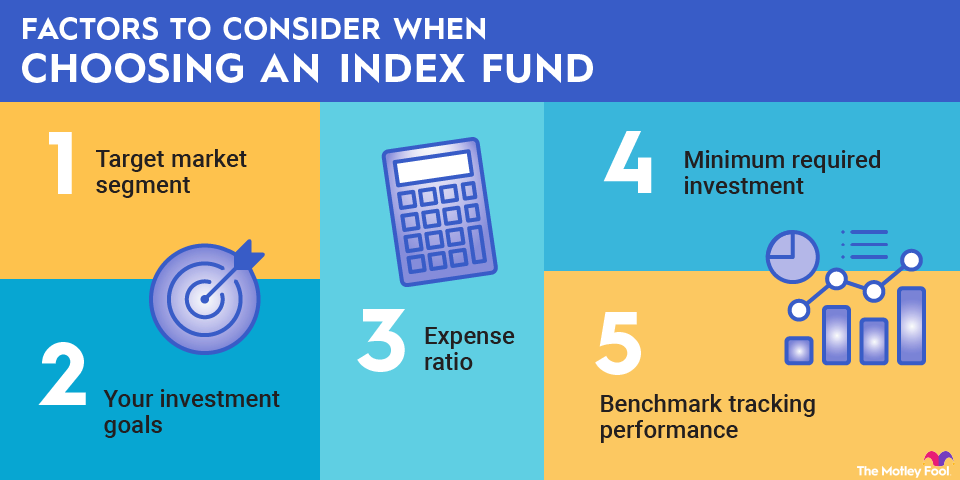
When comparing the Vanguard Morningstar Growth ETF (VUG) and the Vanguard Morningstar Small-Cap Growth ETF (VBK), investors should consider several key factors. Let's see what they tell us about each fund.
First, we should examine each fund's strategy. VUG is a powerhouse growth ETF that focuses on the large-cap growth sector. Tech stocks, specifically big tech giants, account for over half of its overall weight. VBK, on the other hand, is more focused on the small-cap growth sector. Tech stocks account for only about 25% of its overall weight.
Two other important factors are historical performance and income potential. VUG has generated an excellent total return of 79% over the last five years, equating to a compound annual growth rate (CAGR) of 12.3%. VBK, by contrast, has not performed as well. It has delivered a total return of 17%, with a 3.2% CAGR. As for income potential, there's not much separating these two funds. Both have a dividend yield very close to 0.4%.
One final factor to weigh is cost. While both funds are extremely affordable, VUG has a slight edge. It has an expense ratio of 0.03%, while VBK has 0.05%.
In summary, although VUG and VBK are both growth ETFs, they target different areas of the growth landscape. VUG is far more heavily weighted to big tech stocks. Consequently, it has performed better over the last five years as tech stocks have led the market higher. Therefore, VUG will be preferred by many investors. However, those investors seeking to diversify away from big tech stocks may wish to consider VBK, given its small-cap focus and reasonable fees.