Image source: The Motley Fool.
DATE
Tuesday, Feb. 3, 2026 at 9 a.m. ET
CALL PARTICIPANTS
- President and Chief Executive Officer — John Stauch
- Chief Financial Officer (outgoing) — Bob Fishman
- Chief Financial Officer (incoming) — Nick Brazos
TAKEAWAYS
- Sales Growth -- Reported 5% sales growth in Q4, with segment performance of 9% growth in Flow and 11% growth in Pool, partially offset by a 10% decline in Water Solutions.
- Adjusted Operating Profit -- Adjusted operating profit increased 9% in Q4 to $252 million, with company return on sales expanding 90 basis points to 24.7% year over year.
- Adjusted EPS -- Q4 adjusted EPS rose 9% to $1.18; full-year adjusted EPS increased 14% to a record $4.92.
- Full-Year Metrics -- Annual sales rose 2% to $4.18 billion, adjusted operating income was up 10%, and full-year return on sales reached 25.2%, marking a 170 basis point expansion.
- Record Free Cash Flow -- Delivered record free cash flow of $748 million for the year, enabling $225 million in share repurchases (2.3 million shares) and a new $1 billion repurchase authorization.
- Transformation Savings -- Achieved transformation savings of $70 million net of investments, with the same level targeted for 2026.
- Segment Highlights: Flow -- Flow segment Q4 sales increased 9% to $394 million, segment income rose 22%, and return on sales expanded 240 basis points to 22.8%; full year flow sales climbed 3%, and full year segment income grew 14%.
- Segment Highlights: Water Solutions -- Water Solutions Q4 sales fell 10% to $232 million, with commercial sales down 15%; reportable segment income declined 12% and return on sales decreased 60 basis points to 23.5%.
- Segment Highlights: Pool -- Pool Q4 sales grew 11% to $393 million, segment income increased 11%, and return on sales decreased 20 basis points to 33.6%; full-year pool sales advanced 9% and segment income expanded 11%.
- 2026 Guidance -- Projected 2026 adjusted EPS guidance of $5.25–$5.40 (7%-10% growth), company sales growth of 3%-4%, and adjusted operating income growth of 5%-8% with targeted return on sales of approximately 26%.
- Pricing and Tariffs -- Price expected to increase 2%-3% in 2026, primarily offsetting forecasted inflation and expected $30 million incremental tariffs, mostly in Q1.
- Capital Allocation -- Plan remains to raise the dividend, continue buybacks, and pursue selective bolt-on acquisitions like HydroStop and Gulfstream while maintaining a leverage ratio of 1.4 times and a return on invested capital of 16.7%.
- Operational Restructuring -- Announced reorganization to combine the residential flow business with water solutions, resulting in a consolidated business with about 25% of Pentair’s factories for enhanced channel synergies and operational efficiency, effective in 2026.
- Product Innovation -- Notable new products cited were eccentric impeller, PFAS Everpure filtration, the award-winning Manitowoc ICE Neo, IntelliVibe lights, and IntelliCore Plus, with ongoing focus on compliance with new EPA standards.
Need a quote from a Motley Fool analyst? Email [email protected]
RISKS
- CEO Stauch said, "In the fourth quarter, we also experienced higher than expected inflation, primarily from certain metals. If this inflation persists, we will review price and other mitigation efforts to offset this impact."
- Management explicitly stated that tariffs will have "an incremental impact on Q1" with a projected $30 million effect in 2026, primarily concentrated in the first quarter.
SUMMARY
Pentair (PNR 1.18%) reported record annual sales, profitability, and free cash flow, while delivering its fifteenth consecutive quarter of margin expansion. Executives announced a major organizational restructuring for 2026, consolidating residential flow and water solutions businesses under unified leadership to unlock growth and operational synergies. The company initiated 2026 guidance with projected adjusted EPS growth of 7%-10% and anticipated 3%-4% sales growth, primarily attributable to price increases offsetting inflation and incremental tariffs. Management approved a new $1 billion share repurchase authorization while signaling ongoing investment in product innovation and digital transformation. Free cash flow is targeted to remain at approximately 100% of net income for the year.
- The 2026 guidance does not assume a residential market recovery; "We wanted to put out a guide that reflected no residential recovery in 2026, which means a flattish pool year. And I also wanted to make sure I mentioned, Mike, that that would also include no indication of a '27 recovery. Not that we don't believe it will happen, but that we don't want it in our guide."
- Leadership transition features Nick Brazos as incoming CFO, with previous CFO Bob Fishman retiring after 24 quarters of service.
- Management emphasized a balanced capital allocation approach, prioritizing dividend increases, opportunistic share repurchases, and selective M&A for bolt-on growth.
- Pentair’s transformation and 8020 strategies are expected to continue driving margin improvement and productivity savings, with $70 million in net transformation savings forecast for 2026.
- Operational framework continues to target "high teens" return on invested capital, with line-of-sight to a 26% company return on sales by year-end 2026.
- Executives stated that price increases are not being pursued beyond offsetting cost inflation, and any additional inflation or tariffs would prompt further pricing action if necessary.
INDUSTRY GLOSSARY
- 8020: Pentair's strategic approach of prioritizing key customers (the "eighties") while simplifying and reducing low-performing portfolio elements (the "twenties") to drive efficiency and growth.
- Transformation savings: Cost reductions and margin improvements achieved through operational initiatives, productivity enhancements, and restructuring, net of incremental investments.
- Return on Sales (ROS): Measure of operating profit as a percentage of sales, used to benchmark segment and company profitability.
- QuadOne/QuadOne customer relationships: Refers to Pentair’s largest and most strategic customer accounts, targeted for growth and relationship deepening within its 8020 framework.
Full Conference Call Transcript
John Stauch, our President and Chief Executive Officer, Bob Fishman, our outgoing Chief Financial Officer, and Nick Brazos, our incoming Chief Financial Officer. On today's call, we will provide details on our fourth quarter and full-year performance, as outlined in this morning's press release. On the Pentair Investor Relations website, you can find our earnings release and slide deck, which is intended to supplement our prepared remarks during today's call and provide a reconciliation of differences between GAAP and non-GAAP financial measures that we will reference. The non-GAAP financial measures provided should not be considered as a substitute for or superior to the measures of financial performance prepared in accordance with GAAP.
They are included as additional clarifying items to aid investors in further understanding the company's performance, in addition to the impact these items and events have on the financial results.
Before we begin, let me remind you that during our presentation today, we will make forward-looking statements, predictions, projections, or other statements about future events. Listeners are cautioned that these statements are subject to certain risks and uncertainties, many of which are difficult to predict and generally beyond the control of Pentair. These risks and uncertainties can cause actual results to differ materially from our current expectations. We advise listeners to carefully review the risk factors in our most recent Form 10-Q and Form 10-Ks. Please note that during the presentation today, we will be making references to record financial results. These references reflect the time period post the nVent separation in 2018 unless otherwise noted.
Following our prepared remarks, we will open the call up for questions. Please limit your questions to two and reenter the queue to allow everyone an opportunity to participate. I will now turn the call over to John.
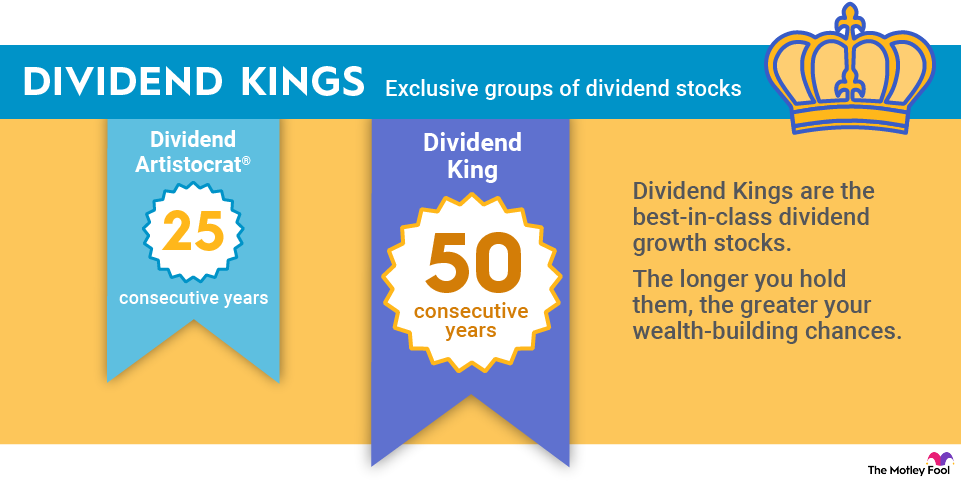
John Stauch: Thank you, Shelly, and good morning, everyone. Thank you for joining us today. As we celebrate our sixtieth anniversary year and approach Dividend King status, Pentair stands at the forefront of solving the world's most pressing water challenges. Our focus on customer obsession, innovation, operational excellence, and sustainability positions us for strong growth in 2026 and beyond. To capitalize on our opportunities, I'm pleased to introduce Nick Brazos, our incoming CFO. Nick brings a deep track record of operational rigor and financial acumen, and I'm confident he will help us extend our legacy of disciplined execution. I also want to thank Bob for his six years and twenty-four quarters of outstanding service.
Bob's leadership has been instrumental in positioning us for our next phase of growth. He leaves behind a very strong financial organization that partners with our businesses to drive excellence in their respective industries.
I would like to acknowledge that Damon Wiggins and Adrian Chew have accepted new, expanded, and important roles, and I want to extend my sincere appreciation to Steve Pillow and Phil Rishigo for their significant contributions over the roughly twenty years that each have served the Pentair shareholders. At Pentair, we believe that culture and talent are our ultimate competitive advantage, and we are committed to developing leaders who can drive sustained outperformance for creating future value. We are entering an exciting new chapter for our company, one defined by accelerated growth through customer obsession, innovation, and operational excellence.
As announced this morning, we have strategically combined our flow residential business with our residential business within water solutions beginning in 2026. This move allows us to combine two businesses that both serve plumbers in the North American residential segment under the same leadership. It opens up channel growth opportunities, creates operational scale and efficiency. Together, they make up about 25% of total Pentair factories and allow for regional sales and G&A synergies and create organic and inorganic growth opportunities to build the business for the future.
Damon, who has led a remarkable transformation in flow, will now oversee both the flow and water solution segments, driving cross-segment collaboration and best practice sharing. Adrian will lead our efforts in strategy, digital, AI, and innovation for Pentair, helping to ensure that we stay at the forefront of technological change and partner with the businesses to build growth strategies to drive enduring success. As we position our company for continued growth in the future, we believe this new leadership structure provides more agility to drive long-term shareholder value. We believe our balance sheet is solid, our free cash flow is strong, and our opportunities are plentiful. Now let's turn to the Q4 executive summary on Slide four.
In the fourth quarter, we delivered 5% sales growth and the fifteenth consecutive quarter of margin expansion. This was made possible by the relentless application of our PennCare business system tools and a culture of continuous improvement. Adjusted operating profit increased 9%, ROS expanded by 90 basis points to 24.7%, and adjusted EPS rose 9% to $1.18.
Turning to the full year, let's move to the full year 2025 executive summary on slide five. In 2025, we achieved record annual sales, adjusted operating income, ROS, and adjusted EPS. These results reflect our focus on execution, disciplined capital deployment, and the resilience of our balanced water portfolio. And 8020 is gaining traction, allowing us to deepen relationships with our largest customers, our eighties, while streamlining our portfolio for higher efficiency and growth by reducing our efforts on the twenties. We generated record free cash flow of $748 million and returned $225 million to shareholders through share repurchases, demonstrating our ongoing commitment to disciplined, balanced capital allocation.
Our innovation engine remains robust with notable launches including the eccentric impeller and flow, PFAS Everpure filtration and water solutions, the award-winning Manitowoc ICE Neo, which leverages integrated filtration and next-generation refrigerants, which are compliant with new EPA standards, and IntelliVibe lights and IntelliCore Plus and pool. Our focus on launching differentiated high-value products that solve critical customer needs and drive sustainable growth is highlighted by both the PFAS Everpure Filtration Neo under-counter ice machine winning the Kitchen Innovation Awards at the 2025 National Restaurant Association show.
Our 2026 outlook reflects confidence in our business model and the resilience of our end markets. We plan to continue to invest in digital and AI-driven solutions, strengthen our portfolio, and return capital to shareholders, all while advancing our leadership in sustainable water technologies. Looking ahead, we are introducing our full-year 2026 adjusted EPS guidance range of $5.25 to $5.40, an 8% increase at the midpoint. We expect approximately 3% to 4% sales growth and approximately 5% to 8% adjusted operating income growth, driven by continued operational excellence and innovation.
We remain vigilant in responding to macro volatility and the broader operating environment and continue to take proactive steps to mitigate risks, helping to ensure that we deliver on our commitments regardless of the external environment.
Let's turn to slide six, titled Aligning Organization in 2026 for Accelerated Success. As I previously mentioned, we have moved our residential flow business into water solutions and combined it with our residential water solutions business to help accelerate efforts to improve customer experiences, enhance operational efficiencies, and deliver more comprehensive solutions to our channel partners. Our flow segment will now consist of our commercial and industrial flow businesses, and our water solutions segment will consist of our non-pool residential businesses as well as our Everpure filtration and Manitowoc ICE businesses. You will see these changes reflected in our Q1 2026 results.
We've also provided the revised segment information for historical sales, reportable segment income, and return on sales in the supplemental information section of our earnings presentation.
Let's move to the key takeaways on slide seven. With a strong foundation, a clear strategy, and an energized leadership team, we believe Pentair is poised to deliver sustainable growth and value creation. 2025 was another record year for Pentair. We delivered strong margin expansion, sales, and earnings growth, and robust free cash flow. We have a clear strategy, a proven operating model, and an outstanding team. Our balance sheet is solid, and we plan to continue to drive a balanced capital allocation strategy. We remain confident in our ability to drive sustained outperformance, creating value for our customers, employees, and shareholders alike.
Thank you for your continued investment in our company, and I'm looking forward to seeing many of you at our upcoming Investor Day on March 4. I will now pass the call over to Bob and Nick, who will discuss our financial results and 2026 guidance in more detail.
Bob Fishman: Thank you, John, and good morning, everyone. As John highlighted, Pentair is entering an exciting new chapter, one defined by innovation, sustainability, and operational excellence. Our financial results for Q4 and full-year 2025 reflect the tangible impact of our transformation journey and disciplined execution. Most importantly, our commitment to creating value for all stakeholders. Before I review our performance, I'd like to echo John's welcome to Nick. Nick and I have worked closely together over the last three years, and I'm excited to pass the baton over to him. I'm confident he will excel as the incoming CFO. We are well aligned in how we think about capital allocation and driving shareholder value.
Our Q4 and full-year results are a testament to our commitment to building a more resilient, innovative Pentair. The sale of our commercial services business in Q2 and the acquisition of HydroStop in Q3 are deliberate steps in our strategy to focus on higher growth, higher margin businesses, which we believe positions us to lead in the water industry. We remain focused on our transformation initiatives and eighty-twenty approach, which have enabled us to streamline operations, invest in differentiated products, and deliver consistent margin expansion. These actions are not just about the short term; they are about building the foundation for sustainable long-term success.
Let's start on slide eight, titled Q4 2025 Pentair Performance. I will also be discussing our full-year performance on slide nine. In Q4, we delivered a strong fourth quarter. We have remained focused on our transformation initiatives in eighty-twenty and proven that we can successfully navigate through a variety of macroeconomic and geopolitical landscapes. In Q4, we delivered sales growth of 5%, strong margin expansion, and adjusted EPS growth. Sales were driven by a 9% increase in flow with core flow sales growth of 4%, and an 11% increase in pool sales with core pool sales up 9%, slightly offset by water solutions.
The sale of our commercial services business in Q2 2025 was a strategic move to sharpen our portfolio focus. Fourth quarter adjusted operating income increased 9% to $252 million, with return on sales expanding 90 basis points year over year to 24.7%. This improvement was driven primarily by price and transformation. Adjusted EPS of $1.18 was up 9% versus the prior year.
For the full year, sales were up 2% to $4.18 billion, driven by growth in pool and flow, slightly offset by water solutions. Adjusted operating income grew 10%, and return on sales expanded 170 basis points to a record 25.2%. Adjusted EPS increased to a record $4.92, up 14% versus the prior year. Please turn to Slide 10, labeled Q4 2025 Flow Performance. In addition to the fourth quarter performance for Flow, I'll also be referencing the full-year performance on Slide 11. In Q4, flow sales were up 9% to $394 million. Commercial and industrial sales both increased 12% year over year, while residential sales rose 4%.
Reportable segment income was up 22%, and return on sales increased 240 basis points to 22.8%, driven by price, the acquisition of HydroStop, and transformation. For the year, flow sales increased 3% to $1.55 billion, driven by commercial and industrial. Full-year reportable segment income grew 14%, and return on sales increased 230 basis points to 23.3%, a record margin for flow driven primarily by transformation.
Please turn to Slide 12, labeled Q4 2025 Water Solutions Performance. In addition to the fourth quarter performance for Water Solutions, I'll also be referencing the full-year performance on Slide 13. In Q4, Water Solutions sales decreased 10% to $232 million. Commercial sales were down 15%, which includes an 11% impact from the sale of our commercial services business in Q2. Reportable segment income declined 12% to $55 million, and return on sales decreased 60 basis points to 23.5% due to FX and a decline in volume. For the year, water solutions sales decreased 6%. Reportable segment income was flat, and return on sales increased 130 basis points to 23.9%, a new full-year record as transformation drove significant productivity.
Please turn to Slide 14, labeled Q4 2025 Pool Performance. In addition to the fourth quarter performance for pool, I will also be referencing the full-year performance on Slide 15. In Q4, pool sales grew 11% to $393 million, driven primarily by price. Reportable segment income increased 11%, and return on sales decreased 20 basis points to 33.6%. We continued to invest in growth initiatives in Q4, which slightly offset strong productivity. In the fourth quarter, we also experienced higher than expected inflation, primarily from certain metals. If this inflation persists, we will review price and other mitigation efforts to offset this impact.
For the year, pool sales grew 9%, driven by price, volume, and the acquisition of Gulfstream in December 2024. Reportable segment income increased 11%, and return on sales increased 60 basis points to 33.8%, a new annual record driven by sales growth and transformation.
While inflation and tariffs present ongoing challenges to total Pentair, our proactive pricing strategies and operational discipline have enabled us to sustain margin expansion. We are closely monitoring global supply chain dynamics and remain ready to adjust quickly to protect profitability and invest in future growth. Our risk management approach remains agile and disciplined, allowing us to navigate volatility and seize new opportunities. Our record free cash flow not only strengthens returns for our shareholders but also empowers us to invest in our people, our communities, and the technologies that will deliver cleaner, safer water for millions. These results reflect our commitment to all stakeholders: shareholders, employees, customers, and partners, and our purpose-driven approach to value creation.
I will now hand the call over to Nick to discuss our balance sheet and 2026 guidance.
Nick Brazos: Thank you, Bob. It's been a privilege to partner with you these last few months and to learn from and work with you these past few years. Good morning, everyone. Please turn to slide 16, labeled Balance Sheet and Cash Flow. We maintained a strong financial position, with record annual free cash flow of $748 million, a healthy leverage ratio of 1.4 times, and we've delivered a return on invested capital of 16.7%, up from 15.5% in 2024. We expect to continue to have a balanced capital allocation strategy focused on delivering shareholder value with flexibility to invest in organic growth, pursue strategic acquisitions, repurchase shares, and pay dividends.
All guided by our high teens return on invested capital target as well as earnings growth. In 2025, we repurchased 2.3 million shares for a total of $225 million and announced a new share repurchase authorization for up to $1 billion.
Moving to slide 17, titled Q1 and Full Year 2026, Enter Outlook and Expectations. Looking ahead, our priorities are clear. Continue to deliver for customers and create value for shareholders as we accelerate innovation, deepen our QuadOne customer relationships, and drive operational excellence through the Pentair business system. Our guidance reflects customer obsession, continued investment in focused priorities, portfolio optimization, and disciplined capital allocation. For the full year, we are introducing our adjusted earnings per share guidance range of approximately $5.25 to $5.40, which represents a year-over-year increase of 7% to 10%. We expect total Pentair sales in fiscal 2026 to be up approximately 3% to 4%.
We expect flow sales to be up approximately mid-single digits to high single digits. Water solution sales are expected to be approximately flat, with core sales up approximately low single digits. And pool sales are expected to increase approximately 3% in fiscal 2026.
Within our 3% to 4% sales guide for total Pentair, we expect full-year volume to be roughly flat. Price to be up 2% to 3%, and FX acquisitions and divestitures to be an approximate 50 basis point benefit. We expect total Pentair adjusted operating income to increase approximately 5% to 8%, with return on sales expansion of roughly 100 basis points to approximately 26%. We expect price to offset inflation and another strong year of transformation savings of approximately $70 million net of investments, which delivers on our 26% return on sales target set at our last Investor Day in March 2024.
We expect pool to improve its return on sales slightly, and Flow and Water Solutions to continue to benefit from complexity reduction and transformation savings. We expect flow to improve its return on sales in line with the company's return on sales expansion, and water solutions to do better than the overall company.
Also, for the full year, we expect corporate expenses of approximately $90 million, debt interest expenses of roughly $67 million, an adjusted tax rate of approximately 17%, and a share count of approximately 165 million. For the first quarter, we expect sales to be up approximately 1% to 2%. We expect flow sales to be up approximately high single digits, water solution sales to be down approximately low single digits, with core water solutions roughly flat, and pool sales to be approximately flat year over year. We expect to maintain normal seasonality trends where sales in Q1 are typically the lowest, and Q2 are typically the highest.
The rate of year-over-year growth is expected to be slightly higher in the second half of 2026 than the first half, as is typical for our business. We expect first-quarter adjusted operating income to be up 2% to 5%. We expect return on sales expansion in Q1 for total Pentair, including return on sales expansion in each of our three segments. Similar to sales, we expect return on sales to follow a normal seasonality pattern, with the highest rate in Q2 followed by Q3 and then Q4. We're also introducing adjusted EPS guidance for the first quarter of approximately $1.15 to $1.18, an increase of approximately 4% to 6%.
In 2026, we expect adjusted EPS to be approximately 50% of our full-year adjusted EPS guide, roughly in line with our historical norm. Q1 adjusted EPS is expected to be roughly 22% of the full year, consistent with the prior three years. We are targeting strong free cash flow in 2026 of approximately 100% of net income. As a reminder, Q1 is a cash use quarter in any given year, while Q2 is typically our highest cash generation quarter.
At this time, our 2026 guidance assumes a balanced contribution from flow, water solutions, and pool. We have not included a residential recovery in our guide, which we believe would be upside. We expect transformation, eighty-twenty, and innovation to drive growth across our balanced portfolio. We expect new pool builds, remodels, and aftermarket to be similar to 2025. We expect tariffs will have an incremental impact on Q1. Please recall that new tariffs impacted us beginning in 2025. We expect to maintain a disciplined capital allocation strategy and deliver strong free cash flow. Moving to slide 18.
We had roughly $70 million of tariff impact in 2025, and we expect approximately $30 million in incremental tariffs in 2026, primarily in Q1. But we believe our carryover pricing and ongoing mitigation strategies position us to offset these impacts.
Let's move to slide 19. We look forward to welcoming you at our upcoming Investor Day on March 4, where you'll hear more about our updated long-term strategy and outlook, our growth strategies and expectations to drive future growth, our Pentair business system, and how it fuels continuous transformation and growth, new product launches, and innovation, and a lot more. As I step into the CFO role, I'm committed to upholding Pentair's legacy of financial integrity, discipline, transparency, and stakeholder engagement. I look forward to embarking on the next phase of our journey together and meeting many of you at our Investor Day in March and then throughout the year. Thank you for your trust and partnership.
Together, we are building a Pentair that is not only stronger financially but also making a lasting impact by helping our customers move, improve, and enjoy water, life's most essential resource. I would now like to turn the call over to the operator for Q&A. After which John will have a few closing remarks. Operator, please open the line for questions. Thank you.
Operator: We will now begin the question and answer session. In the interest of time, we ask that you please limit yourself to one and one follow-up. To ask a question, you may press star then 1 on your telephone keypad. To withdraw your question, please press star then 2. At this time, we will pause momentarily to assemble our roster. First question comes from Andy Kaplowitz with Citigroup. Please go ahead.
Andy Kaplowitz: Hey. Good morning, everyone.
Bob Fishman: Morning.
Andy Kaplowitz: Bob, thanks for all your help.
Bob Fishman: Thank you, Andy. Appreciate that.
Andy Kaplowitz: Sure. So can you give us a little more color on what you're seeing in your commercial water solutions business? I think you said for water solutions in general to start out flat in the core in Q1 after being down in Q4. I think you're guiding to low single digits for the year. So the visibility into that improvement that you're modeling and maybe any difference you're seeing between Mana Ice and Everpure.
John Stauch: Yeah. I'll just start with 26. I mean, we think CWS, those two businesses returned to growth in 2026. You know, and as far as Manitowoc and filtration. And remind you that even throughout '25, the North American market remained relatively strong. The volatility that we're generally seeing in the business is more of the international and the China sales and how they're flipping a little bit, what the metrics look like in North America. So we feel like we've ended the year positioning ourselves a really good position to grow again in 2026. They're both very high margin businesses, and we expect the contributions next year to be very solid from both.
Andy Kaplowitz: Thanks for that, John. And then maybe just a follow-up on sort of this combination of residential flow and residential water. I think you said it has 25% of your factories, which is obviously quite a bit of a high number. So maybe you could talk a little bit about the incremental opportunity that you have. I would assume something you highlight a little more for us at the Investor Day, but we'll kind of timeline could you get these improvements that you're talking about?
John Stauch: Yeah. I don't wanna give away my investor day, but I'll give you a hint or a tease. These businesses come together, form a roughly a billion dollar, what we call water quality management business. And as you saw from the pie charts that we shared, we get our channels aligned better on go to market. If you recall residential water treatment, which was in water solutions, was historically a specialty filtration play. Know, with people just designed to be high-end servicers for water softeners. Where the market has shifted, we believe, is into the North American plumbing channel, well diggers, which we service from the r and I side.
And we believe we can bring the technologies and the channel opportunities together to create some growth synergies and begin to merge into the utility room opportunities in a broader way. On the cost side, they both have large regional, you know, global operations, both factories and regional sales. And, g and a. Structures. And we do see a substantial amount of margin improvement in the combined business over the next several years.
Andy Kaplowitz: Appreciate all the color.
Operator: Our next question comes from Mike Halloran with Baird. Please go ahead.
Mike Halloran: Hey. Morning, everyone, and thanks for everything, Bob.
Bob Fishman: Thank you, Mike.
Mike Halloran: Hey. So can we just start on the pool side of things? Maybe some help on what you're seeing in the first quarter. Here for that flattish guidance, all else equal. You know, the price volume dynamics, inventory levels, and then the confidence in seeing that normalize through the year a bit.
John Stauch: Yeah. So, you know, since we're thanking Bob, I promised Bob a normal pool year. Know, when he joined the company and said it was the most steady, easily to predict business that Pentair had. I still believe it's the best business Pentair has had and one of the best businesses I've ever seen. '25 ended from a full-year perspective. You look at it mostly normal. But there is anything but normal as the quarters unfolded. So I wanna start there. I think we're well positioned in the industry. I think we're still waiting for the markets to recover. We wanted to put out a guide that reflected no residential recovery in 2026, which means a flattish pool year.
And I also wanted to make sure I mentioned, Mike, that would also include no indication of a '27 recovery. Not that we don't believe it will happen, but that we don't want it in our guide. And as '27 starts to recover, we would expect that demand to work its way into the back half of the year. But we don't see that yet, and we have no evidence that's gonna happen. So we wanted to put the pool opportunity on the upside versus putting risk out in 2026. With that, I'm gonna let Nick answer a couple of the dynamics.
Nick Brazos: Yeah. I'll just add, you know, when you look at sell-in for Q4, it's up a little bit relative to sell-out. Which we believe balances in Q1. And then we see volume up Q2 through Q4 for flat volume for pool in our guide for the year. And we think we're being pragmatic with this guide. And you look at weather patterns in Q1, some of the freezes in the South, tariffs driving some buying patterns. We think that it's a pragmatic guide. We're again, as John said, we're just not assuming a change in residential recovery in 2026.
Mike Halloran: Great. Makes sense. And then secondarily, could you just maybe talk about capital priorities outside of the dividend, which I know you guys are going to still keep moving that higher. But buyback, how interested are you guys in pursuing the buyback side? And then any thoughts on the m and a side of things and actionability in the channel?
John Stauch: Yeah. So first of all, it's good to have a healthy balance sheet. I think we're well positioned. We generate a lot of cash and don't use a lot of capital. So those are a blessing to have. We're moving into our fiftieth year of raising the dividends and dividend king status. So let's say we're gonna continue to raise that likely. And then I look at buyback and m and a as you know, what creates the best longer-term value. You know, if we find more hydro stops, if we find more golf streams, those are really nice acquisitions to tuck into the portfolio, and we're always actively looking for those bolt-ons.
And if not, we'll begin to nibble at the stock and continue return to shareholders through buyback.
Mike Halloran: Thanks, everyone.
John Stauch: Thank you.
Operator: Our next question comes from Nathan Jones with Stifel. Please go ahead.
Nathan Jones: Good morning, everyone.
John Stauch: Morning.
Nathan Jones: I guess I'll start off well, first, congratulations on your reretirement Bob, and thanks for all the help over there.
Bob Fishman: Thank you, mate.
Nathan Jones: Start off with a couple questions. Couple questions around eighty-twenty. Sometimes early in 8020, you see some headwinds to revenue from, you know, from revenue that you're walking away from. You guys have targeted bit more as a growth tool. Can you talk about kind of the impact you're expecting eighty-twenty to have in 2026 on organic growth? Is it a headwind? Is it a tailwind? Start there.
John Stauch: No headwind. All of those early, you know, let's allow businesses to walk away from cloud four revenue are behind us. And what we have going forward is what should be a higher level of growing the eighties, which is the quad one and the top customers we have, and we would expect those relationships to bear fruit and drive revenue higher in the upcoming next several years.
Nathan Jones: Thanks for that. I guess I'll ask a question on pricing. You did talk about seeing more inflation than expected in Q4. Primarily, I think it was in the pool business. John, you talked about the amount of price that's gone through in pool, especially over the last few years. And maybe the difficulty of passing through any more price. Can you talk about how you've approached pricing for, you know, kind of normal 2026 price increases, whether you pulled back a little bit on that, whether you have any concerns about market acceptance of further price increases or just how you guys are thinking about price this year? Thanks.
John Stauch: Yeah. So just real quickly, Nathan, I just as a reminder, you know, all of us in the equipment side of pool have our own proprietary technologies. We buy from our unique motor suppliers, unique drive suppliers, and have our own relationships. So it's not like other industries where you have a same, central buying pattern. So sometimes tariffs affect us differently across depending where our supply chains are. I think our goal is we're not trying to do more than offset cost with price. Now we're not always able to get that perfectly, but that's our going in general position is that we have a right to recapture our inflationary pressures in the form of price.
What we wanna do, though, is work more cooperatively with our channel partners to incentivize the products we wanna sell. And to make sure that our dealers and our distributors are benefiting from the sale of products as well as we are. And that's how we're thinking about 2026. We're all at our best if we're adding content to the pad. From a volume perspective and not just adding price. And so where are the new innovations?
You know, we've offered a few of those in our earnings call here today of things we're trying to drive, and we want the industry to rely on us again to create that innovation pathway, and everybody benefits when we're adding content and adding capability to the homeowner. So that's what we're off doing, Nathan.
Nathan Jones: Thanks, guys.
Operator: Our next question comes from Deane Dray with RBC Capital Markets. Please go ahead.
Deane Dray: Thank you. Good morning, everyone.
John Stauch: Morning, Deane.
Deane Dray: Hey, just on the leadership announcements, just wanna say welcome to Nick. Bob, and it was noted before. I think this is your second retirement, so we'll be watching for a potential third act. And then I know he's not on the call, but Dr. Phil, just wanna congratulate him for over two decades of thought leadership in the water space, and I wish him all the best.
John Stauch: Thank you for that, Deane. He's been an absolute contributor to us. He's heading off to North Carolina, but, you know, we'll pass along those wishes and you know, his contribution's enormous here. Absolutely. Appreciate that.
Deane Dray: Hey. I know we've already touched on price and pool, but I would love to hear what the contribution from new products were part of that price increase. And you didn't mention any early buy. I don't think it was needed this time, but was there any contribution there?
John Stauch: Yeah. So just as a reminder, Deane, early buy is really about us trying to balance our manufacturing over Q4 and Q1. And you know, we take orders into Q4, at pre-next year's prices, which means we don't raise prices on those orders. Generally, the order intake on early buy was in line with previous years, and reflecting their 2026 guide. There is NPI contribution in all of our businesses. It's generally harder to find when the volume in the industries is not a tailwind. But we're really excited about our new product introductions, and we shared a few of them. And we're hopeful to continue to update more of that at Investor Day.
And we're excited about that early innovation aspects on all the industries that we serve.
Deane Dray: Good to hear. And just as a follow-up, what struck me on the slide on the tariffs, Slide 18, you know, a year ago, we were all pretty nervous about what the fallout would be. And what the reactions and how could you offset. And when I look at this slide, the one that jumps off the page is how you offset all of the China impact. And so just give us a sense of how you were able to work with the supply chain adjustments. But that zero on there, I know came through a lot of hard work, but just some color there would be helpful.
Bob Fishman: And this is Bob. Just a clarification on that particular chart. So the first column represents the tariff impact in 2025. So call it $70 million. The 2026 column would be the incremental tariff impact in 2026. So think of $30 million more tariffs in 2026 than 2025. And what happened in China is there is some earlier headwinds at the beginning of the year on the higher tariffs and they started to mitigate in the back half of the year. And now they're basically flat year over year from a China perspective, Deane.
Deane Dray: Good to hear. Thank you.
Operator: Our next question comes from Brett Linzey with Mizuho. Please go ahead.
Brett Linzey: Hey. Good morning. Appreciate all the detail. And, yeah, congrats to Bob. Just to follow-up on the transformation. So lots of moving pieces here. Expect to deliver the $70 million in '26, and you're implementing this wave three, maybe just talk about the phasing of that as you progress through 2026 is a little bit more heavy lifting. I know one and two continue, but as you shift to that next wave.
John Stauch: Yeah. So a couple things. I mean, I think we're anticipating another $70 million of year-over-year transformation next year, which if you're doing your math correctly, kicks off that three-year contribution that Bob promised in 2024, and certainly, I am accountable for. And Nick and I are gonna update everybody at Investor Day of how we see transformation in '27 and beyond. But I think that is a net number, as I wanna remind everybody. So it's net of headwinds that we see. It's also net of investments.
And of our investments are gonna hit us earlier in the year, which means our overall contribution will be a little bit more skewed to the Q2, Q3, and Q4 range, but we fully expect to achieve it. And most of that is already in the funnel and to be realized versus having to be created.
Brett Linzey: Great. Thanks. And then just to follow-up on Slide 18, so the tariff impact and specifically the steel, aluminum, copper line. So $10 million in '25 grows to $14 million in '26. Does the $14 million include tariff plus some assumption for just general inflation of metals?
John Stauch: No. It's just the tariff impact. And if inflation continues to go forward, kind of picture that pick up that in the overall right-hand side where we mentioned metal inflation is running hot. But what you see on the far left is just the tariff impact, and then the right would be, you know, just your normalized inflation. And we felt like needed to call it out because I think as we work with our channel partners, we look work at our customers for pricing both for tariffs. We're pricing for, you know, wage inflation, and we're pricing for just general inflation overall. And trying to align that by industry.
Brett Linzey: Got it. Best of luck. Thanks.
Operator: Our next question comes from Saree Boroditsky with Jefferies. Please go ahead.
Saree Boroditsky: Hi. Good morning. Appreciate you taking the questions. Just building on some of the previous guidance commentary, I believe the guidance assumes around $70 million of EBIT improvement, but I think you just said you had $70 million in cost out 2026, plus I think you have about $10 to $15 million from the hydro deal. So can you just talk about any headwinds embedded in the guidance that are offsetting these cost savings and deal contribution? Thank you.
John Stauch: Yeah. Your math is correct. I think we have an investment that we're planning to make on digital and innovation and strategic priorities that comes within Adrian's role. We've got some new product launches that we're generating and getting behind. We have modest volume contribution in this plan, and we have year-over-year price generally equal cost. So your math is correct. A lot of moving pieces behind it. But the overall read on your view of our guide is accurate.
Saree Boroditsky: Appreciate that. And then maybe a bigger picture question. I know you talked about the nondiscretionary demand in pool being flattish this year. But do you expect to see any benefit from the replacement of equipment that was put in during the COVID boom as we're about five years out now? And then any benefit from the recent cold weather in the nonseasonal markets?
John Stauch: Yeah. Hard to track both. I mean, both are out there as incremental demand that we think are tailwinds for us eventually to time it exactly and assume what's gonna happen each year is hard. Know, the weather is a timing issue. You know, the weather sometimes delays overall shipments and in sales, and then the weather that we see and especially when it freezes in the Northern part of Warren States, generally means breakage of product and a replacement cycle for that product. So all of that is probably properly captured in the guide right now, and hard to see upside at the moment.
Saree Boroditsky: Appreciate the color. Thank you.
Operator: Our next question comes from Andrew Creel with Deutsche Bank. Please go ahead.
Andrew Creel: Hi. Thanks. Good morning, everyone. So, John, in some of your recent presentations, you started to ask like the rule of 40 more consistently. It seems like pool clearly checks that box. Maybe the other two segments are a little further away from there, at least right now. And so question, any like changing views on potential portfolio reshaping to achieve that?
John Stauch: Yeah. I don't I mean, I like the businesses we have. I mean, some are in a higher performing space than others. I mean, I think what we'll do at Investor Day is I wanna give you a look at the four businesses that kinda fall underneath the segments today. Share with you where we think the margin opportunities are, certainly remind everybody that our margin goals are a combination of growing high-margin business faster. That would be our food service businesses and our pool businesses. And making sure that our underperforming businesses are the businesses that aren't yet at industry margins. Are leaning into both some growth contribution, but really going after their operational efficiencies.
And that's how we get to a Pentair number. Right now, I think everybody's got the ability to create future value. Which is growing EBITDA and taking advantage of our multiple times EBITDA from a value creation standpoint. We're always looking wanting to tuck in or add and be more relevant to the channels we serve as well as find adjacencies that might be growing faster than the market we're in. And that's what our m and a funnel and profile looks like today.
Andrew Creel: Great. That's very helpful. And then I think going a little on Terry's question, just last year, I think you were pretty explicit there was continued in the guide, mostly related to tariffs. So this year, have you approached the guide similarly? Or do you think the certainty is a little bit better this year and you don't need as much of a cushion or would it be similar? How do you any way you can quantify that for us? Thanks.
John Stauch: Yeah. I'll kick it off and I'll let Nick add a word or two. As he's gonna be leading in as the accountable party to all of you. Of course, I am as well. I think what we've done is allowed for our view of the markets and the residential view in the guide versus what we think it'll be to be a little contingency as we head into the back half of the year. We want a more balanced contribution, which is what you should be able to calculate here that all three segments generally eating equally contributing. That's important to me. Because I wanna make sure we continue to invest in pool.
Over the next couple of years while we're also waiting for that recovery to occur. Which means stepping up the contribution on transformation of the other two segments and making sure that we've got growth contributions across our businesses. Nick, you wanna address the contingency at all?
Nick Brazos: Yeah. I just mentioned, you know, we think it's a very pragmatic guide. As we mentioned earlier, there's no residential recovery in our guide. And the transformation number is net of investments. We are investing in many of these businesses. We'll talk to you more about this at Investor Day, how we're having differentiated investment in a couple different pieces of our portfolio. And we expect a balanced contribution across the existing portfolio in our 2026 guide.
Andrew Creel: Thank you.
Operator: Our next question comes from Steve Tusa with JPMorgan. Please go ahead.
Steve Tusa: Hey, guys. Good morning. How are you?
John Stauch: Good. Thank you. Good morning, Steve.
Steve Tusa: The pool pricing you guys had a great fourth quarter, but I guess you're guiding I'm not sure I heard it correctly, but like a low single-digit type of trend line into next year. Anything you're seeing on, like, the competitive front that's influencing that? It just seems a little bit light relative to how you're exiting the year.
John Stauch: Yeah. Fair point, Steve. You'll see a fairly sizable year over year in Q1. And then that number starts to level off as we get into more year-over-year inflationary was equal and or generally the same in '25 as it was '26. So think of a higher number starting off the year and it moderating as the year goes on. It's still double the normal. Pricing that we generally expect to have. But less than the '25 contribution by a couple points.
Steve Tusa: But, I mean, are you seeing anything? Is the consumer, given where they are, and where the market is, is the consumer you know, looking at, or the or the dealer looking at you know, cheaper products or any kinda, like, mixed dynamics there?
John Stauch: Not in a meaningful way, Steve, but it's definitely and the front and center of my mind. I think we can't just keep adding price and enforcing consumers to pay more money. I think we've gotta make sure we're working with our channel partners and include the dealers and distributors to giving value and making sure that value is realized. And so we are raising price to cover inflation, but we're not moving price beyond what we need to cover inflation. If that answers your question.
Steve Tusa: Okay. And, yeah, I'm sorry. So just for the total company, it's, a point and a half price, something like that, or maybe two points of price for the total company? In the bridge?
John Stauch: Yes. That's about right, Steve. And it's gonna be slightly more than that in pool because pool has more of the inflationary pressure. Through the metals and the copper and also the tariffs.
Steve Tusa: Okay. Awesome. Thanks a lot.
John Stauch: Thank you.
Operator: Our next question comes from Nigel Coe with Wolfe Research.
Nigel Coe: Wanted to follow-up on that last point, you know, the two points or so of price. Is that enough to cover the inflation and, obviously, pool this stronger. So I'm assuming that the answer is yes. But think about water solutions. You know? You know, you do have a lot of raw mats especially in the ice business. So just wondering if we're covering inflation across the portfolio.
John Stauch: Right now, with what we've shared, we are covering inflation pressures. I mean, obviously, if things change and there's more inflation, and there's more tariffs, we would need to go back and work with the channel to incrementally price to reflect what those new tariff impacts would be.
Nigel Coe: And just to be clear, John, is that covering a price? Or is some of the productivity, the centimillion dollars covering that as well? Because if we just layer in $70 million on top of your revenue guide, EPS guide does look quite conservative.
John Stauch: Right now, our pricing assumptions for Pentair, total Pentair, are roughly a couple points which would mean that's roughly an $80 million price contribution that's offsetting roughly $80 million in overall company expected inflation.
Nigel Coe: Okay. That's very clear. And then just a quick one on FX. I think it's $9 million a pinch in 4Q. $5 million for solutions. Just wondering what that was. And is that just a 4Q impact, or do we see some of that coming through in 2026 as well?
John Stauch: Question again was on FX at the company level or at the Water Solutions?
Nigel Coe: No. FX. It's got $9 million for Pentair total $5 million for water solutions. Yeah. You had positive sales contribution, but negative EBIT. Just wondering what that was. And is that a factor in 2026?
John Stauch: No. I mean, we're basically set for 2026, you know, at ending point. We always set the guide and plan the of the ending point where we are today. There's a small tailwind for FX. In next year's guide, but it's not really a meaningful number.
Bob Fishman: Yeah. It was actually kind of particular water solutions, you know, headwind in income related to, you know, a cash build in certain countries. And as the local currencies strengthened, we had a negative impact in the quarter. But we have strategies in place to offset that risk going forward.
Nigel Coe: Okay. Thanks, Bob, and good luck.
Bob Fishman: Thank you.
Operator: Our next question comes from Brian Lee with Goldman Sachs. Please go ahead.
Brian Lee: Squeezing me in. Maybe just a couple here. On M and A, I guess, guys have been pretty active over the last couple of years. Given where valuations are, kinda how would you characterize how attractive the pipeline of opportunities is today versus, you know, maybe last year?
John Stauch: There's a lot. So let's say quantity of opportunities are certainly emerging. I think what we're spending time on is understand the quality and we're going to do deals that we think are bolt-on or tuck in nicely to our current strategies, that is our first priority. If we were to step into slight adjacencies, we gotta be really comfortable that we understand the dynamics of the businesses and make sure that the multiples we're paying would create returns for shareowners, which is why we've been, you know, doing a little bit of buyback along with the dividend. And waiting for our opportunity on the right m and a to come along.
Brian Lee: Yeah. And then maybe just going back to the resegmentation. I'm not sure if you covered this, but can you kind of level set us on the revenue and margin profile of the residential flow business and then maybe the timeline to realize some of the synergies from the resegmentation? Is this pretty immediate? Or more of an effort that impacts beyond the '26 outlook? Thank you, guys.
John Stauch: Yeah. So we did put the actual r and I business financials into the deck for '23, '24, and '25. Going forward, they'll be in the '26 actuals so you can see what that margin profile looks like at the back. Combined, you know, the residential piece of water solutions is on the lower end of the average. Right? So if you've got a couple close to 30% margin businesses, you could get to a low you're definitely in the teens for the residential component. So in that when you put those two businesses together, they're on the lower side of the contribution overall Pentair. Which means they have the most amount of future ROS potential.
Brian Lee: Okay. Makes sense. Thank you, guys.
Operator: Our next question comes from Julian Mitchell with Barclays. Please go ahead.
Julian Mitchell: Hi. Good morning. And thank you, Bob, for all the help the last five years. Maybe just my question was to try and focus on the organic volume guide through the year? Because based on the previous comment, it sounds like price starts out a big tailwind in Q1. And then fades, quite dramatically as the year goes on. So it implies that volumes conversely start the year down decently and then have a nice bounce in the back half. Maybe help us understand what's driving that volume assumption. Is there just some basic elasticity element here, something around comps, maybe flesh out the confidence in the volume reversal to pick up in the back half?
John Stauch: Yeah. You're spot on with the comp. And the comment around some decremental volume the first part of the year with incremental volume in the back half of the year, which leads to the flat full-year volume. There's been a series of investments in several of our businesses to help drive some of that incremental growth in the back half of the year. We think that's going to start to read out and pool in Q2 and then in our commercial water businesses in Q2 and through the rest of the year. So spot on the growth in the back half for volume versus the first half.
Nick Brazos: Yeah, I'd just add that, I think if you take our Q1 guide, it's completely in line with where we've historically delivered the percentage of EPS percentage of revenue. So we believe it aligns nicely with the overall guide for the year. I think the difference in the '26 guide versus the two years prior is I think the industry overall was optimistic on residential recovery and generally was buying in Q1 to take advantage of what the Q2 demand would be for the residential recovery. And we don't have that plan this year, and therefore, we think we're gonna take and have a more year over year in Q1 that's normal.
Meaning, we're gonna be slightly upside down in volume in Q1 because of that year-over-year dynamic. But then we get easier compares as we work through the rest of the year. Because as that you know, again, we're-expecting the next year to recover in the industry, and it's not recovering. Then the buy-in from the inventory side starts to be muted in that back half of the year. And this year, we'll be in a positive scenario regarding that with this guide.
Julian Mitchell: That's helpful. Thanks. And then just a quick one. I know we're at the top of the hour. Just to address sort of full on the question marks we get on increased competition in the pool industry from cheaper sourced products and so forth. Are you seeing any sign of that behavior sort of becoming more prevalent at distributors so forth, or you think the competitive landscape in pool is unchanged versus a couple of years ago?
John Stauch: Right. I wouldn't say unchanged. I would say that, you know, on the cleaner side, which we don't participate in, with our own cleaner strategy, they you know, definitely, you've got you know, China-based AI product there on the cleaner side, which is you know, involved in the industry. And then on anything that's not technologically advanced, or doesn't have automation or IoT, there's always the threat of a lower-cost solution replacing it. Which is why we're really focused on making sure we got a fully automated pad. We're driving automation solutions. Driving higher levels of technology and value to our customers. And regarding those particular technological solutions, we don't see the China impact influencing our outcomes at all.
Operator: Our final question comes from Jeff Hammond with KeyBanc Capital Markets. Please go ahead.
Jeff Hammond: Hey. Good morning. Thanks for putting me in. Just on maybe to go at transformation a little bit differently. You had buckets kind of in the last analyst day. Can you talk about what buckets kinda ran ahead and where there's still opportunities you look into the next transformation period? Seems like maybe you were a little behind on sourcing because of the volume not coming through and then, you know, and then foot, you know, footprint.
John Stauch: Jeff, I mean, I'm gonna start off, and then I'll have Nick preview a little bit of where we're going. First of all, I think as I said, we hit our transformation goals on a dollar basis, both on a margin basis. But if you go against the original expectations, we underperformed on one element which was the volume leverage on operational efficiencies in the factory. We still have that as opportunity, meaning we've been driving the labor overhead efficiencies, the factory efficiencies, and when volume comes back, you'll see that start to work its way through the transformation savings of the organization. We overperformed in sourcing, and we did really, really well on pricing.
To not only drive value but also to offset the dynamics around tariffs. But I don't know what you wanna add. You don't give them all at the Analyst Day, but you can give them.
Nick Brazos: Yeah. I would say that the $70 million that we've got, I just wanna remind everyone again, that is net of which means we're investing in our businesses and delivering the $70 million. The sourcing pipeline that we have for 2026 is robust. The operational efficiency pipeline is robust. Then we've got some org excellence opportunities as well. And we'll talk to you about by category, by business, how we're thinking about transformation. Certain businesses are better poised for growth. We're gonna invest incremental dollars for them to grow, whereas other businesses have more of that sourcing operational excellence opportunity that we're gonna focus on in '26 beyond.
John Stauch: Jeff, I will say that we expect to be more balanced between growth contribution and transformation as we go forward. Transformation is a long way from over.
John Stauch: Okay. Good. Wanna thank everybody for joining the call today. In closing, I wanna reiterate some key themes on slide 20. We delivered our fifteenth consecutive quarter of margin expansion and drove another record year in sales and profitability. We introduced our 2026 sales and adjusted EPS outlook and remain confident in our long-term strategy. We expect a long runway of productivity savings driven by transformation and 8020, and our focused water strategy and strong execution continue to build a solid foundation with optimal operational efficiency to help drive long-term growth profitability and shareholder value. Lastly, we believe we are well-positioned to address opportunities from favorable secular trends in water, with the right long-term strategy.
I wanna thank everyone, and we look forward to sharing our story at our Investor Day on March 4. Have a great day.
Operator: The conference has now concluded. Thank you for attending today's presentation. You may now disconnect.