Image source: The Motley Fool.
DATE
Friday, July 31, 2026 at 8:30 a.m. ET
CALL PARTICIPANTS
- Vice President, Investor Relations - Stephanie Amaimo
- President and CEO - David Hutchens
- Executive VP and CFO - Jocelyn Perry
- CEO of FortisBC - Roger Dall’Antonia
TAKEAWAYS
- Net Earnings -- $396 million, an increase of $26 million compared to the second quarter of last year.
- Earnings Per Share -- $0.78, reflecting a $0.02 increase driven by growth at ITC and UNS Energy.
- Capital Expenditures -- $2.7 billion invested in systems through June, representing approximately half of the annual plan.
- 2026 Capital Plan -- $5.6 billion total investment targeted for the full year, with major projects currently tracking on schedule.
- Rate Base Growth -- 7% average annual growth projected through 2030, supported by a $26 billion five-year capital plan.
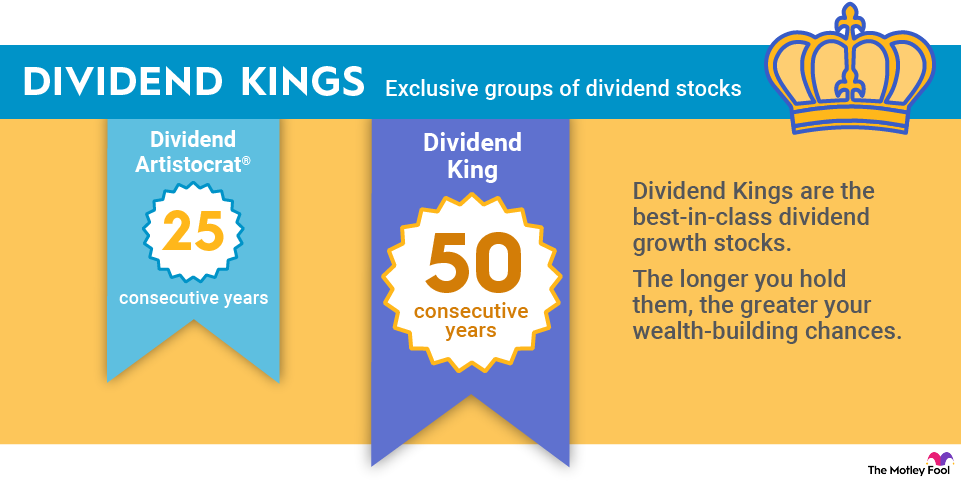
- Dividend Guidance -- 4% to 6% annual growth projected through 2030, marking 52 consecutive years of dividend increases.
- Tilbury LNG Phase 1B -- $2 billion in total regulated rate base investment approved by the provincial government, with construction expected to start in 2027.
- Tilbury Timeline -- 2031 targeted in-service date for the Phase 1B expansion, which includes a marine jetty and liquefaction facility.
- ITC Transmission Investment -- USD 3.3 billion to USD 3.8 billion of investment expected beyond 2030 for MISO Tranche 2.1 projects.
- Arizona Generation Investment -- USD 1.5 billion to USD 2 billion estimated for new generation capacity to support potential data center expansion.
- Data Center Load -- 300 megawatts of capacity under negotiation for an incremental load at TEP, with potential expansion to 600 megawatts.
- Arizona Load Pipeline -- 8 to 10 gigawatts of potential data center demand currently in the queue in Arizona.
- Decarbonization Progress -- 38% reduction in Scope 1 greenhouse gas emissions through 2025 compared to 2019 levels.
- Long-term Debt Issuance -- $2.1 billion of long-term debt issued by utilities in the first half of 2026 to fund growth initiatives.
- Roadrunner Reserve Project -- 200-megawatt battery storage system placed in service at TEP in June, capable of serving 42,000 homes.
- British Columbia Rate Benefits -- 1.5% rate benefit provided to customers since 2024 from LNG sales into the marine fueling market.
- Eagle Mountain Pipeline -- 1.5% expected rate benefit for customers once the project is complete and in service.
- ITC Earnings Contribution -- $0.02 EPS increase resulting from rate base growth, partially offset by higher finance costs and stock-based compensation.
- UNS Energy Earnings Contribution -- $0.02 EPS increase driven by higher retail electricity sales and warmer weather.
- TEP Rate Case -- 9.75% return on equity requested in the general rate application, with a final decision expected by Nov. 17.
- Foreign Exchange Impact -- $0.01 unfavorable impact on quarterly earnings per share due to currency fluctuations.
- Dividend Reinvestment Plan Impact -- $0.01 unfavorable EPS impact resulting from a higher weighted average of shares issued.
Need a quote from a Motley Fool analyst? Email [email protected]
RISKS
- Perry stated, "regulatory lag associated with rate base growth not yet reflected in customer rates," as a factor moderating earnings growth at UNS Energy.
- Perry noted that "lower margin on wholesale sales" and the timing of operating costs tempered year-to-date results in Arizona.
- Hutchens stated, "the project remains subject to certain regulatory approvals and permitting requirements," regarding the timeline for the Tilbury LNG expansion.
SUMMARY
Management reported steady progress on the regulated growth strategy, highlighted by $2.7 billion in year-to-date capital investments and the regulatory approval of the Tilbury LNG expansion. The company maintained its dividend growth guidance of 4% to 6% through 2030 while advancing major infrastructure projects across its North American utilities. Financial results were primarily driven by rate base growth and favorable weather conditions in Arizona, despite headwinds from higher finance costs and regulatory lag in certain jurisdictions.
- CEO Hutchens noted that the Tilbury 1B expansion "positions the Port of Vancouver as a leading LNG marine fueling hub" and supports the transition to lower-emission fuels.
- Regarding data centers, CEO Hutchens stated, "these data centers have to cover their own costs and then some," ensuring no cost shift to existing residential customers.
- Krista Tanner reported that ITC is currently managing a pipeline of approximately 8 gigawatts of additional load and is prioritizing sites that require fewer transmission upgrades.
- Susan Gray indicated that TEP adjusted its return on equity request to 9.75% in the ongoing Arizona rate case, aiming for a final decision by December implementation.
- The company finalized an equity partnership with the Musqueam Indian Band for the Tilbury expansion, though specific ownership percentages remain confidential.
- Management expects to release an updated five-year capital plan and a corresponding funding strategy alongside third-quarter financial results.
INDUSTRY GLOSSARY
- Rate Base: The value of property on which a utility is permitted to earn a specified rate of return as established by a regulatory authority.
- OIC (Order in Council): An administrative order issued by a provincial cabinet to approve specific regulatory or infrastructure developments.
- AFUDC (Allowance for Funds Used During Construction): A non-cash accounting item representing the estimated cost of debt and equity funds used to finance construction projects.
- MISO (Midcontinent Independent System Operator): A regional organization that manages the electricity grid and wholesale power markets across parts of the United States and Canada.
- IRP (Integrated Resource Plan): A roadmap created by a utility to meet future electricity demand through a mix of generation, transmission, and conservation.
- Scope 1 Greenhouse Gas Emissions: Direct emissions from sources that are owned or controlled by the company.
Full Conference Call Transcript
Operator: Thank you for standing by. This is Chuck, the conference operator. Welcome to the Fortis Inc. Second Quarter 2026 Results Conference Call. [Operator Instructions] The conference call is being recorded. [Operator Instructions] I would now like to turn the conference over to Ms. Stephanie Amaimo, Vice President, Investor Relations. Please go ahead, Ms. Amaimo.
Stephanie Amaimo: Thanks, Chuck, and good morning, everyone. Welcome to Fortis' Second Quarter 2026 Results Conference Call. I'm joined by David Hutchens, President and CEO; Jocelyn Perry, Executive VP and CFO; other members of the senior management team as well as CEOs from certain subsidiaries. Before we begin today's call, I want to remind you that the discussion will include forward-looking information, which is subject to the cautionary statement contained in the supporting slide show. Actual results can differ materially from the forecast projections included in the forward-looking information presented today. Non-GAAP financial measures referenced in our prepared remarks are reconciled to the related U.S. GAAP financial measures in our second quarter 2026 MD&A.
Also, unless otherwise specified, all financial information referenced is in Canadian dollars. With that, I will turn the call over to David.
David Hutchens: Thank you, and good morning, everyone. During the first half of the year, our utilities continued to provide safe and reliable service while advancing our regulated growth strategy. Through June, we invested $2.7 billion in our systems and delivered earnings per share in the second quarter of $0.78. More recently, we secured a milestone for a significant opportunity above and beyond our 5-year capital plan with the receipt of an Order in Council that supports the expansion of our Tilbury LNG facility in British Columbia. Today, we also released our 2026 sustainability report, highlighting our progress to decarbonize our energy mix, including a 38% reduction in our Scope 1 greenhouse gas emissions through 2025 compared to 2019 levels.
With nearly half of our annual capital plan invested through June and our major capital projects tracking well, we remain on pace to invest $5.6 billion in 2026. In June, the second Roadrunner Reserve battery storage project was placed in service at TEP. This 200-megawatt energy storage system facilitates the integration of renewables into the grid with the capability to store 800-megawatt hours of energy, enough to serve 42,000 homes for 4 hours when deployed at full capacity. With our capital plan on track, we continue to expect average annual rate base growth of 7% through 2030.
Last week, FortisBC received an Order in Council from the province of British Columbia, approving a larger Phase 1B expansion of the Tilbury LNG facility, allowing total investment of approximately $2 billion in regulated rate base. We currently have approximately $350 million in our current 5-year plan. The OIC also provides the approvals required to implement an equity partnership with the Musqueam Indian band and includes regulatory mechanisms to smooth the cost of recovery in the early years of the project. The Tilbury 1B expansion supports LNG marine fueling services and promotes jobs and economic growth in the province.
The project positions the Port of Vancouver as a leading LNG marine fueling hub and supports the transition to lower emission marine fuels. This is an exciting opportunity, and FortisBC will now proceed to develop and refine project cost estimates, which will be reflected in our next 5-year capital plan expected to be released with our third quarter results. While the project remains subject to certain regulatory approvals and permitting requirements, construction could start as early as mid-2027 and be in service as early as 2031. As for other opportunities above and beyond the plan, our teams continue to make steady progress. At ITC, the MISO long-range transmission projects associated with Tranche 2.1 are advancing.
As we have noted in the past, ITC expects USD 3.3 billion to USD 3.8 billion of investment beyond 2030 for projects that have been awarded and are not subject to competitive bidding. For the Iowa Tranche 2.1 project subject to a competitive process, ITC has submitted bids for 2 opportunities with MISO expected to award the projects in the fourth quarter. At TEP, negotiations continue with the data center customer for an incremental 300 megawatts of capacity to support a potential build-out of 600 megawatts at the first site.
TEP is also in active negotiations for additional capacity at a second site in the range of 500 to 700 megawatts and is continuing to engage with other large customers for additional growth opportunities. If agreements are finalized for these subsequent phases, we estimate that new generation investment in the range of USD 1.5 billion to USD 2 billion would be required. In Arizona, TEP and UNS Electric expect to file new integrated resource plans with the ACC in the fall. The IRPs will support increasing energy needs while taking into account clean, reliable and affordable energy solutions.
The IRP will include a high-growth scenario that evaluates the impacts of potential incremental data center load beyond the 300 megawatts currently approved as well as the clean energy build-out scenario. Our utilities continue to prioritize capital investments focused on operational need and customer bill impacts. As we highlighted last quarter, both ITC and UNS are great examples of how load growth and cost-effective capital projects can benefit customers. Adding to the discussion, continued growth of the LNG markets is also expected to provide rate benefits for customers in British Columbia. First, sales of LNG into the growing marine fueling market associated with our current Tilbury 1A facility have provided a rate benefit for customers of approximately 1.5% since 2024.
The further expansion of FortisBC's Tilbury 1B facility is expected to build on this rate benefit. Additionally, increased demand served through the Eagle Mountain Pipeline project will increase the utilization of FortisBC's gas system and once complete and in service, is expected to provide a rate benefit of approximately 1.5%. Overall, through operational efficiency, disciplined capital planning and innovation, Fortis utilities continue to be laser-focused on finding better ways to reduce costs and support customer affordability. Our dividend remains a core component of our investment thesis. We have demonstrated that we can grow our dividend responsibly, having increased it for the past 52 consecutive years while maintaining a disciplined approach to balance sheet strength.
Looking ahead, we remain confident in our 4% to 6% annual dividend growth guidance through 2030, supported by our regulated growth strategy. Now I will turn the call over to Jocelyn for an update on our second quarter financial results.
Jocelyn Perry: Thank you, David, and good morning, everyone. For the quarter, we reported net earnings of $396 million or $0.78 per common share, an increase of $0.02 compared to the second quarter of last year. At ITC, EPS increased by $0.02, largely due to continued capital investment and related rate base growth, partially offset by higher finance costs and stock-based compensation expense. UNS contributed a $0.02 increase driven by higher retail electricity sales, including the impact of warmer weather. This increase was moderated by the timing of operating costs as well as regulatory lag associated with rate base growth not yet reflected in customer rates. Our Western Canadian utilities increased EPS by $0.01, largely driven by capital investment.
The Corporate and Other segment reflects unrealized losses on foreign exchange contracts, higher finance costs and lower earnings due to the disposition of Fortis Belize in the fourth quarter of 2025, partially offset by the timing of income tax recoveries. While not shown on the slide, results at Central Hudson were consistent with the second quarter of 2025 as rate base growth was offset by the timing of quarterly revenue. Earnings for our Other Electric segment were also comparable quarter-over-quarter as earnings growth in the segment was offset by the impact of the FortisTCI disposition completed in the third quarter of last year.
Foreign exchange had a $0.01 unfavorable impact for the quarter and higher weighted average shares issued under our dividend reinvestment plan impacted EPS by $0.01. On a year-to-date basis, earnings were $897 million or $1.76 per common share. Results year-to-date were mainly driven by the same factors discussed for the quarter with a few additional items to note for Central Hudson and UNS Energy. For the 6-month period, Central Hudson was up $0.03, primarily due to rate base growth and the timing of operating costs. At UNS, EPS was down $0.03 as higher retail sales were tempered by lower margin on wholesale sales, the timing of operating costs and the regulatory lag for rate base growth not yet in rates.
For the first half of 2026, our utilities issued $2.1 billion of long-term debt and our funding plan remains on track. As we have noted in the past, our capital plan is expected to be funded largely from cash from operations, utility debt and our dividend reinvestment plan. In May, S&P confirmed our A- issuer and BBB+ unsecured debt credit ratings and stable outlook, and Fitch also confirmed the corporation's BBB+ issuer and unsecured debt credit ratings and stable outlook. Overall, our liquidity position and our funding plans support our investment-grade credit ratings.
As Dave mentioned, we expect to release our new 5-year capital plan on our third quarter earnings call, and we will address our new funding plan at that time. On the regulatory front, the TEP general rate application continues to progress. During the quarter, hearings concluded and the administrative law judge issued an extension of the procedural schedule such that a final decision on the rate case be issued by November 17. That concludes my remarks. I'll now turn the call back to David.
David Hutchens: Thank you, Jocelyn. In closing, we have delivered a strong first half while maintaining our focus on what matters most, operating our utilities safely, reliably and affordably. Our two-pronged focus on execution is clear with our annual capital plan on track and our advancement of opportunities above and beyond the plan. Backed by a disciplined strategy and a diversified regulated portfolio, we remain confident in our ability to deliver on our rate base and dividend growth outlook through 2030. That concludes my remarks. I will now turn the call back over to Stephanie.
Stephanie Amaimo: Thank you, David. This concludes the presentation. At this time, we'd like to open the call to address questions from the investment community.
Operator: [Operator Instructions] And our first question for today will come from Maurice Choy with RBC Capital Markets.
Maurice Choy: As you know, I probably would like to see BC take the spotlight here. So maybe my first question, if you could help unpack the next steps for Tilbury 1B and also an update on the bigger Tilbury Phase 2. I appreciate that. And presumably, Phase 2 also has some great benefits for our customers over and above all the other ones.
David Hutchens: Yes. Thanks, Maurice. And Roger has been waiting for this question. So I'm going to turn it right over to Roger, our CEO of FortisBC. Roger?
Roger Dall’Antonia: Thanks, David. Thanks for the question, Maurice. Maybe I'll try to anticipate some of the other questions as well. Starting with Tilbury 1B. The project itself with the order and council from the government really has 3 components. It's the marine jetty, the liquefaction expansion as well as 230 kV power line to provide power for the electric drive liquefaction. Those 3 components are covered by the OIC. The next steps, we're still assessing and designing plans to address the conditions that came out of the environmental assessment certificate that the provincial and federal government provided to us in 2024. Then designing the liquefaction and power needs for the TLSE.
So that's going to start in earnest with the hope that we'll be in construction for TLSE -- or sorry, for Tilbury 1B sometime in 2027. We are also finalizing agreements with the Musqueam on their equity investment. The percentage that they may take is confidential at this point, but we're working on finalizing the limited partnership agreement that will allow them to have a direct equity investment in this project. For Tilbury 2, as a reminder, there's 2 components to Tilbury 2. The first is the Tilbury storage tank that's replacing the existing -- one of the existing tanks at Tilbury that was built and commissioned in 1971.
As that facility is basically end-of-life Tilbury Storage Expansion, which we received BCUC approval in 2025 for. Once the EA is approved, we'll start the process for construction on that. That doesn't come with direct rate benefit. It really is primarily resiliency, but the size of the tank up to 3 Bcf from what the current facility is about 0.6 Bcf, there will be some gas supply benefit where we can manage summer, winter gas cost differentials. We will be able to expand our gas supply capabilities on system. The rest, though, is really just resiliency for system disruption and peak weather events. Tilbury 2 also has up to 2.5 million tonnes per annum of liquefaction. That is further out.
If that does get built, that would be designed with rate benefit, but it's too early to understand what those rate benefits might be. Hopefully, that answers the questions.
Maurice Choy: Maybe just a quick follow-up. Just timing as to when these projects might be sanctioned?
Roger Dall’Antonia: For Tilbury for the Tilbury 2 projects, the EA is expected later this year. We are in the mandated, I think, 151-day review period, and that is going to end sometime in Q4, and then it will be referred to cabinet. And at that point, there's a 30-day time frame for cabinet to approve the environmental assessment certificate. So that timing holds and there's no additional process requested by the Environmental Assessment Office, we should see decision for Tilbury 2, both the storage tank and the added liquefaction later this fall.
Maurice Choy: Understood. And if I could finish off in Arizona. There continues to be, I guess, selective data center opposition in the U.S. And I know that you highlighted some rate benefits in one of your slides. But at TEP, have you more recently witnessed any change in how your customers approach your negotiations, whether that be the pace, whether it be the terms and so on and so forth?
David Hutchens: Yes. Obviously, there has been a bit of pushback in data centers across the U.S. in general for various reasons. I think one of the stories our industry wasn't really pushing as well as it should have been is the rate benefit that these types of projects can have for our customers. That's the message that we're trying to get out in Arizona and anywhere else we can as is everyone else, including data center developers because there is a really good positive story, as you can see in our deck, that customer rate benefit that we see just -- and that's just from the first phase of Project Blue.
But the customers, as in the data center customers themselves are very aware of making sure that we get the right design and are obviously willing and able to make sure that they -- and there's been all kinds of conversations and pledges, et cetera, at every level in government and whether it's federal, local and with utilities and the data centers and hyperscalers themselves, we're all on the exact same page to make sure that there is no cost shift or allocation of the costs that are needed to build and serve those customers that get shifted to the other customers.
Everybody is on the same page that these data centers have to cover their own costs and then some. That's the benefit -- that's where we get that -- and then some is the part that gives us the benefits that we see to lower the rest of the customers' rates by them sharing an actual large portion of the overall system fixed cost by the usage that those data center customers have. The message is, we all have the same message. We're just making, it's a bit hard to get people to listen to it.
Operator: The next question will come from Ben Pham with BMO.
Benjamin Pham: I know you mentioned that your expected refresh of the CapEx plan in the fall. Could you talk about maybe if there's any potential to look beyond the 5-year plan to maybe look at a longer horizon, just thinking about this Tilbury expansion going through 2031. You got the ITC transmission opportunity and just also seems like your backlog is also more visible than it has been versus last year.
David Hutchens: Yes, Ben, obviously, from a planning perspective, and there's a lot of things that we do that extend beyond the 5-year period. The integrated resource plans are a prime example, the LRTP projects. There's a lot of things, obviously, that we look at longer term. But just given how those types of forecasts tend to diverge and have quite a wide error bars when you get past the 5-year period, it would really be tough to be able to put out a 5-year, say, capital plan -- or more than a 5-year capital plan without having a whole bunch of caveats.
We kind of want to stick with that -- and I wouldn't say 5 years is a short time period by any means. But we know that's why we try to provide the color around what's going on within our portfolio and that above and beyond the plan conversation and try to break those into things that we see within the next 5 years, things that we could essentially add to the existing 5-year capital plan, but more importantly, things that extend that growth in beyond the 5-year plan. We try to give color around that. But to lay out numbers that far, I don't know if that would be all that beneficial.
Benjamin Pham: Got it. Going back to Tilbury expansion, and if you can maybe quantify or maybe attempt to think about this is, you got enough time to think about the impact on the balance sheet as well, you put the CapEx in there. I know the First Nations piece is still TBD, but in a range of scenarios you look at, does it contemplate potentially ATM?
Jocelyn Perry: Ben, this is Jocelyn. Thanks for the question. Yes, Tilbury will be wrapped up with our whole look at the 5-year plan. And so we'll -- no doubt, this is putting good pressure on the amount that we're spending. But we need to firm up the time for Tilbury in particular, and when and how these investments will be coming into play. We'll look at all funding options available to us with the aim is to keep our credit metrics in check. That's something that we're going to be taking a deeper dive on in the fall.
Operator: The next question will come from Mark Jarvi with CIBC Capital Markets.
Mark Jarvi: I know we're going to get the CapEx refresh. But just on the Tilbury project, anything you can kind of indicate in terms of the profile of the CapEx? Is there material amounts before 2030? Or is most of this coming in the early 2030?
David Hutchens: Yes. Yes, we haven't put that together yet. Obviously, there is a shape to the CapEx spend that kind of typically on large projects will start out slowly and ramp up over time. As I mentioned in the remarks, we could see this online as early as 2031. As we spend capital, remember, we also get AFUDC on these projects as well. There's a whole lot of modeling that still has to be done. But when we get that shape in there, we'll let you know. That kind of goes to that prior question, shape of capital matters too, not just the overall size of the capital plan.
Mark Jarvi: Understood. And just in the last couple of days, some positive commentary from large load with the Michigan LDCs and Alliant?as well in Iowa. Just your view in terms of any updated views on ITC conversations with the local distribution companies in terms of accelerated investments to facilitate large loads in those regions?
David Hutchens: Yes. Krista, you want to address that? She's obviously very close to those conversations with our largest customers, which happen to be CMS, DTE and Alliant. So Krista?
Krista Tanner: Yes. Yes, we remain very optimistic, having really positive conversations with the large data centers. We are working hand-in-hand with the customers that you just noted because, of course, transmission can take a long time. So we're at the table with them. At this point, we don't -- everything that we've announced publicly, we have, and we're just sticking to that approximately 8 gigawatts of additional load in our queue. Of course, that doesn't mean it all come to fruition, but that's really what's in our pipeline that's not -- we haven't yet finalized.
Mark Jarvi: So most of this would be the loads we're trying to site where they can use existing transmission generation? Or is there a view that there's some upgrades required just given the speed to power demand for some of these customers?
Krista Tanner: Yes. There's not really a rule of thumb for transmission. We're seeing when we get a large load, it can be anywhere from $10 million to $100 million, right? But we are -- because of what you just said, speed to power, we are moving them. We are working hard to direct them to places where we need fewer upgrades because they need to be on 2 years or less and a new line would take much more than that, obviously. So from our point of view, we are really directing them to where there are fewer upgrades needed, which still provides a benefit to us in terms of the rate relief for our customers.
Operator: The next question will come from Mike Lonegan with Barclays.
Michael Lonegan: So on the TEP rate case, there was obviously a change in the procedural schedule for a decision after the November election. Just wondering how you're feeling about this and the rate case more broadly coming out of the hearings that happened in May?
David Hutchens: Yes. We're feeling good. I'll turn it over to Susan to give a little color from Arizona. But I think we definitely were not surprised to see that the open meeting or the final decision on the TEP rate case to be slid a little bit given the November elections. Susan, do you want to provide a little color on where we stand?
Susan Gray: Yes, sure. Thanks for the question, Mike. Yes. So as Dave mentioned, we are expecting a recommended opinion and order from the judge to come out fairly soon. As we've just filed briefings. I think we're pretty close on a lot of the issues, particularly in alignment with staff, ACC staff. We were apart on ROE and in our recent filing, TEP came down to 9.75%, which is now a 10.2% increase that we're asking for. That's the impact of changing the ROE. I think we are optimistic that the judge will include the ARAM, the formula rate. I think there were some varying opinions on what the dead band should be.
But overall, I think the design of the ARAM is likely going to look a lot like what we got for UniSource Gas. I think we'll know more as the briefings have just come out and then the judge's recommended opinion in order. We expect to get a decision probably in November with an implementation date in December. So I think we're wrapping up pretty closely here to be done by the end of the year.
Michael Lonegan: And then sticking with Arizona, obviously, you talked about the Project Blue data center and the expansion opportunity there, the $1.5 billion to $2 billion of opportunity. Just wondering if you could talk more about your pipeline beyond this in the state, where you stand with that opportunity? And anything you could share there would be helpful.
David Hutchens: Go ahead, Susan.
Susan Gray: Yes. So when you talk about pipeline, I assume you're talking about the gas pipelines.
David Hutchens: He is talking about the pipeline of projects like we've got the Project Blue, but what's behind them?
Susan Gray: Sure. Yes. We still have 8 to 10 gigawatts of data center pipeline in our queue, but we also have the Hermosa Mine that's coming online. Copper World is probably in the latter part of our 5-year plan. Then we've got some other manufacturing and other -- even some existing customers that are growing. It's not all data center growth in Tucson. There's kind of a wide variety of opportunities that we're seeing.
Operator: [Operator Instructions] Our next question will come from Eli Jossen with JPMorgan Securities.
Elias Jossen: Maybe sticking with Arizona, I just wanted to shift to the political landscape. Obviously, we saw a primary outcome just a few days ago. I just wanted to kind of get your thoughts there, if there was any surprise and whether or not that would impact your overall kind of regulatory strategy within the state?
David Hutchens: Yes, I'll take that one, Susan. I mean, I still spend a lot of time in Arizona, so I'm pretty up to speed on the politics there. I mean I don't know, I wouldn't call it a surprise. I mean there's -- when there's 3 folks running for 2 seats, and in a primary, it's hard to call which way that would -- that will split. It doesn't matter to us from a regulatory strategy perspective. We'll see how the general election turns out as well. But in the end, this is 2 of the 5 commissioners that are up.
Even a complete change in commissioners, a complete turnover there would still have 3 that we've known and built relationships with over these past couple of years or several years in some of the commissioners' cases. We don't change our regulatory strategy based on election. We work with the regulators that are in those roles and work to push for a good and solid policy that helps us support the things that matter most to our customers. That doesn't change from election to election.
Elias Jossen: Got it. And I know there's been a lot of discussion on Arizona, but maybe just last question on the IRP. We know that we have that time line in October for the filing. Can you just remind us sort of the range of outcomes that we can expect coming out of that IRP and how that affects sort of the opportunity set that you have in Arizona?
David Hutchens: We don't really have a range of outcome yet other than one from the old IRP that -- so we really are waiting for the results of this. Then, of course, we run a whole bunch of different scenarios in this process, pick one as kind of the recommended portfolio for filing with the commission, obviously, with the rest of the scenarios as well. But at the end of the day, that's when we start looking at what that scenario looks like, whether or not it gets through the process with the Corporation Commission and then we start. We'll be penciling in some of those investment opportunities as we go through this process and start communicating those at that time.
Right now, we haven't released all of the scenarios and what those look like, but those will be released, and it's something that folks can see. I mean it will be more on a very high level kind of revenue -- net present value revenue requirement for those portfolios, but it will show the investments that are needed and what years those are needed. It will provide some of the data for folks like you all on the call to do some back of the envelope and see what would be needed in those different time frames.
Operator: This concludes our question-and-answer session. I would like to turn the conference back over to Ms. Amaimo for any closing remarks. Please go ahead.
Stephanie Amaimo: Thank you, Chuck. We have nothing further at this time. Thank you, everyone, for participating in our second quarter conference call. Please contact Investor Relations should you need anything further, and have a great day.
Operator: This brings a close to today's conference call. You may disconnect your lines. Thank you for your participation, and have a pleasant day.