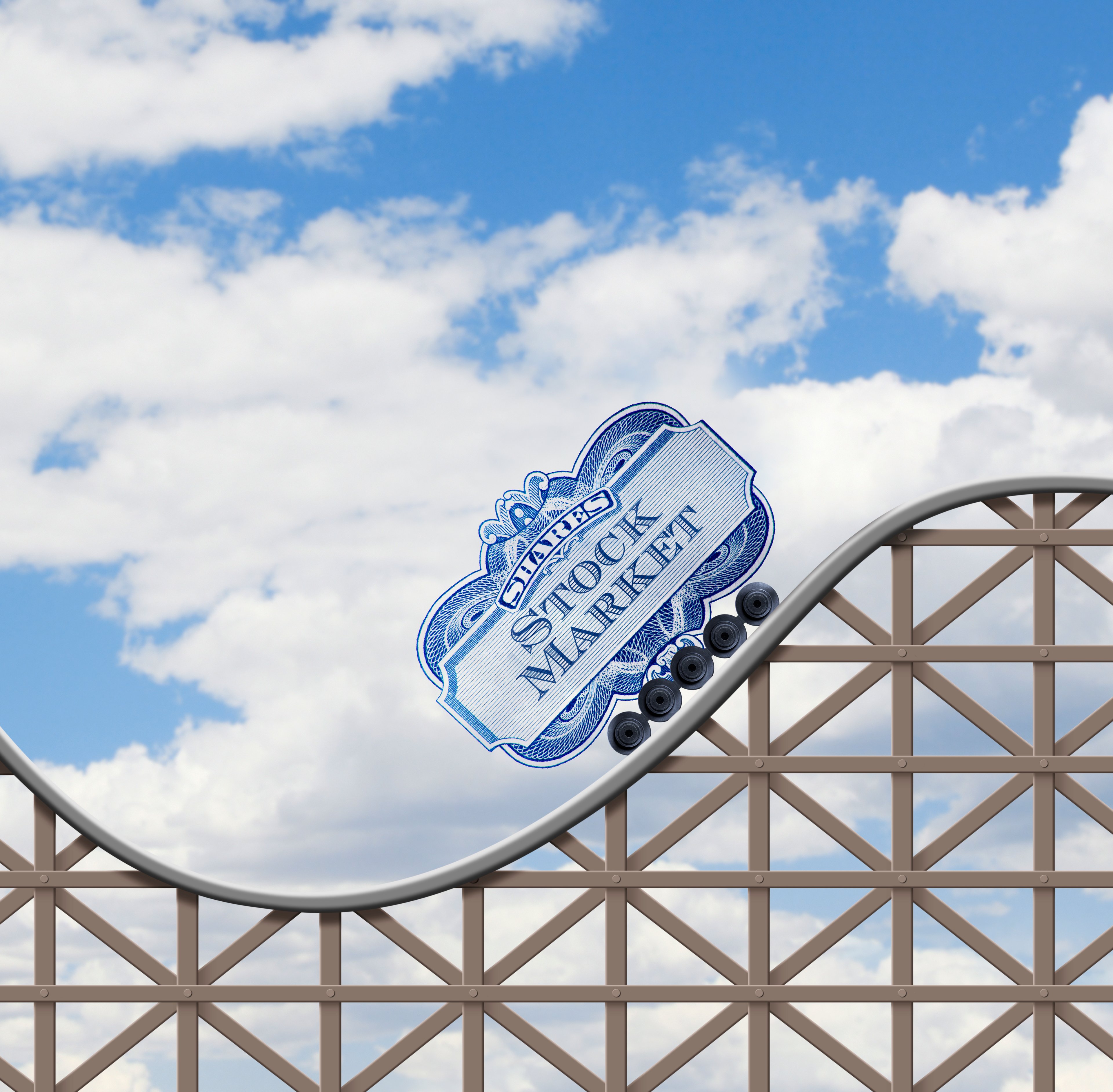
In typical fashion, shares of Tesla (TSLA -1.54%) have exhibited extreme levels of volatility, swerving between lanes of pessimism and optimism. But through its wild ups and downs, the top purveyor of electric vehicles (EVs) has performed well in 2025. Shares are up 22% this year (as of Dec. 22), and they trade near record levels.
The automotive disruptor is in the early innings of some huge projects that could reshape its entire financial picture. But there are strong arguments on both the bull and bear sides of the debate here. So, should you buy this EV stock before 2026?
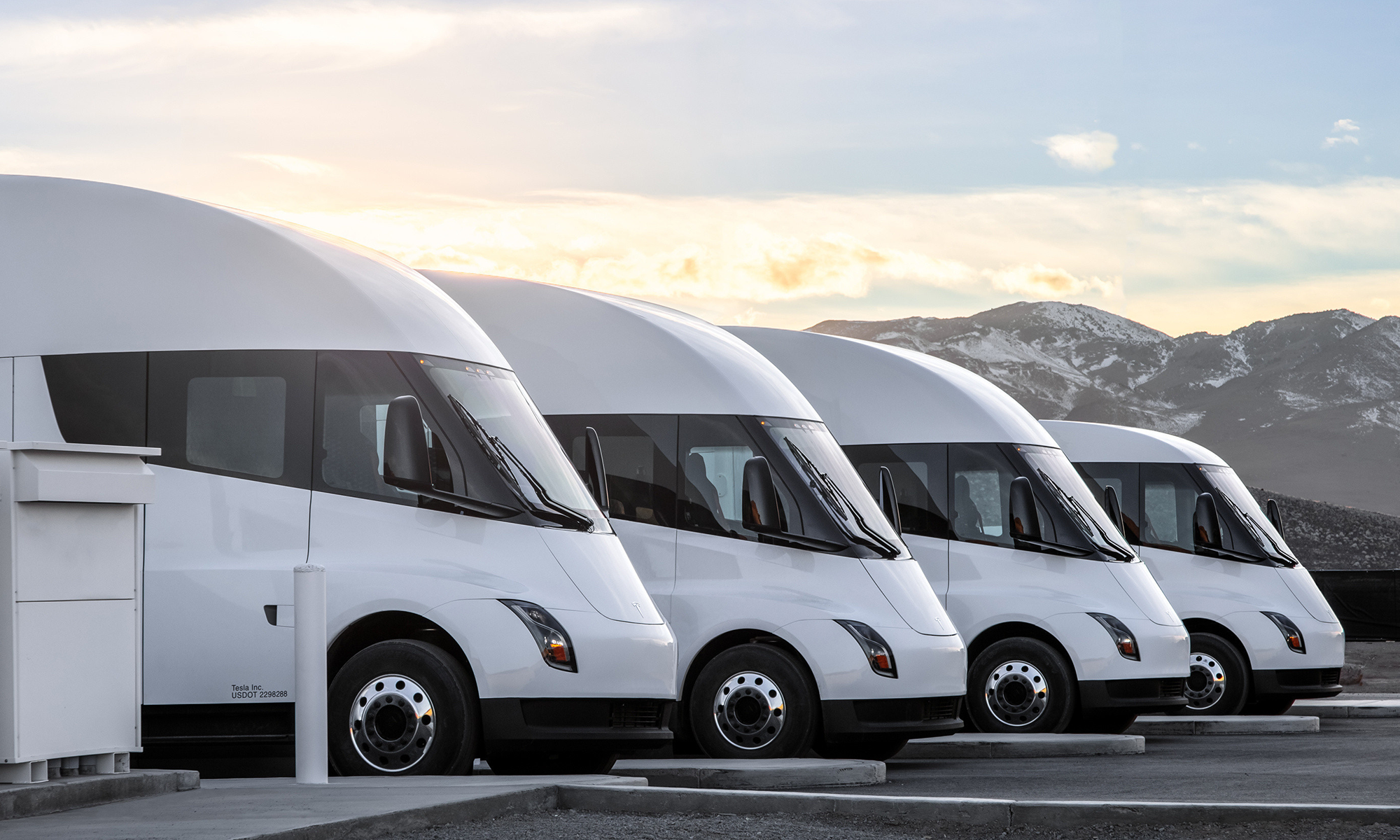
Image source: Tesla.
Tesla is working on innovations that could provide a long-term financial boost
Autonomous driving technology is the project that investors are most focused on. Tesla has a history of overpromising and under delivering -- not only on the capabilities of its full self-driving (FSD) technology, but also on the timeline of when features will be launched.
The business took a step forward in June, when its robotaxi ride-hailing service started in Austin, Texas, even though it was in a very limited and restricted capacity. Tesla's robotaxis are also in the San Francisco Bay Area, and there are plans to enter a handful of new cities in 2026.
Elon Musk said on the second-quarter 2023 earnings call that its robotaxi service could have "quasi-infinite" demand. Obviously, the total addressable market is huge, as people all over the world need to get from point A to point B.

NASDAQ: TSLA
Key Data Points
Tesla believes that as costs come down and safety improves, most people won't need to buy their own cars anymore. And that could bring high-margin revenue from its FSD software on a global level, both from a dedicated company-owned robotaxi fleet and from customers who choose to let their EVs be used in the ride-hailing service.
The company is also focused on expanding production of its humanoid robot, known as Optimus. The goal is to boost the annualized output to 1 million of these by the end of next year. Besides handling certain tasks in factory settings, these machines can have consumer applications.
Again, Musk isn't shy when it comes to his forecast; he believes that robotics will one day represent 80% of his company's market value.
The market is exuberant over this struggling car company
The EV company has never traded in line with its automotive peers. The stock has a price-to-earnings ratio (P/E) of 329. Detroit automakers Ford Motor Company and General Motors trade at P/E multiples of 12 and 17, respectively. And supercar luxury brand Ferrari can be purchased at a P/E of 38. So Tesla is on another planet.
The market's excitement shows just how convinced investors are that Musk's company will make good on its promises, namely that its FSD software and its robots can drive unprecedented financial success at some point down the road This could happen, but no one has any idea when.
At the current valuation, Tesla isn't a smart buying opportunity before the calendar turns to 2026. Investors would be paying a nosebleed P/E for a struggling business. Automotive revenue gains have disappointed, and profit margins have been dwindling.
There are notable headwinds getting in the way. The EV market is more crowded these days, making it harder for Tesla to stand out. In the U.S., the end of the $7,500 tax credit for EVs can also definitely pressure demand, forcing consumers to think if paying up for one is worth it.
The market for Tesla's vehicles has exhibited slower growth recently than industry experts had hoped for. Perhaps we're past the phase of early adopters rapidly buying EVs, a group that was easy to sell to. The next chapter of growth could be more difficult to come by since it can be challenging to convince certain consumers to make the switch from gas-powered or hybrid vehicles when the experience or the economics aren't as compelling.