Novo Nordisk's (NVO +2.97%) shareholders must be happy to see 2025 finally come to a close. It was not a good year for the pharmaceutical giant. It encountered several setbacks, greater competition within its core therapeutic area, and slowing growth for its top growth drivers, Ozempic and Wegovy.
Thankfully, 2026 could be a much better year for the Denmark-based drugmaker. Let's consider two tailwinds that could help Novo Nordisk throughout the year.
1. New approvals will matter
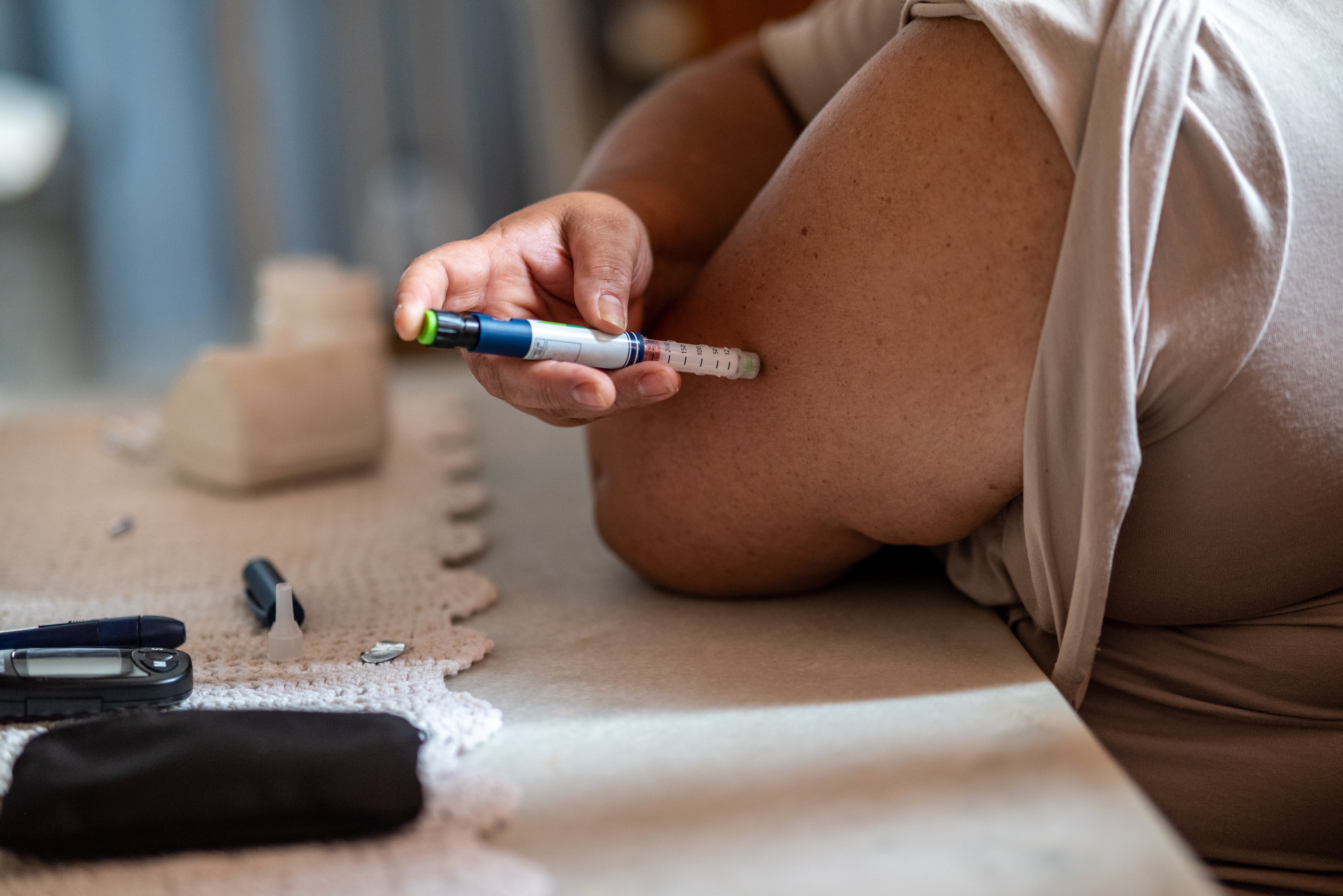
Despite all the troubles it encountered in 2025, Novo Nordisk also secured some significant wins. Notably, the company earned label expansions for certain products. Its weight management medicine, Wegovy, is now approved for metabolic dysfunction-associated steatohepatitis (MASH). An oral version of the medicine has also been approved for weight loss. And a higher-dose version of Wegovy is also under review.

Image source: Getty Images.
These are meaningful additions that should boost Wegovy's sales and move the needle for the company. Take Wegovy's MASH indication. Until it received approval from the U.S. Food and Drug Administration (FDA), there was only one approved medicine for MASH: Madrigal Pharmaceuticals' (MDGL +1.98%) Rezdiffra, which earned approval in 2024. In the third quarter of 2025, Rezdiffra generated $287.3 million -- giving it an annual run rate well into blockbuster territory. Yet Wegovy proved comparable to Rezdiffra in clinical trials.
Furthermore, Novo Nordisk is a far larger company with more funds and a larger sales and marketing budget compared to smaller peers such as Madrigal Pharmaceuticals. And MASH is a severely underserved area; in the U.S., it affects millions of patients. All these factors suggest that Wegovy has the potential to generate sales exceeding $1 billion for this indication. It may not reach its peak in 2026, but it will make progress.
We can say the same about the medicine's oral formulation, which became the first of its kind to receive approval for weight loss. Here too, there is a vast market, as many patients will opt for daily pills over weekly injections. Novo Nordisk's top-line growth could improve slightly next year as a result of these developments.

NYSE: NVO
Key Data Points
2. Pipeline progress to watch
Novo Nordisk is looking to regain some ground in the GLP-1 market, after losing market share this year to Eli Lilly. The recent approvals could help, but Novo Nordisk will also bank on ongoing pipeline candidates to eventually move the needle.
One of the more promising products the company is working on is called amycretin. This candidate's appeal lies in its ability to mimic the actions of two gut hormones, GLP-1 and amylin, both of which play multiple roles in regulating satiety and blood sugar levels. The investigational weight loss and diabetes medicine is currently in phase 3 studies, for both subcutaneous and oral formulations. We should see interim data sometime next year.
Several other candidates in Novo Nordisk's arsenal could make some noise in 2026. That includes UBT251, an investigational triple agonist -- a medicine that mimics the action of three gut hormones. While it's still early in its development, strong progress here (and elsewhere) could jolt Novo Nordisk's stock.
Is Novo Nordisk a buy?
In my view, the worst is in the rearview mirror for Novo Nordisk. After poor financial results (by its lofty standards), clinical setbacks, and government drug-price negotiations, things could finally start to break its way. In the next few years, we can expect Wegovy and Ozempic to still generate strong sales while the Denmark-based drugmaker secures at least a couple of brand-new launches, including that of CagriSema, a GLP-1 medicine for which it recently requested approval.
Meanwhile, Novo Nordisk's shares remain reasonably valued -- trading at around 14 times forward earnings compared to the average of 18.4 for the healthcare sector. That makes the stock worth buying today.