Is SES AI (SES +0.00%) the real deal? More importantly, should you invest $1,000 into the high-risk, high-reward stock?
Let's take a look at the potential opportunity and upcoming challenges facing the Massachusetts-based, battery-focused artificial intelligence (AI) company.
Combining battery innovation and AI
SES AI specializes in utilizing AI to accelerate the discovery, development, and manufacturing of lithium-metal batteries. The batteries have use cases in transportation, storage, robotics, drones, and more, according to the company.
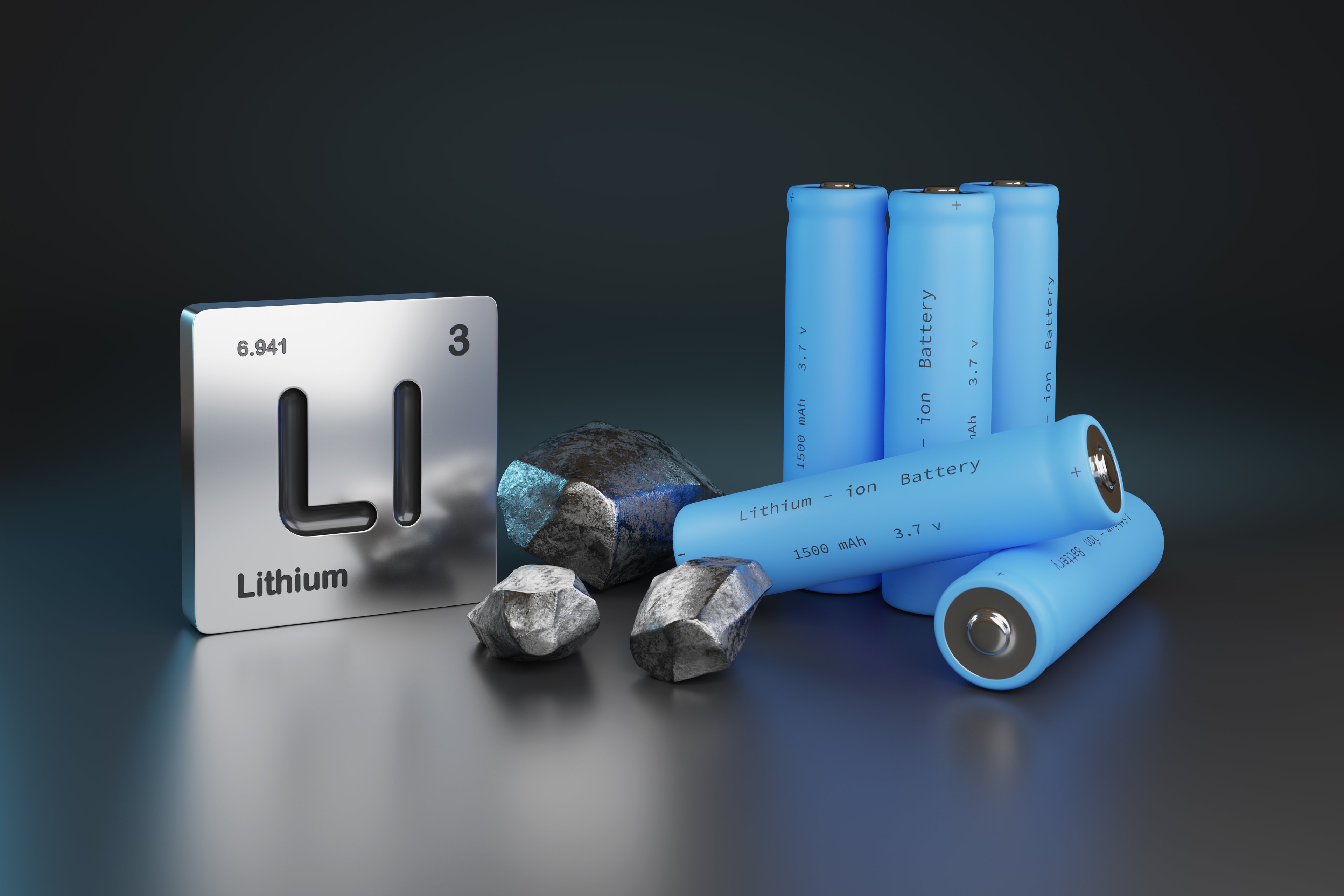
Image source: Getty Images.
The bull case for SES AI is that revenue is growing. In its last earnings report, the company increased its 2025 revenue guidance upward to $20 million to $25 million. In 2025, SES AI launched its service platform, Molecular Universe, which is a comprehensive database of small materials. The goal is for this software to accelerate the discovery and evolution of battery materials across various industries.
The total addressable market for battery innovations could exceed $500 billion by early next decade, according to analysis from the International Energy Agency (IEA) think tank. There is plenty of market to capture for SES AI.
An expensive and speculative industry
The bear case for SES AI is that the company has a high cash-burn rate. In the third quarter of 2025, SES AI generated more than double its revenue, reaching $7.1 million, but still posted a net loss of $20.9 million. SES AI also has $214 million in liquidity, which sounds great, but the AI company's operating expenses exceeded $75 million through the first nine months of 2025.

NYSE: SES
Key Data Points
The stock fluctuates largely based on market AI sentiment. SES AI has remained relatively flat over the past 12 months, with a few notable spikes in volatility throughout the year.
If investing $1,000 into a higher-risk company like SES AI is within your risk tolerance and capacity, it may be worth it as a more speculative investment. If you're more conservative or have a shorter time horizon, $1,000 would be better invested elsewhere in a more mainstream and established tech company.