Energy demand is expected to surge in the coming years, driven by artificial intelligence data centers and the electrification and expansion of our manufacturing sectors.
Under President Donald Trump, along with Department of Energy (DOE) Secretary Chris Wright, the U.S. is taking steps to make nuclear energy a national priority. The administration has set a target to expand nuclear capacity from 100 GW to 400 GW by 2050. The DOE recently announced a massive $2.7 billion investment to rebuild the domestic uranium enrichment industry.
The nuclear revival marks a notable shift in tone from the previous decade, when nuclear power fell out of favor following the Fukushima meltdown. Many view nuclear power as a crucial source to meet growing energy demands while reducing carbon emissions and increasing the use of cleaner-burning fuels.
This presents an exceptional opportunity for Cameco (CCJ +3.14%), a uranium-mining leader actively engaged across the nuclear sector. Here's why it could be a smart investment today.

NYSE: CCJ
Key Data Points
Cameco is a major supplier of uranium
Cameco is a dominant force in the nuclear industry and the second-largest uranium producer, behind only Kazatomprom in uranium-rich Kazakhstan. Based in Canada, Cameco is a key provider to Western markets seeking to reduce their dependence on Russian and Kazakh uranium, and it is well positioned as utilities prioritize geopolitical stability over low-cost imports.
The company has investments in some of the world's largest, high-grade uranium mines, including McArthur River and Cigar Lake, located in the Athabasca Basin in northern Saskatchewan. Additionally, it includes Key Lake Mill, the largest uranium mill that processed high-grade ore from the McArthur River mine. Finally, it holds a 40% stake in joint venture Inkai, a low-cost, in-situ recovery operation in Kazakhstan.
Cameco primarily sells uranium under long-term contracts to ensure earnings stability, using a mix of base-escalated prices and market-related mechanisms with floors and ceilings to capture upside when uranium prices rise. To ensure delivery, the company occasionally purchases uranium on the spot market or from its joint venture partner.
Cameco's stake in Westinghouse gives it massive upside potential
Cameco has commitments to deliver an average of about 28 million pounds per year from 2025 through 2029. It is also expected to benefit from rising uranium prices in the coming years, as roughly 60% to 70% of its contracts are market-linked to the spot uranium price.
While rising uranium prices would bode well for Cameco, the company has another important growth driver that offers upside beyond spot uranium prices in the nuclear power buildout. That's because it owns a 49% stake in Westinghouse (Brookfield Renewable Partners owns the remainder), giving it exposure across the nuclear value chain.

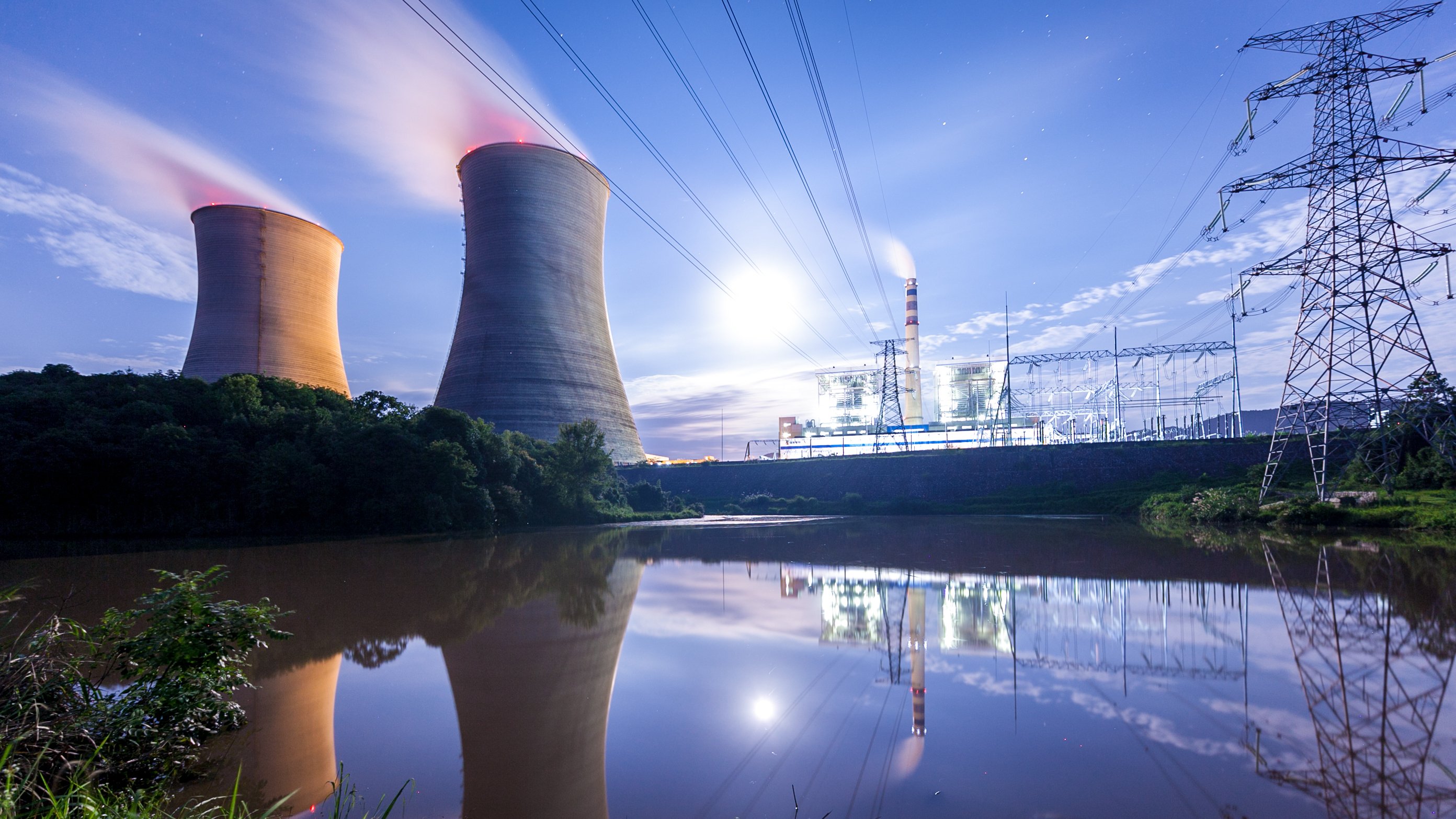
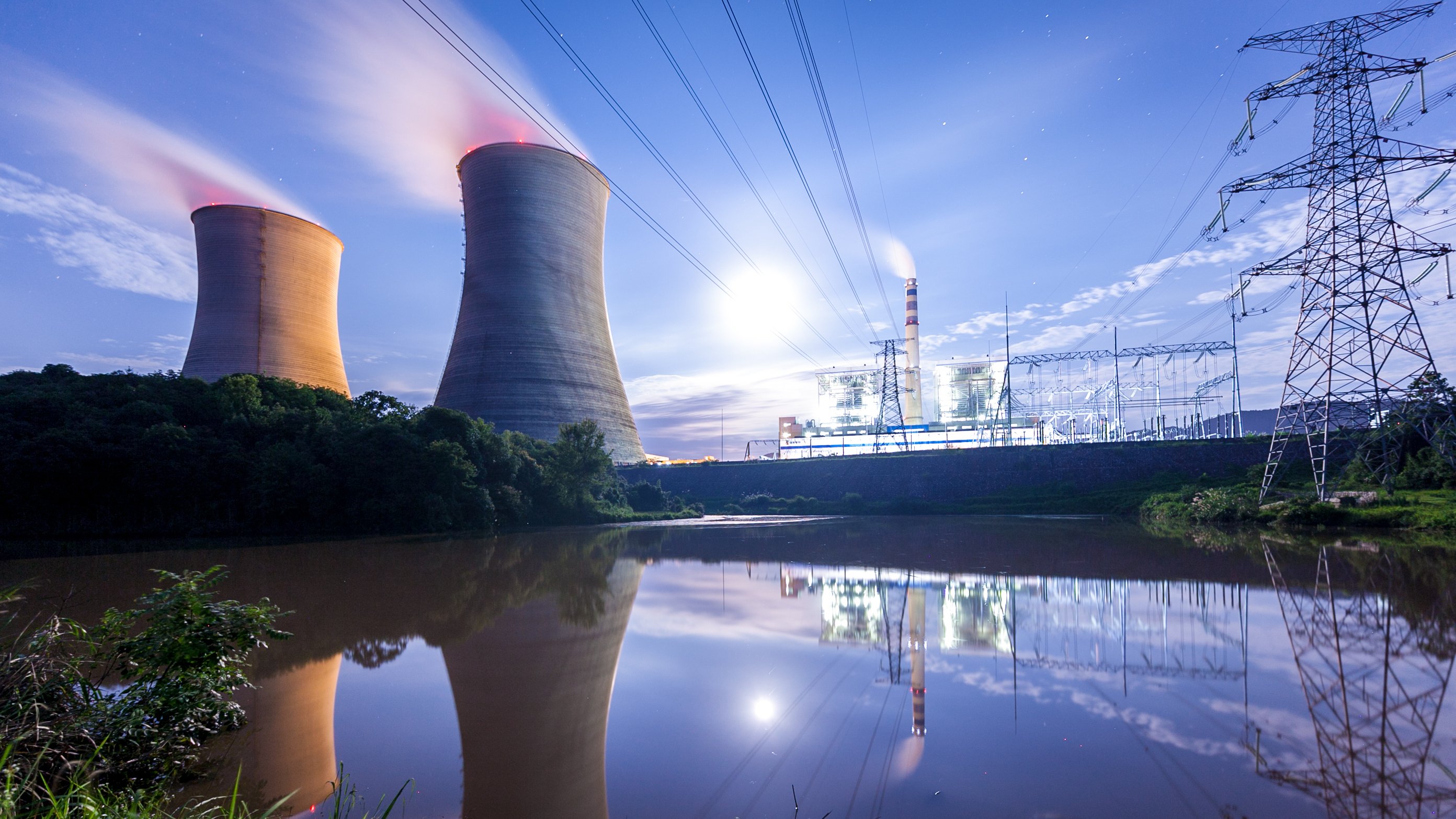
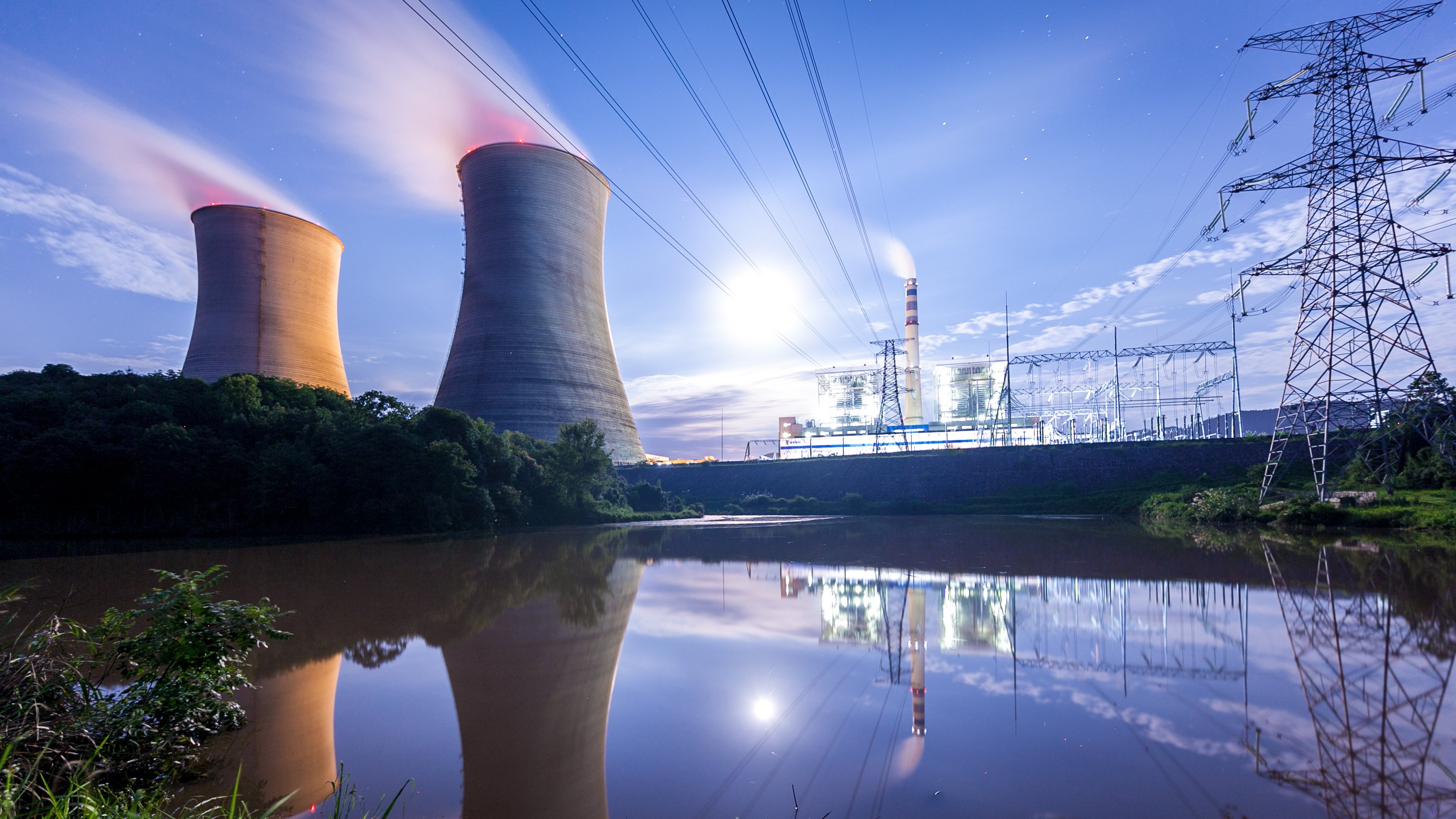
Image source: Getty Images.
Westinghouse is a leader in nuclear technology, providing design and engineering services for approximately half of the world's operating nuclear plants. Its AP1000 is a Generation III+ reactor, the only Gen III+ reactor to use fully passive safety systems (relying on gravity and natural circulation rather than active pumps), and has received U.S. Nuclear Regulatory Commission (NRC) certification.
In addition, the AP1000 operates on standard Low-Enriched Uranium (LEU), and the infrastructure for LEU already exists in the U.S. and among its allies. This contrasts with High-Assay Low-Enriched Uranium (HALEU), the fuel for next-generation reactors, which is currently primarily available from Russia. By focusing on the AP1000, the U.S. can scale up nuclear power immediately without waiting a decade to build a domestic HALEU enrichment industry.
In October, Cameco, Brookfield, and Westinghouse entered into an $80 billion agreement with the U.S. government to address the rapidly growing energy demand and accelerate the nuclear buildout. As part of this deal, the parties aim to construct at least eight new reactors, including Westinghouse's large-scale AP1000 and its small modular reactor (SMR), the AP300.
As part of this agreement, the U.S. government has a profit-sharing mechanism. Once active, the U.S. government is entitled to 20% of all cash distributions by Westinghouse that exceed a cumulative total of $17.5 billion.
A top uranium stock with long-term upside
Cameco stock trades at a high forward price-to-earnings ratio of 72.4 times its projected 2026 earnings, a steep valuation that may make investors hesitant to invest. However, the company has significant upside from here, with analysts projecting earnings-per-share growth of 48% this year and another 33% in 2027.
As the world's second-largest producer and the largest in the Western world, and with its significant stake in Westinghouse, Cameco is in a prime position for the nuclear renaissance. If you're bullish on the long-term future of nuclear energy and its buildout, Cameco is one of the top stocks you can buy today to capitalize on that growth.