Shares of Figma (FIG 9.95%) were having another awful day as the design-focused cloud software stock tumbled as part of a broad-based sell-off in the software sector that seemed driven by declines in sector leaders like ServiceNow (NOW 9.94%) and Microsoft (MSFT 10.23%) today. German software giant SAP (SAP 15.20%) also gave disappointing guidance in its earnings report.
Figma stock, which has plunged in recent months following a post-IPO pop last August, was approaching all-time lows, down 9.4% as of 1:59 p.m. ET.
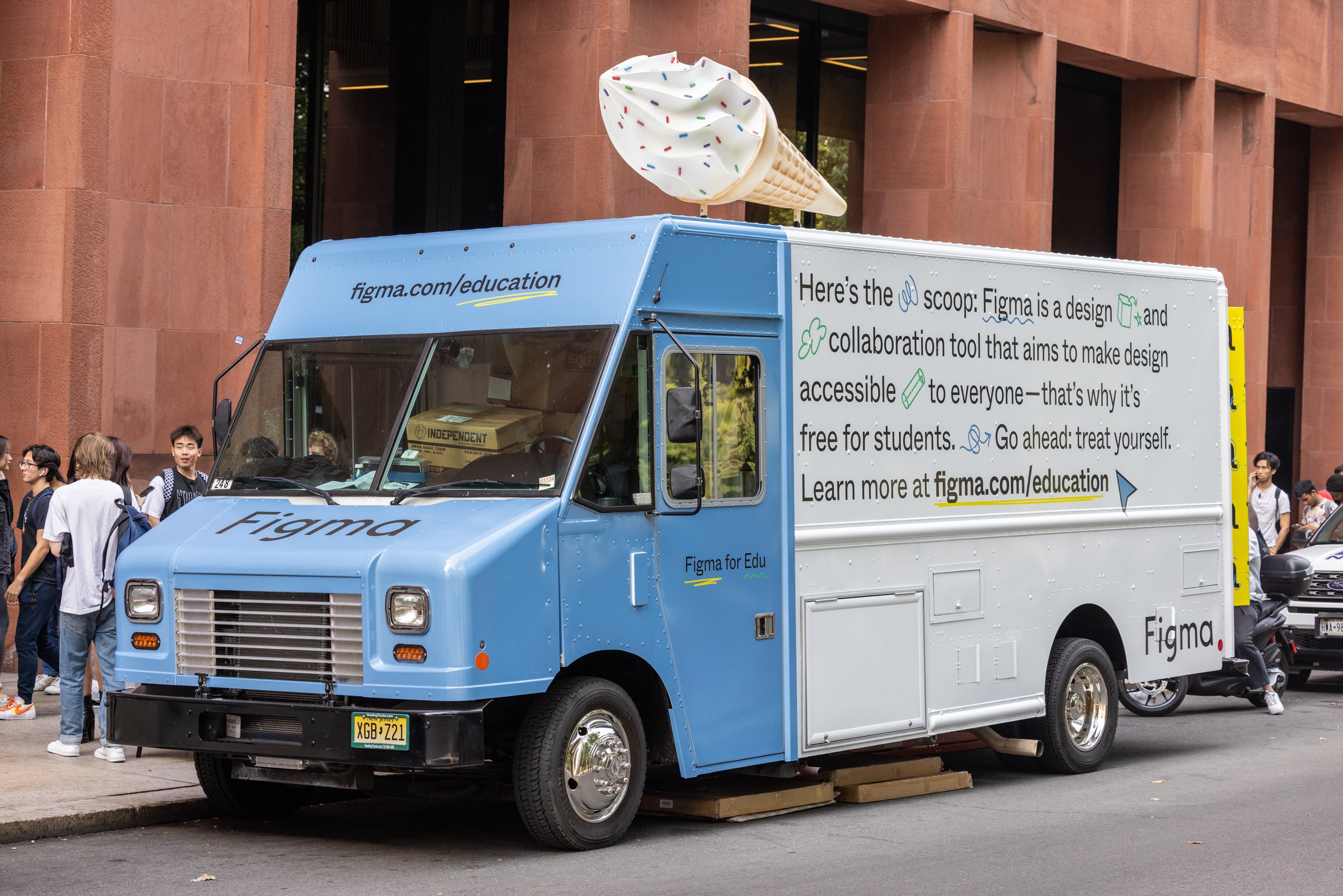
Image source: Figma.
Why software stocks were getting crushed today
Software stocks like Figma have been pulling back in recent months on fears that AI would cannibalize some software revenue streams, especially in areas like design, where AI tools have made website design much easier.
Today, ServiceNow fell double-digits in spite of beating estimates in its fourth-quarter report, which seemed to trigger a broader decline among its software peers.
There was nothing alarming in ServiceNow's earnings report as it reported 21% subscription revenue growth in the fourth quarter and called for around 21% subscription revenue growth in 2026, while profits continued to increase.
Still, management commentary was not enough to assuage longer-term fears about AI. Similarly, Microsoft delivered strong quarterly results, but noted that growth in its consumer business was slowing, while SAP posted weaker-than-expected guidance, adding to industry fears.
Software stocks have also carried sky-high valuations lately due to the perceived resilience of the cloud subscription model and their high gross margins, but with the threat of AI lurking, investors are now reassessing those historically high multiples and rerating the sector.

NYSE: FIG
Key Data Points
What's next for Figma
Figma hasn't reported fourth-quarter earnings yet, but the company has delivered strong growth in both of its earnings reports as a public company, though it hasn't been enough to stem the sell-off.
The company is set to report earnings on Feb. 18, and analysts are expecting revenue of $293.2 million and adjusted earnings per share of $0.06. Still, the biggest test for the company may be whether it can successfully push back on the AI disruption narrative that has crushed the stock.