DoorDash (DASH 3.50%) reports its fourth-quarter and full-year 2025 earnings after the bell on Wednesday, Feb. 18. The stock has taken a beating lately, sliding from roughly $230 in early January to around $165 as of mid-February -- a decline of nearly 28% in just six weeks. For scared long-term investors, a pullback like that often signals that it's time to sell.
But let's start with what matters most: DoorDash is humming. Last quarter, DoorDash posted revenue of $3.45 billion, up 27% year over year, beating Wall Street estimates. Total orders surged 21% to 776 million. Yet Q3 earnings per share of $0.55 technically missed consensus, and shares got punished after the report.
But the miss was driven by deliberate investment spending -- in delivery robots, fulfillment infrastructure, and the Deliveroo integration -- not due to a deteriorating demand. There's a big difference between a company spending to grow and a company watching its business shrink.

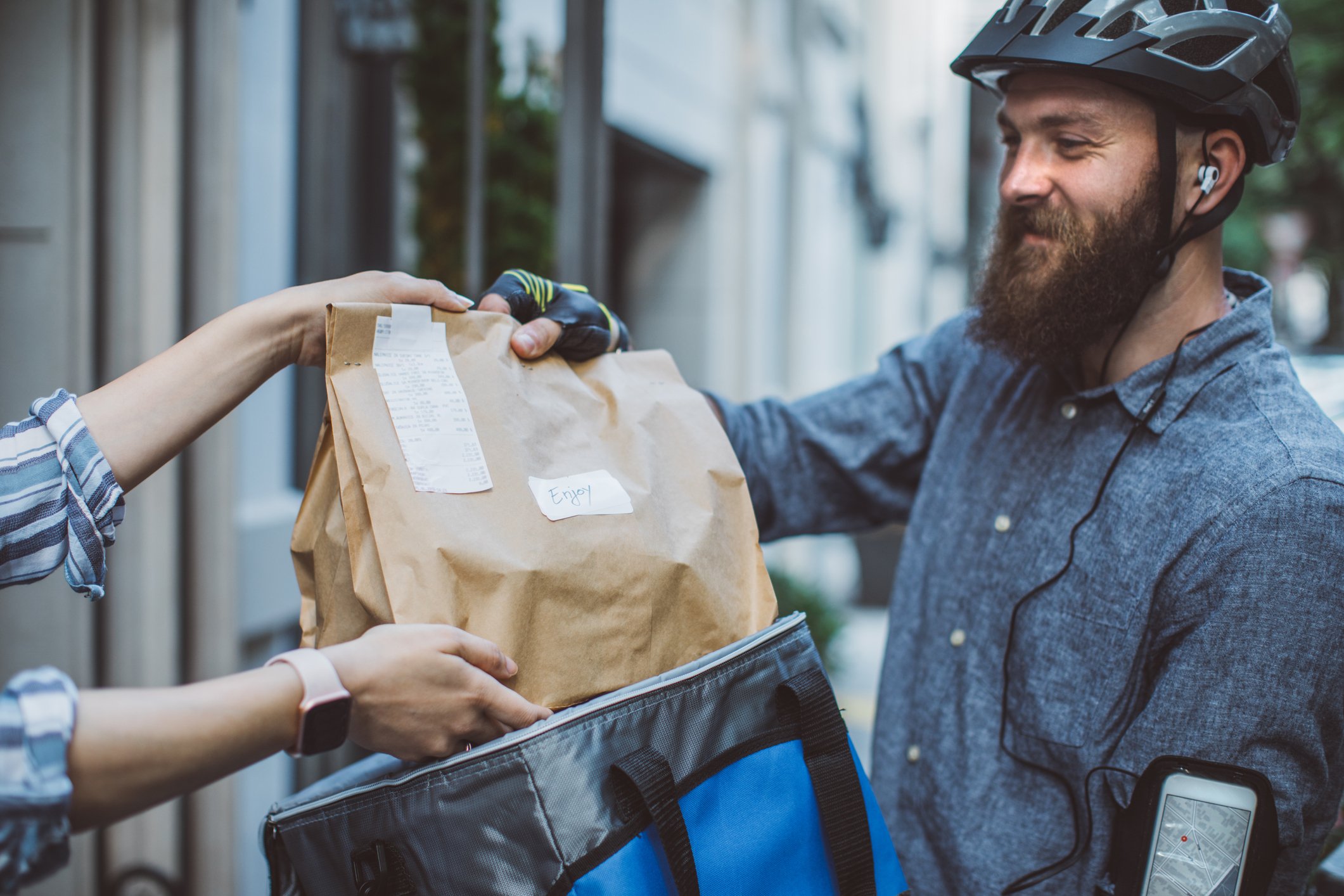
Image source: Getty Images.
Delivery is the "new normal"
DoorDash isn't just a food delivery app anymore. The company completed its nearly $4 billion acquisition of Deliveroo last fall, expanding into 45 global markets across Europe, Asia, and the Middle East. That deal handles roughly $90 billion in annual orders combined.
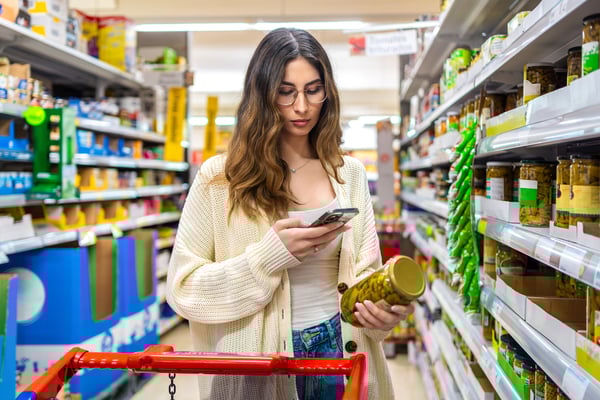
Domestically, DoorDash is aggressively expanding grocery delivery, adding partners like Kroger (approximately 2,700 stores), Busch's Fresh Food Market, Chavez Supermarket, and Rainbow Grocery Cooperative.
And then there's the future: DoorDash is partnering with Waymo to pilot autonomous deliveries across a 315-square-mile area of metro Phoenix, with plans to scale.
The company is also testing its own delivery robot, Dot, to dramatically reduce per-delivery costs over time. If both of these gambles work, we could see an influx of revenue for DoorDash.

NASDAQ: DASH
Key Data Points
Here's the argument that doesn't show up on a balance sheet but matters just as much: Ordering food delivery is a cultural behavior. The pandemic didn't temporarily boost delivery; it permanently rewired how people think about meals.
The global online food delivery market is projected to reach $473 billion in revenue by 2026. Functional food trends, the globalization of tastes, and the sheer time pressure of modern life all funnel demand toward platforms like DoorDash.
DoorDash is somewhat of a tease as we go into earnings with the stock dropping, but its newer revenue streams and global push make it a safe investment. Also, the cultural shift toward on-demand delivery is real and durable. At current prices, long-term investors have a rare chance to buy a market leader at a meaningful discount to where Wall Street thinks it's headed.