Berkshire Hathaway (BRKA -0.01%) (BRKB -0.13%) is often considered a rock-solid long-term investment. It's delivered an average annual return of nearly 20% ever since Warren Buffett took complete control of the company in 1965, compared to the S&P 500's average annual return of 10%.
Berkshire beat the market as Buffett transformed the aging textile maker into a diversified conglomerate that owned cash-rich insurance, railroad, utility, and consumer staples companies. It reinvested that cash into its massive portfolio of stocks, which is now worth $320 billion -- or 30% of its market capitalization of $1.08 trillion.
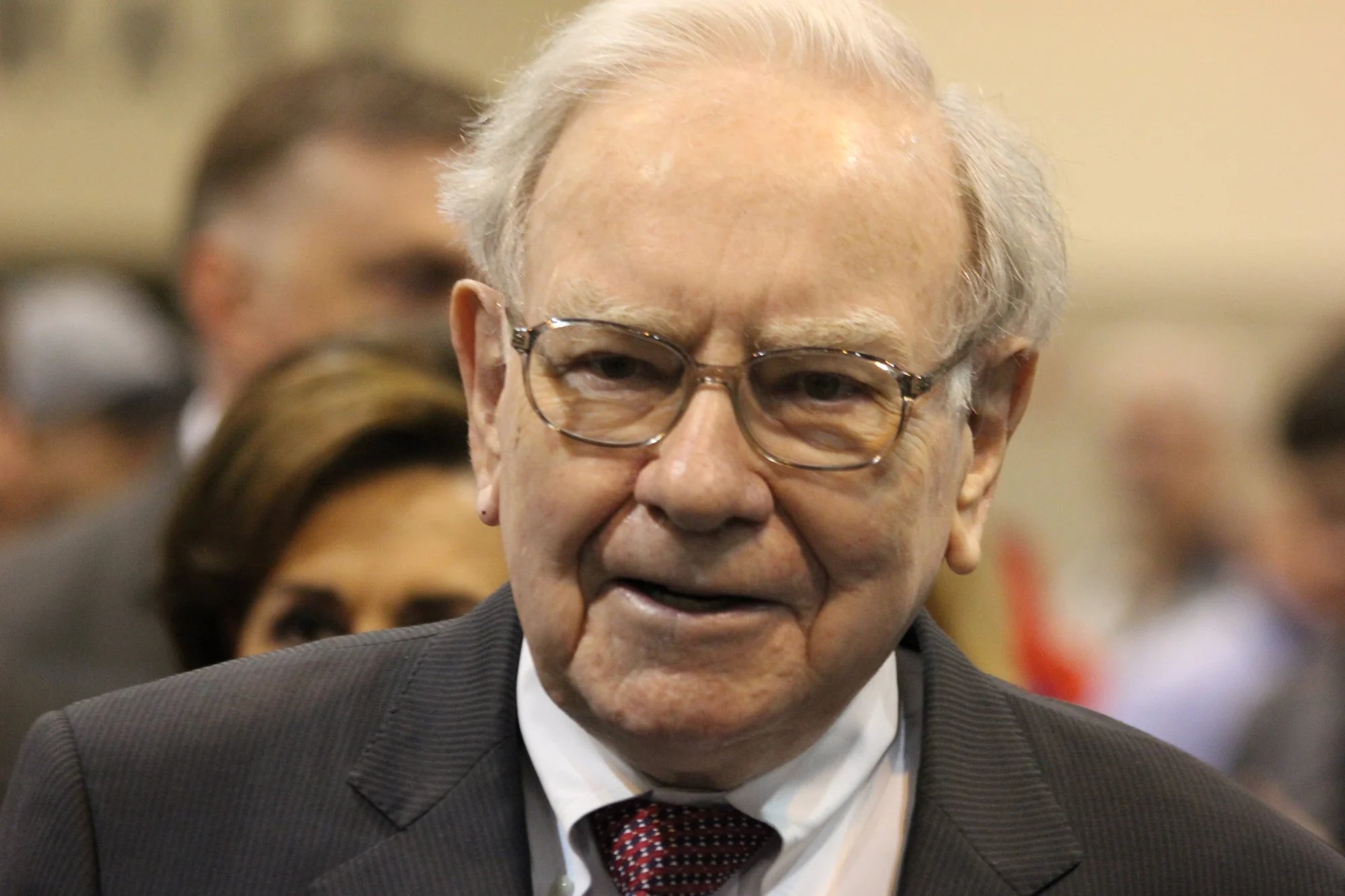
Image source: The Motley Fool.
Yet over the past 12 months, Berkshire's stock has risen by less than 4% as the S&P 500 has advanced nearly 12%. Three issues weighed down its stock. First, the company paused its buybacks for 5 consecutive quarters, indicating its shares were overvalued.
Second, Buffett sold a lot of Berkshire's top stocks and boosted its cash, cash equivalents, and U.S. Treasuries to a record $382 billion by the end of the third quarter of 2025. Those sales suggested the S&P 500, which trades at a historically high 30 times earnings, was getting overheated. Last but not least, Buffett retired at the end of 2025. For many investors, Buffett's departure marked the end of an era -- and the right time to sell Berkshire's shares.
BRKB Berkshire Hathaway
NYSE · As of 4:00 PM ET 10/15/26
Should you invest in an "inverse" play against Berkshire?
Some investors might think it's the right time to bet against Berkshire with Direxion's Daily BRKB Bear 1X Shares (BRKD +0.00%), an inverse ETF that replicates a short position against Berkshire Hathaway's B class shares. However, investors should understand that this leveraged ETF is geared toward short-term traders rather than long-term investors.
To replicate a short position against Berkshire, Direxion mainly uses total return swaps with banks to deliver the inverse return of Berkshire's stock. For example, if Berkshire's stock declines 1%, the ETF will rise 1%. But if Berkshire's stock rises 1%, the ETF will fall 1%.
However, this strategy is risky because it's highly leveraged. For each total return swap, Direxion takes out a "synthetic" loan based on the number of shares it's betting against. It pays interest payments on that contract until it expires. That's why it charges a high expense ratio of 0.97%. Moreover, its returns aren't cumulative; they're reset every day.
Berkshire Hathaway is also so large and well-diversified that it could easily beat the market over the long term as long as Buffett's successor, Greg Abel, doesn't drastically change its playbook. If that happens, a long-term bet on BRKD would be a disastrous investment.
What: Direxion BRK.B Bear 1X. Operation: Simple 1:1 inverse (short) of Berkshire. Tie-in: A "bold" contrarian take. Focus on Berkshire's massive cash pile or potential "post-Buffett" uncertainty.