Cryptocurrency prices surged last year, as a wave of optimism pushed Bitcoin (BTC 0.82%) to new highs. Volatility subsided. There were huge strides in regulation and adoption, particularly at an institutional level. Investors dared to hope the lead crypto had shaken off its roller-coaster growing pains.
That seems like wishful thinking today. Bitcoin is now down more than 40% from its all-time high of $126,000 in October and traded between about $65,000 and $68,000 for much of February.

CRYPTO: BTC
Key Data Points
In that context, it isn't surprising that prediction market Polymarket puts the odds of it reaching $150,000 by year-end at just 11%. That's less than the 12% odds of it falling all the way to $25,000. Although it is possible Bitcoin could reach or even surpass its record high in the next 10 months, it seems unlikely, barring some big change in macroeconomic conditions or investor sentiment. However, if we widen our horizons and look longer term, Bitcoin could still have considerable upside.

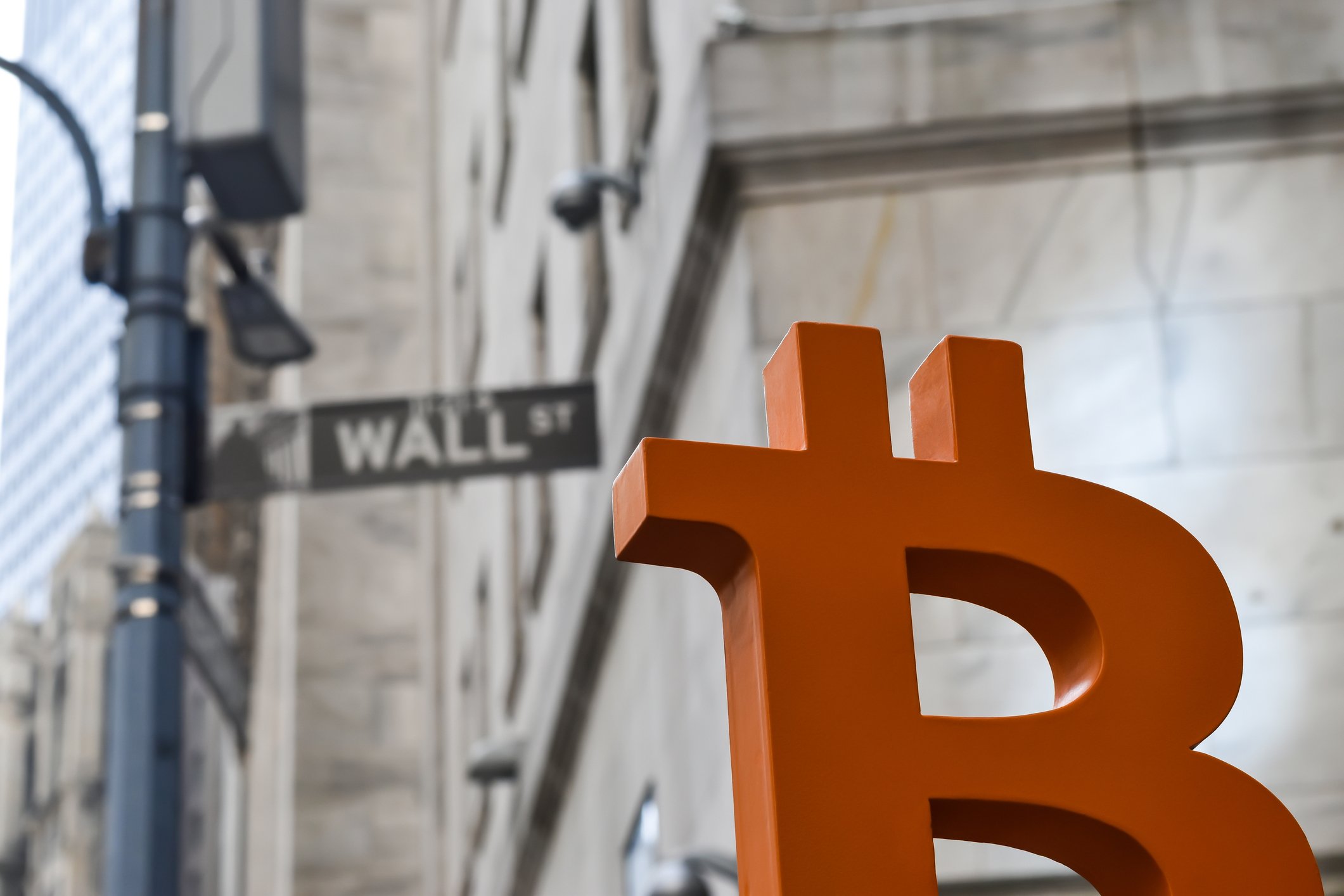
Image source: Getty Images.
2026 will continue to be a difficult year for Bitcoin
More than four months of a slow grind down in Bitcoin's price has battered investor sentiment. Almost half the circulating Bitcoins are now worth less than the owners paid for them. More worrying? Investors are selling for less than they paid, converting paper losses into realized losses.
This steady drip of negativity eats away at investor confidence. It will take a major catalyst to turn things around. That trigger might come if lawmakers pass additional crypto regulation, the Federal Reserve cuts rates, or economic confidence increases. Unfortunately, sentiment is fickle, and it's impossible to predict what might break the negative cycle.
It will need to be something big. Recent positive news such as falling inflation or Citigroup's plan to integrate Bitcoin custody services hasn't been enough to galvanize prices. As of March 4, Bitcoin had edged up to about $71,000, which is still a very long way from its all-time high.
Institutional investors are sticking around
Although more price pain may lie ahead, the long-term picture has arguably never been better. Adoption by institutional investors and businesses -- for many years, the holy grail of Bitcoin -- is picking up. Pro-crypto figures have replaced crypto skeptics at the Securities and Exchange Commission and Commodity Futures Trading Commission. Congressional legislation has provided some clarity on digital currencies guidelines, although it's less than industry leaders hoped for.
Moreover, Wall Street hasn't soured on Bitcoin. Sure, the total assets under management in Bitcoin exchange-traded funds (ETFs) have dropped dramatically, mainly as a result of falling Bitcoin prices, and there have been some capital outflows. Even so, many institutional investors are holding. The number of Bitcoin held in ETFs has only dropped slightly and that stability bodes well for Bitcoin's eventual recovery.
U.S. spot Bitcoin ETFs held about 1.36 million coins on Oct. 10. Today that figure is 1.27 million, which isn't a big drop. However, Bitcoin's price slump has sliced assets under management in the ETFs from $163.6 billion to $86.9 billion.
Cryptocurrency is a high-risk investment and recovery isn't guaranteed. The doubts about Bitcoin as a form of digital gold that holds it value also could hamper a rebound. That said, in the past, crypto gloom has eventually lifted, meaning there are good reasons to think Bitcoin could reach $150,000, if not necessarily this year.