Shares of Walmart (WMT +2.22%) have delivered excellent returns recently, fueled by the company's successful pivot toward a more profitable, tech-enabled retail model. The retailer's fiscal fourth-quarter report underscored just how well this strategy is taking hold.
But a great business and a great stock are two different things.
While Walmart is undeniably operating from a position of strength, the expectations baked into the stock price have reached a level that demands near-perfect execution for years to come. For investors trying to decide whether to buy, sell, or hold the stock, the answer lies in evaluating the gap between the company's fundamental performance and its current valuation -- and the gap is big.
Image source: The Motley Fool.
Momentum in high-margin revenue
Walmart's latest earnings report shows why investors have been buying the stock over the last year (it's up more than 40% in 12 months). For the fiscal fourth quarter ended Jan. 31, total revenue climbed 5.6% year over year to $190.7 billion. And, in the U.S. market, comparable-store sales (excluding fuel) advanced a healthy 4.6%.
Fueling its strong comparable-store sales growth, U.S. customer transactions were up 2.6%, a clear signal that the retailer is continuing to win actual foot traffic and market share.
The real narrative, however, is the structural improvement in Walmart's revenue mix. Digital sales during the quarter skyrocketed 24% year over year and now account for nearly a quarter of the company's total top line. A major catalyst here was store-fulfilled expedited delivery, which jumped 50%.
On top of the e-commerce gains, Walmart's high-margin advertising unit expanded by 37% globally. And the membership segment saw fee revenue rise 15.1%.
Because digital ads and membership fees carry significantly higher margins than traditional groceries, this evolving mix is supercharging Walmart's bottom line. Constant-currency adjusted operating income jumped 10.5% in the quarter, easily outpacing total sales growth.
A measured forecast
Despite the fourth-quarter strength, management's forward-looking commentary struck a more cautious tone.
Looking ahead to fiscal 2027, Walmart said it expects its constant-currency net sales to rise between 3.5% and 4.5%. That represents a noticeable deceleration from the holiday quarter's pace.
And the company's profit outlook was similarly restrained, with management forecasting full-year adjusted earnings per share to land between $2.75 and $2.85. The midpoint of this guidance range translates to a year-over-year growth rate of just 6%.
However, Walmart chief financial officer John Rainey noted that this measured approach to its outlook isn't unlike the approach it's taken to guidance "in past years..."
"I think it's prudent to be somewhat balanced," Rainey noted.
While the chief financial officer said that the management team remains constructive on the economy, he did say there are some concerning macroeconomic indicators out there, "whether it be a hiring recession or maybe subdued consumer sentiment, student loan delinquencies, things like that, that would make you want to be more balanced as you sit here at this point in time."
The valuation hurdle
Overall, Walmart is executing brilliantly even in an uncertain macroeconomic backdrop. But the market has already rewarded the stock accordingly.
As of this writing, Walmart trades at a price-to-earnings ratio of about 46.
That is an aggressive price-to-earnings multiple for a mature retailer -- one that assumes uninterrupted, compounding earnings for the foreseeable future. More specifically, a valuation like this assumes Walmart will be able to simultaneously defend its core grocery business while maintaining double-digit growth in its membership fee income and advertising businesses.
In short, investors are left without a margin of safety at today's valuation. If consumer spending falters or the transition toward higher-margin revenue streams hits a speed bump, the stock could easily suffer a valuation multiple contraction even if the underlying business remains highly profitable.

NASDAQ: WMT
Key Data Points
So, is Walmart stock a buy, sell, or hold?
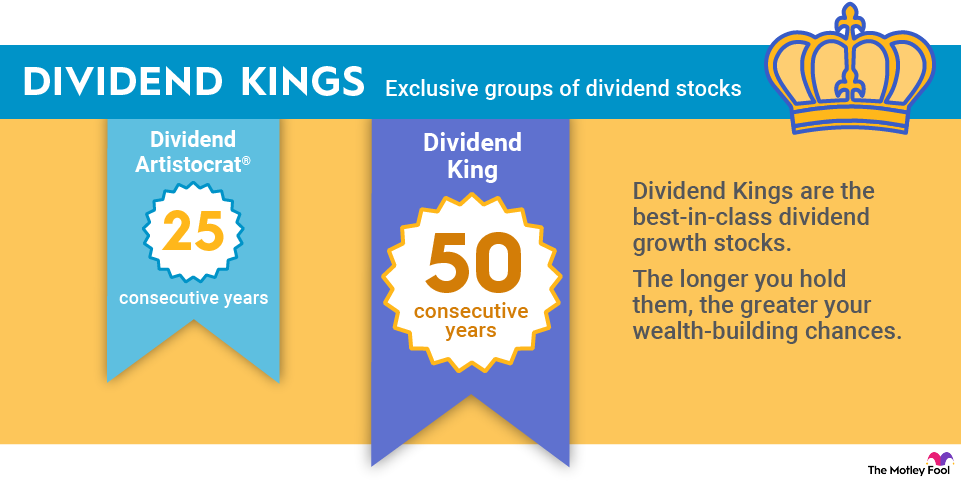
I view Walmart stock as a hold. Sure, current shareholders have little reason to rush to the exits. The company is generating staggering amounts of cash -- nearly $15 billion in free cash flow last year -- and it also pays a dividend.
However, deploying new capital into the stock at this pricey valuation arguably looks too risky. I would much prefer to wait for a potential pullback in the stock price -- one that offers a chance to buy shares at a more reasonable valuation, where the price better accounts for the possibility of occasional economic headwinds or other unexpected setbacks.