Investors who own artificial intelligence (AI) sector stocks and follow them closely will have noticed that many of them have tumbled in recent months. That makes this a natural time to re-examine your investment theses for these companies, as history has not been universally kind to tech businesses competing for market supremacy in past tech cycles, and this cycle, too, will no doubt include its share of also-rans.
In a broader sense, investors hoping to spot the stocks that are best positioned to succeed in AI long term will need to discern which way the trends are heading in the industry. Knowing this, investors should hold onto some of their AI stocks, but only after considering these points.

Image source: Getty Images.
1. Not all AI companies will survive
History suggests that not all AI companies will survive a sectorwide shakeout.
When today's investors think about the dot-com boom of the late 1990s, they might think of success stories such as Amazon or Google (now Alphabet).
Yet those who started investing after the dot-com bust might forget that Amazon beat out the likes of Pets.com or eToys.com. Likewise, Google became Google by delivering a superior search engine to Altavista, Excite, and others. The ones that came up short are gone from the public markets.
This might remind investors of a lesson promoted by former GE CEO Jack Welch. His opinion was that one should only invest in the No. 1 or No. 2 companies in any given market niche. If conditions deteriorate in the tech sector, it might be time to sell AI stocks that do not meet that criterion.
Additionally, AI continues to sap the foundations of older business models, such as the software-as-a-service (SaaS) model. Today, AI models can create tools that replicate the functions of some SaaS businesses at a fraction of the cost.
Whether AI will disrupt any specific SaaS business in this manner depends on the particular enterprise. However, if AI can replace what a given software business sells, that company's stock is unlikely to rebound over the long term. Thus, one should probably consider selling shares of businesses at high risk of being rendered obsolete by AI.

NASDAQ: NVDA
Key Data Points
2. The power of sticking with top stocks
Aside from those caveats, investors should take the opposite approach with the top AI stocks, and hold onto them through thick and thin.
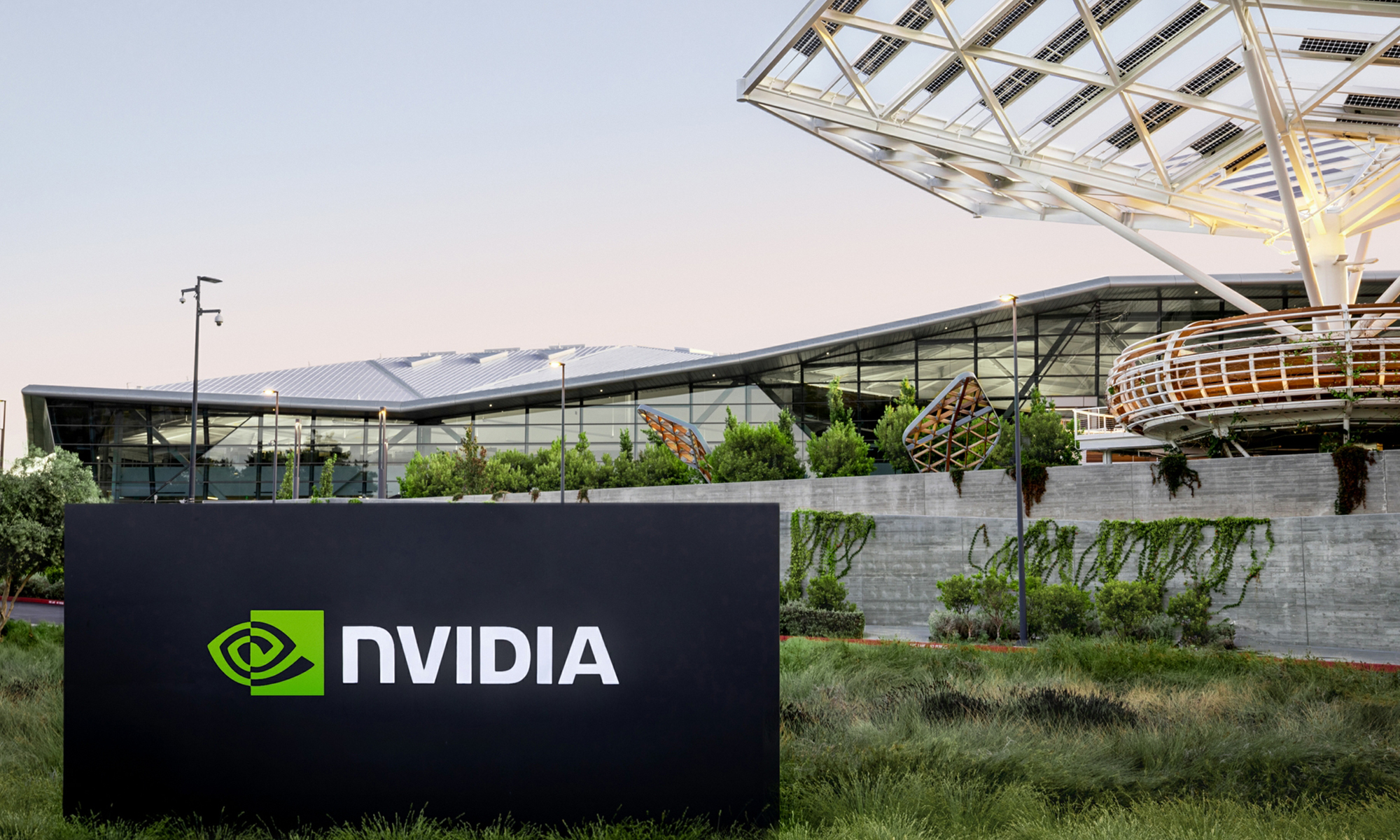
That advice may surprise investors who know history. After all, Amazon lost more than 90% of its value at one point during the dot-com bust. Moreover, the stock that is arguably the most successful AI holding in history, Nvidia (NVDA +2.59%), fell by 85% or more during those years, and did so again during the 2008-2009 financial crisis.
Nonetheless, the problem with selling such stocks is that properly timing the market is nearly impossible, and nobody can do it well consistently. Even for those who get out near the top, it is difficult to assess when to buy back in, and missing out on the rebounds can be an expensive mistake.
Additionally, it is important to note that such stocks recovered from those massive sell-offs. Amazon is now up by more than 210,000% since its 1997 IPO, and Nvidia built generational wealth for any early investors who stayed in for the long haul, rising by over 420,000% since its 1999 debut.
Admittedly, the temptation to sell after an 85% drop can feel overwhelming. However, if one can set emotion aside, a patient, disciplined approach to investing in AI stocks should pay off in the long run.
History says to hold leading AI stocks
Navigating a potential AI sector downturn or a wider market tumble will be difficult on many levels. Such a shakeout will push many AI companies over the edge, even as the growing use of the technology takes the wind out of some legacy businesses' sails.
Even if investors correctly determine which AI stocks will be the long-term winners, they may have to fight a strong temptation to sell anyway in the midst of a dramatic sell-off.
Ultimately, your best bet is to focus more on the quality of your AI holdings than on timing. As long as you own top AI stocks, history suggests you'll grow wealthier in the long run, whether or not macroeconomic conditions become worse in the short term.