Shares of newly public power and AI infrastructure company Fermi (FRMI +0.00%) plunged 19% on Monday as of 1:49 p.m. EDT.
Fermi has gotten off to a very rocky start since going public last Oct. 1, hitting the public markets at $21 per share. After today's decline, Fermi's stock now trades at $5.30.
Yesterday, Fermi announced a spate of leadership changes, including the resignation of its Chief Financial Officer and Chief Executive Officer, though both officers will remain on the Board of Directors. Even with these departures, Fermi disclosed that neither position has been filled on a permanent basis.
It's a strange announcement, for sure, and speaks to risks that may have emerged regarding Fermi's massive AI infrastructure project, "Project Matador." The huge integrated power and data center site has yet to secure a long-term tenant, beyond a generalized partnership with Texas Tech University. However, details of that partnership have not been disclosed.

NASDAQ: FRMI
Key Data Points
Fermi introduces "Fermi 2.0," just after "Fermi 1.0's" founding
Last night, Fermi issued a press release announcing a spate of leadership changes and a transition to "Fermi 2.0." The company announced that CEO Toby Neugebauer stepped away from the CEO role, but remains on the Board. Fermi also announced that Miles Everson resigned as CFO but also remains on the Board.
Fermi also announced that lead Independent Board Director Marius Haas has assumed the role of Chairman. Meanwhile, the CEO duties will be carried out in the interim by a new "Office of the CEO" to be managed by Chief Operating Officer Jacobo Ortiz Blanes and former Board advisor Anna Bofa. Fermi also announced that it was "in negotiations with a candidate" to become interim CFO.
The company also noted it would open a headquarters in Dallas, while keeping its existing Amarillo, TX office.
The announcement is a major shakeup, for sure, and doesn't exactly lend confidence to Fermi, which has high ambitions to supply up to 11 GW of power to 18 million square feet of artificial intelligence capacity.
But while Fermi's ambitions are high, Project Matador is still under construction and hasn't yet secured a long-term tenant. Back in December, a tenant that had signed a non-binding letter of intent dropped out of its lease.
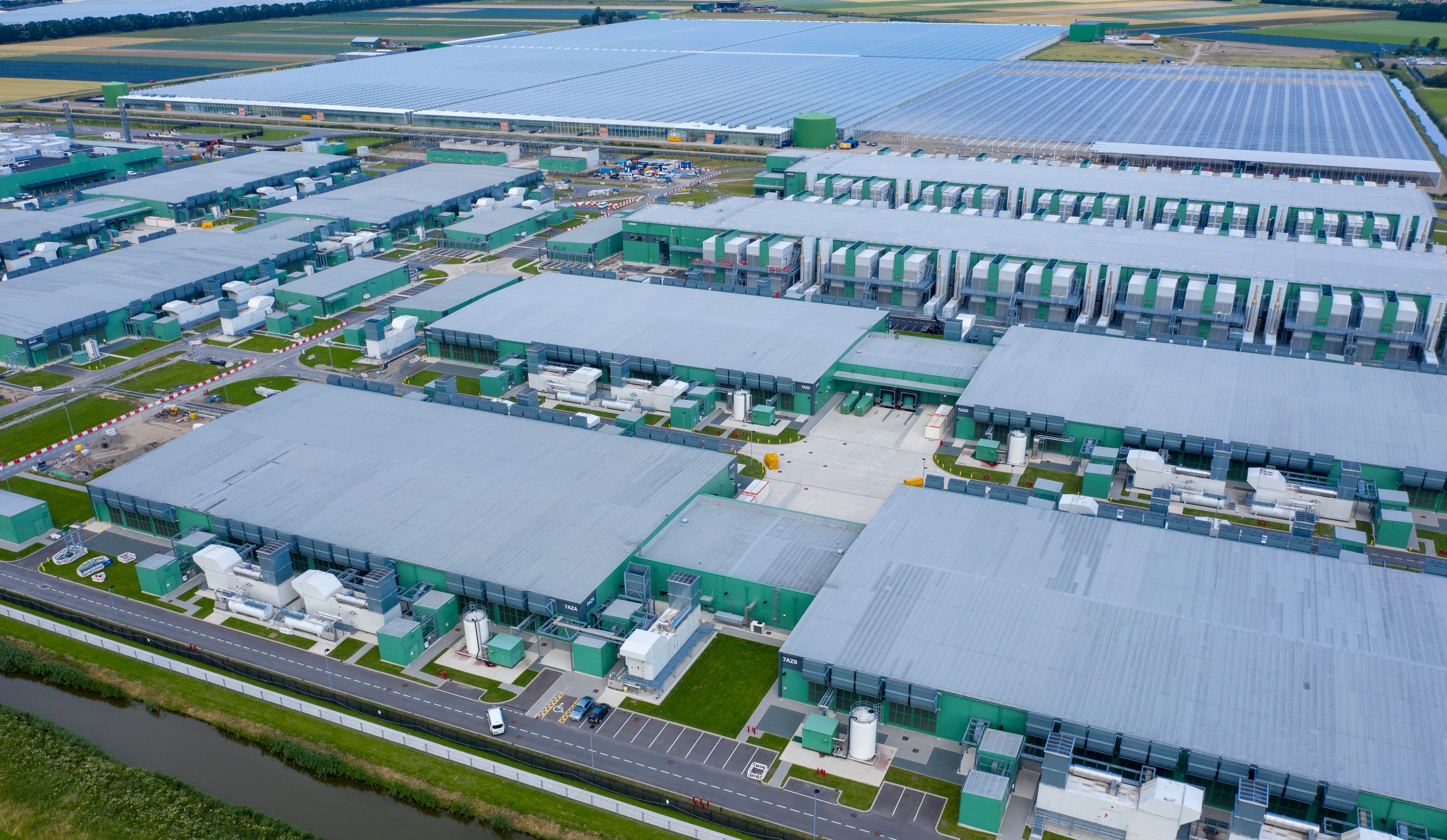
Image source: Getty Images.
Fermi is a high-risk but high-upside opportunity
In the press release, Fermi noted the shakeup was part of the company, "evolving from an entrepreneurial start-up culture into a public-company-caliber professional enterprise."
That, of course, begs the question as to why the company hadn't been run like a "professional enterprise" up until now. This drawback may have been preventing third-party tenants from signing long-term leases.
Still, 11 GW is a massive amount of power and capacity, so if AI computing demand holds up and Fermi can get its act together and secure high-quality tenants for long-term leases, the upside could be substantial.