A year ago, quantum computing start-ups were pretty miffed at Nvidia (NVDA +1.34%) CEO Jensen Huang -- and for good reason.
At the Consumer Electronics Show in January 2025, Huang commented that he thought we were probably 15 to 30 years away from "very useful quantum computers." In response, the share prices of quantum start-ups crashed. IonQ's (IONQ -0.50%) stock price plunged 39% in just one day, while Rigetti Computing (RGTI -2.37%) tumbled 45%.

NASDAQ: RGTI
Key Data Points
D-Wave Quantum (QBTS -4.77%) CEO Alan Baratz fired back on LinkedIn: "Jensen Huang has a misunderstanding of quantum ... [his] comments are just the latest in a string of misinformation." But even he seemed reluctant to fully alienate the powerful tech titan, and he closed with this surprisingly prophetic statement:
There is massive potential for AI and quantum to work together in advancing the limitations of today's classical computing capabilities. We welcome the opportunity to partner with companies like NVIDIA in exploring what's possible when QPUs and GPUs come together.
This year, though, it seems like Baratz's wish came true, as Nvidia made an announcement that will change the quantum computing landscape forever. Here's why shareholders of quantum start-ups like IonQ, Rigetti, and D-Wave may benefit.

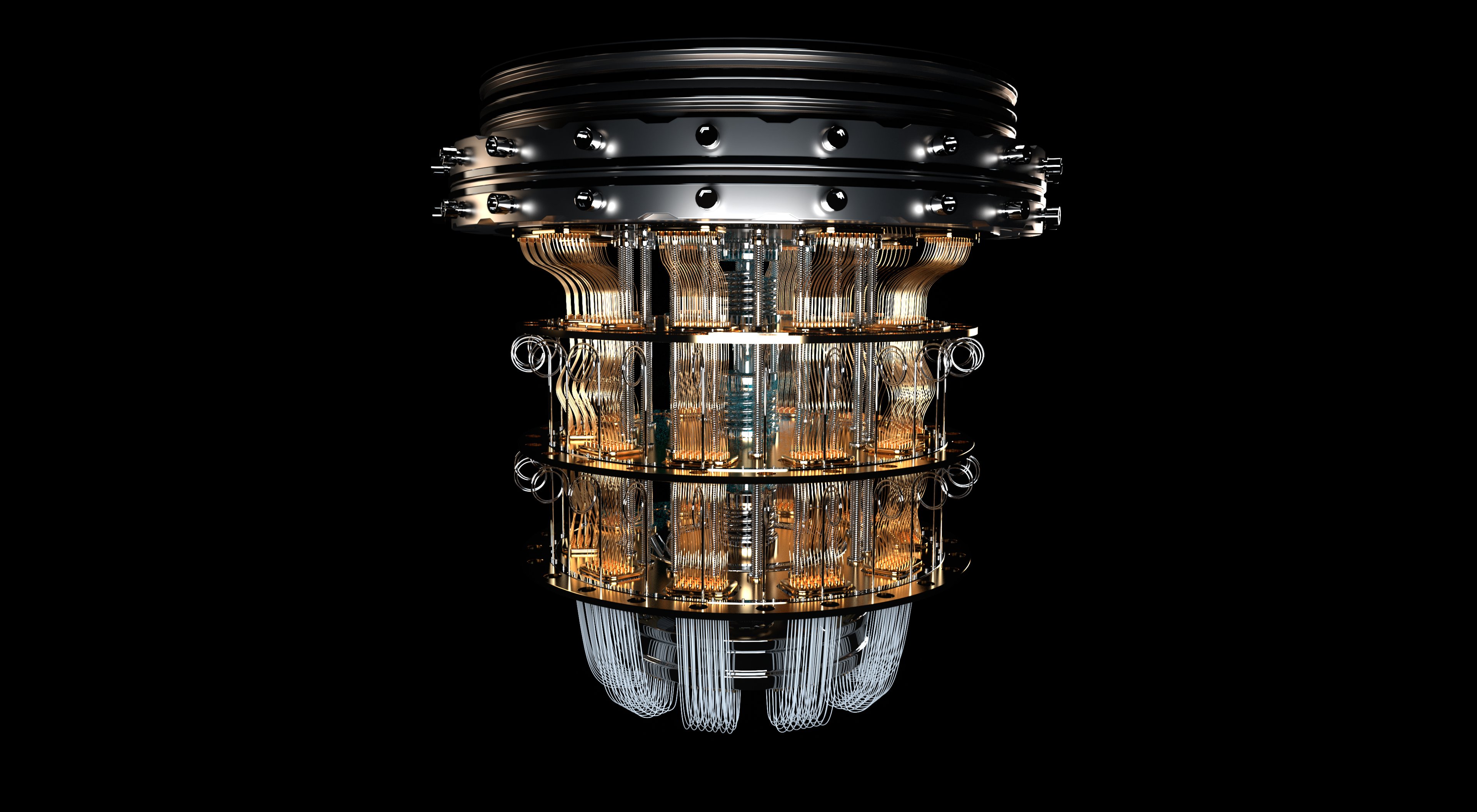
Image source: Getty Images.
A common language
Quantum computing is still primarily used by universities and researchers, in part because it lacks a common infrastructure that allows people without quantum computing expertise to use it directly.
That's not surprising. The internet was used by universities and government research organizations since the early 1970s, but it couldn't scale up globally until the Internet Protocol Suite (TCP/IP) provided it with a global, standardized framework in 1982. By the mid-1990s, it was mainstream.
Nvidia is looking to do something similar for quantum computing with the launch of a new model called Ising, designed to help build quantum processors "capable of running useful applications."
Nvidia already offers a hybrid quantum-classical computing platform called CUDA-Q, which it rolled out in 2022. IonQ and Rigetti are both actively partnering with Nvidia on it. Nvidia's Ising represents a step forward, as it will be open source and powered by AI. Quantum computing is so complex that AI will likely be a necessary component of any complementary classical computing system just to keep up.
"With Ising, AI becomes the control plane -- the operating system of quantum machines -- transforming fragile qubits to scalable and reliable quantum-GPU systems," said Huang in the press release announcing Ising's launch.
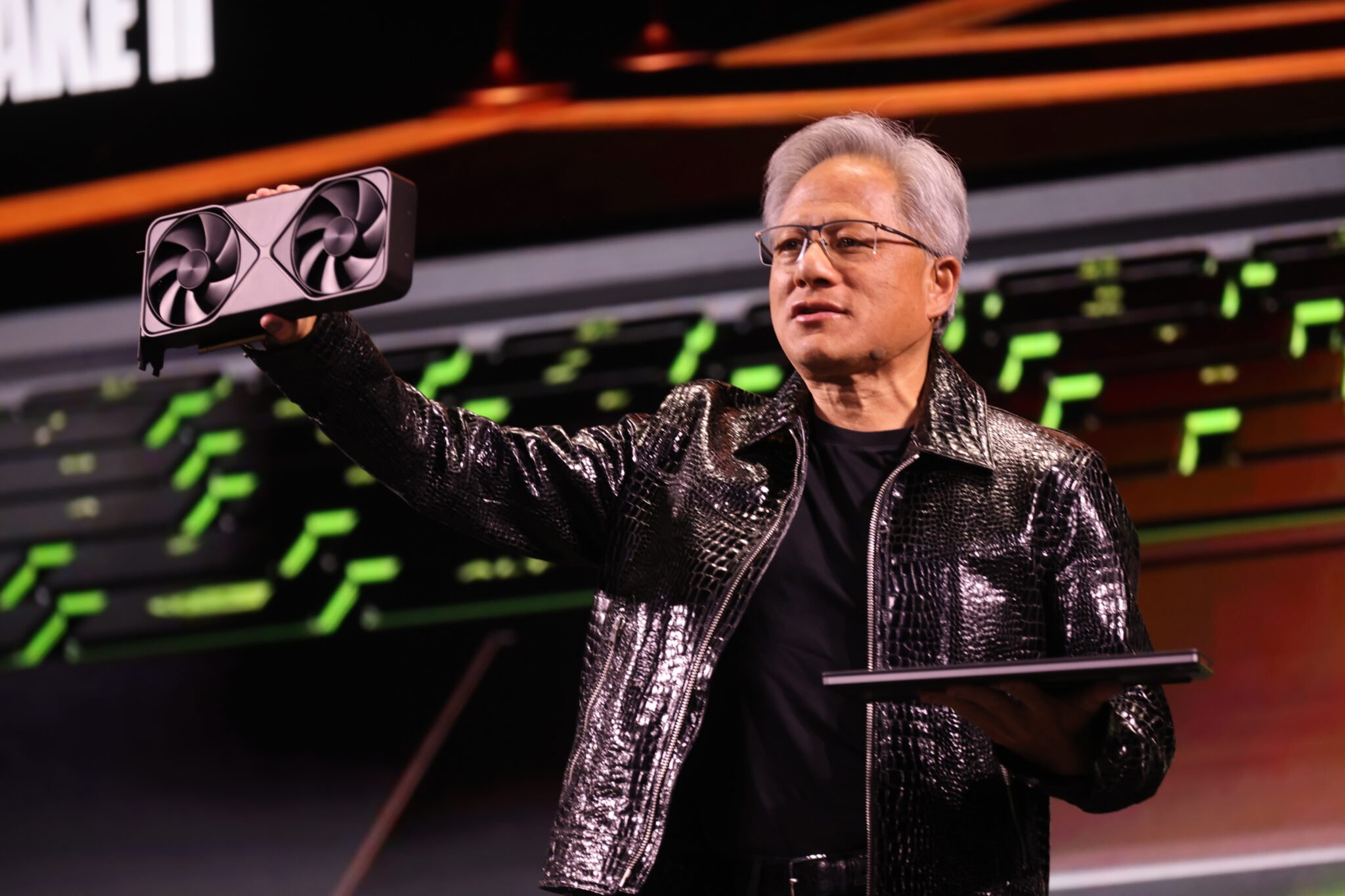
Image source: Nvidia.
Why Huang came around
Huang's official view on quantum computing's timeline changed pretty quickly. He walked back his 15- to 30-year estimate in June, saying quantum computing was nearing an "inflection point." Less than a year later, his company is rolling out a major quantum-focused product of its own.
But his belief that classical computers will be needed to access quantum systems hasn't changed at all. In 2024, he outlined a role for Nvidia in the quantum landscape, saying: "You can't just program a quantum computer all by itself. You need to have classical computing sitting next to it."
Of course, we don't know if he really believes the timeline has changed. He might just see a moneymaking opportunity for Nvidia, in which case he wants to keep the quantum start-ups happy. After all, they're current CUDA-Q partners, and potential Ising partners as well.
Why it's good for quantum start-ups
Once again, Huang's announcement had an immediate effect on the stocks of quantum start-ups, but this time it was positive: Rigetti's stock jumped 13.3%, IonQ's popped 21%, and D-Wave's shot up 22.6%.

NYSE: IONQ
Key Data Points
The reason is clear: If Nvidia -- the world's largest company by market cap and the undisputed leader in AI chips and infrastructure -- was making a bet on quantum computers, it suggests that Huang saw a clear business case for the technology, and a potential market for Nvidia's products.
Nvidia's entry into this market is good for quantum start-ups in another way as well. Big, deep-pocketed companies with existing tech platforms, like Alphabet (GOOG +1.62%) (GOOGL +1.55%) and IBM (IBM -1.32%), are already fighting for dominance of the quantum computing market. Left to themselves, it would be tough for small quantum start-ups to compete.
But with a heavyweight like Nvidia on their side to help provide things they can't create themselves, including an AI-powered platform and a common infrastructure, their odds of success just went way, way up.