Silver's price has risen nearly 140% over the past 12 months. That rally was driven by three catalysts: industrial demand, investor demand, and production bottlenecks.
Silver is widely used in solar panels, electric vehicles, consumer electronics, and data centers. The market's demand for silver across those markets, especially among renewable energy providers and AI-driven data centers, has skyrocketed over the past few years.
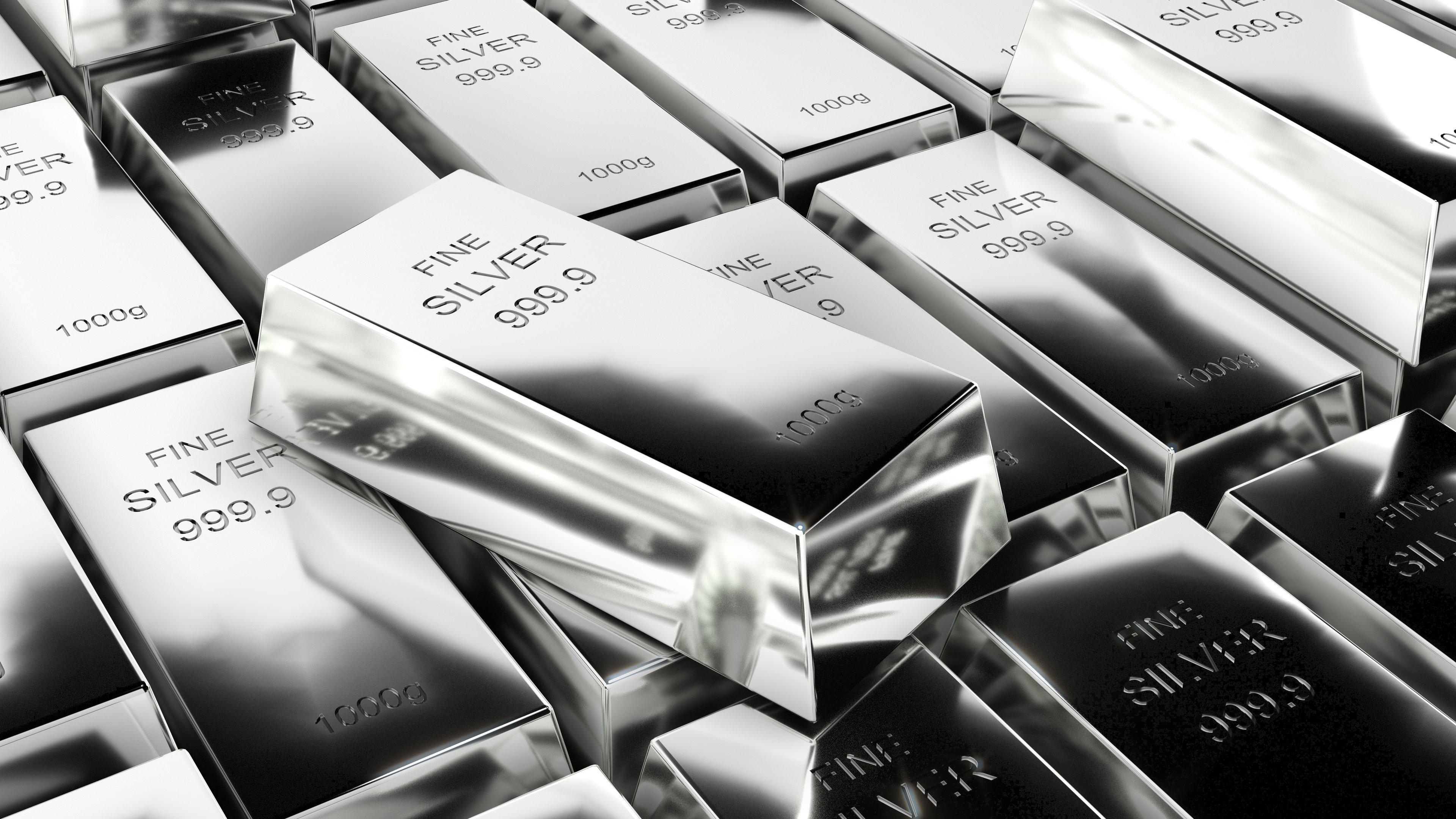
Image source: Getty Images.
At the same time, elevated interest rates, geopolitical conflicts, and other macro headwinds drove investors toward safe-haven commodities such as gold and silver. However, declining ore grades, higher mining costs, and tighter environmental regulations prevented silver miners from producing enough silver to meet that demand. Some bullish analysts expect those tailwinds to drive its price from about $80 per troy ounce today to $150- $200 over the next five years.
To capitalize on that secular trend, many investors are flocking to the iShares Silver Trust ETF (SLV +2.49%), the world's largest silver ETF with $38 billion in assets. However, its smaller competitor, the Abrdn Physical Silver Shares ETF (SIVR +2.53%), might be a better long-term investment even though it manages only about $5 billion in assets.

NYSEMKT: SIVR
Key Data Points
What advantages does SIVR have over SLV?
SIVR and SLV both hold physical silver bullion, track the London Bullion Market Association's (LMBA) spot price of silver, and generated nearly identical returns of 130% over the past 12 months. But over the past 10 years, SIVR's price rose 311% as SLV's price climbed 304%.
That long-term deviation can be attributed to SLV's higher fees. SLV charges an annual sponsor fee of 0.50%, while SIVR charges just 0.30%. Both funds cover those fees by selling a small amount of their own silver, so each ETF share will represent less silver bullion every year. Therefore, SLV will underperform SIVR as long as it charges higher fees.
However, SIVR has voluntarily "waived" a portion (0.15%) of its sponsor fee ever since its inception in 2009 to compete more effectively against SLV. Therefore, its sponsor fee could rise to 0.45% if it ever ends that practice -- but it would still be cheaper than SLV.
SLV is still more popular than SIVR among active traders and institutional investors because it has more volume and liquidity. SLV has tighter bid-ask spreads and a deeper options market for traders, and its size makes it easier for institutional investors to execute large trades. But if you're a long-term investor looking for a simple, low-cost silver ETF, SIVR is the better buy.