Joby Aviation (JOBY -0.66%) and Archer Aviation (ACHR +3.45%) are both early movers in the electric vertical takeoff and landing (eVTOL) aircraft market. These aircraft are greener and easier to land in crowded urban areas than helicopters, but the Federal Aviation Administration (FAA) hasn't fully approved their first commercial flights.
Joby and Archer both went public through mergers with special purpose acquisition companies (SPACs) in 2021, but both stocks trade below their opening prices. Without any commercial flights, Joby and Archer were speculative stocks trading at high valuations -- so their luster faded as rising interest rates drove investors toward more conservative investments.
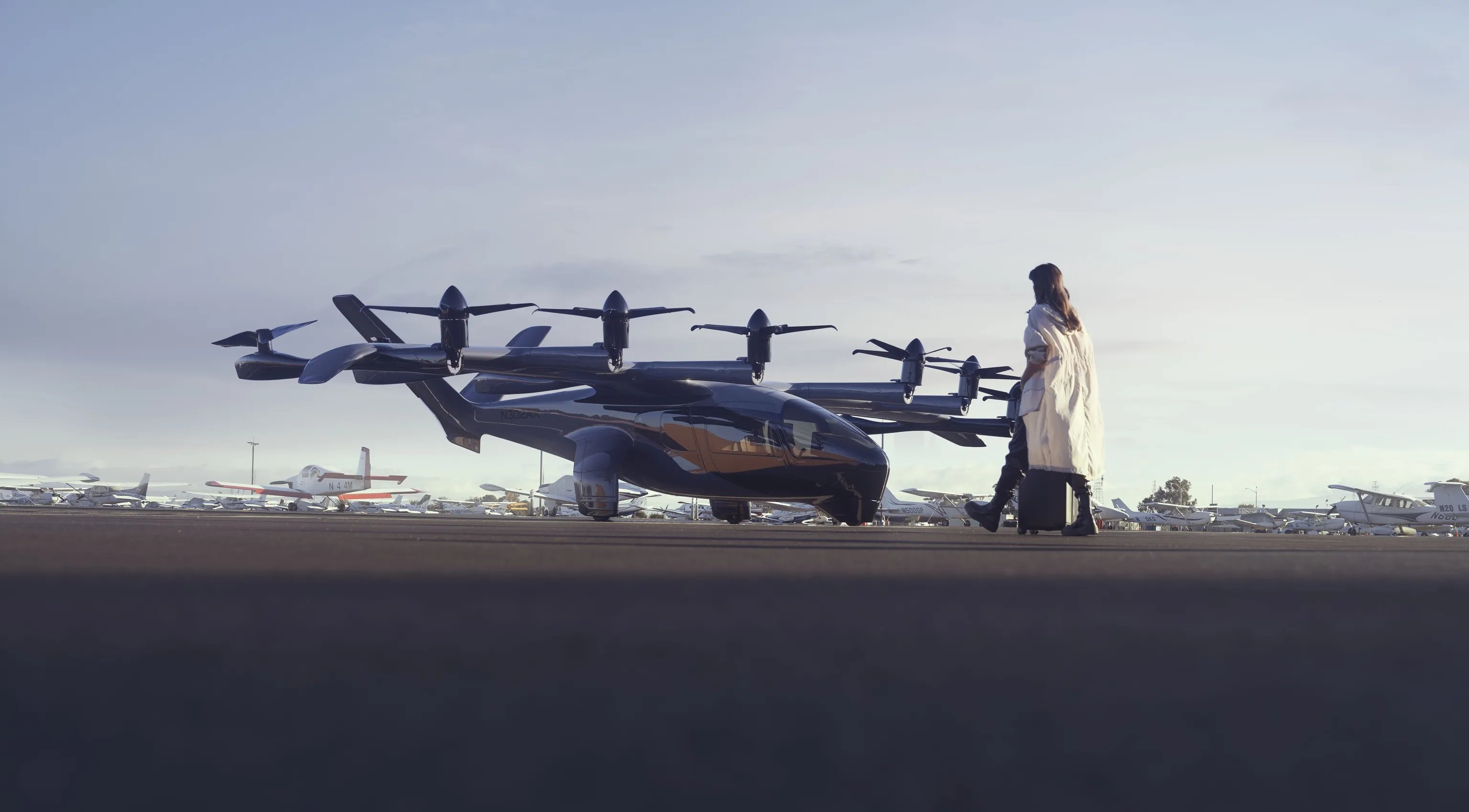
Archer's Midnight eVTOL. Image source: Archer Aviation.
But according to Eve Air Mobility's Global Market Outlook, there could be 30,000 eVTOLs in the air carrying three billion passengers globally by 2045. So could one of these unloved eVTOL stocks still be a great play on that secular trend?
The similarities and differences between Joby and Archer
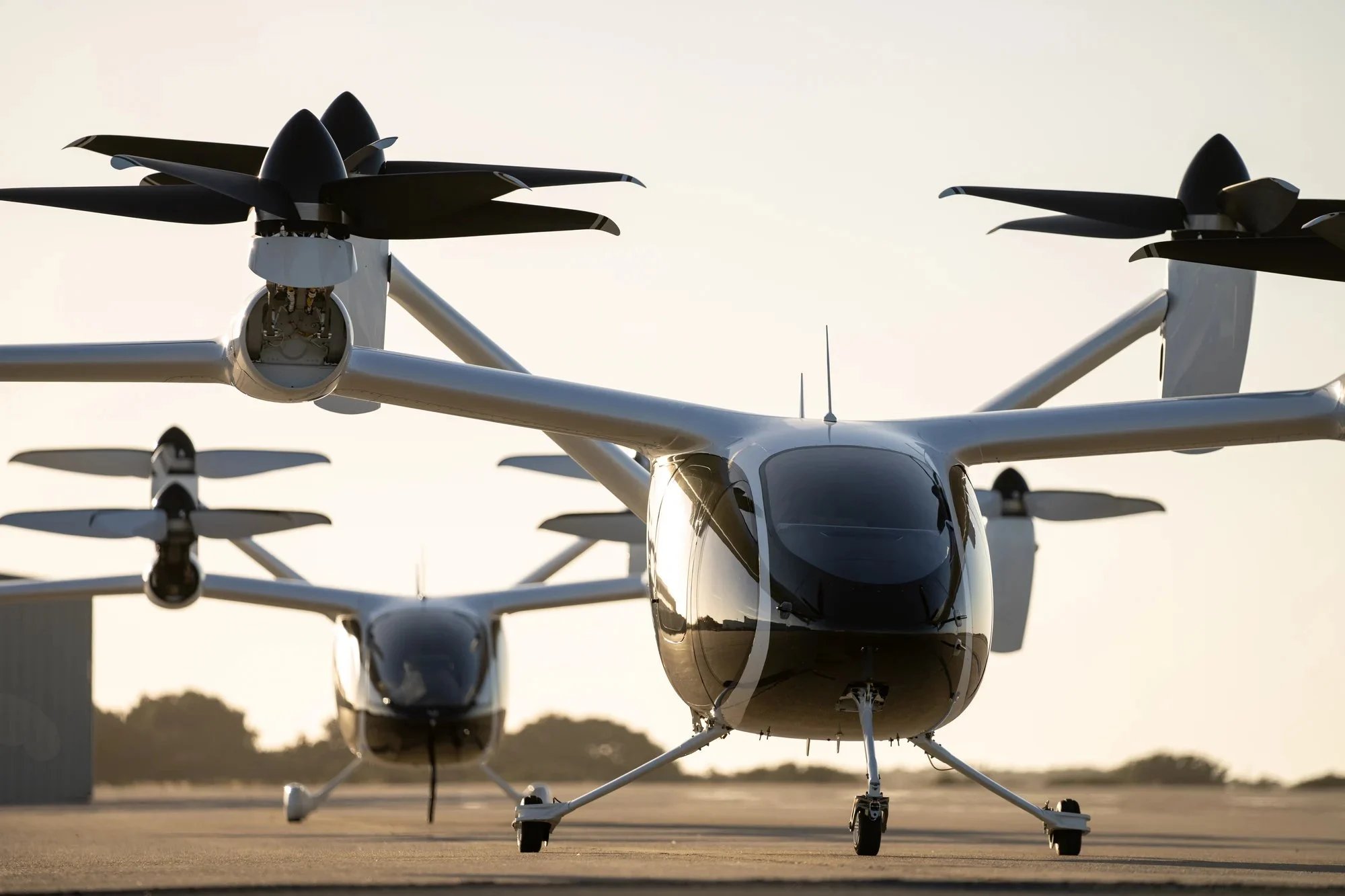
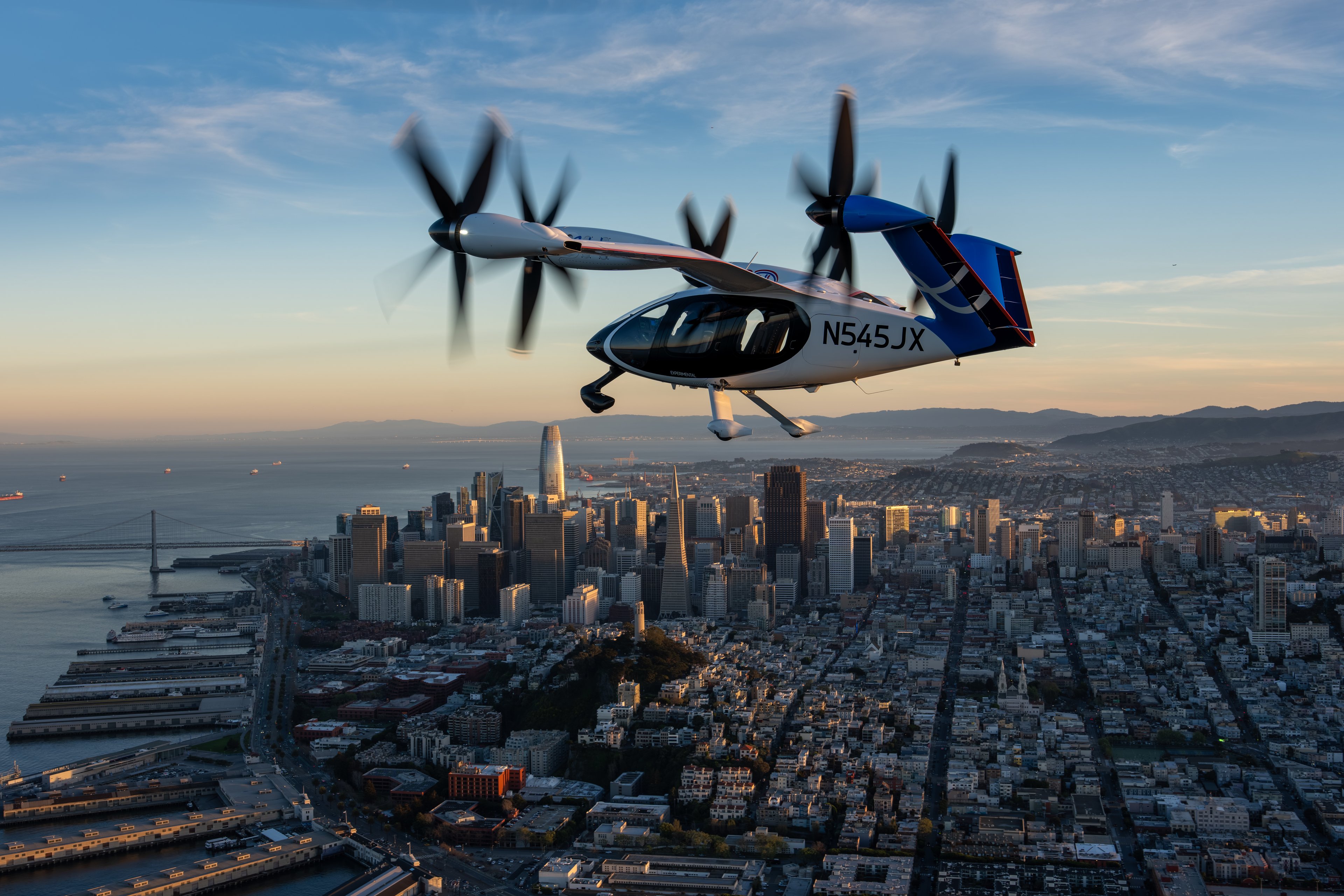
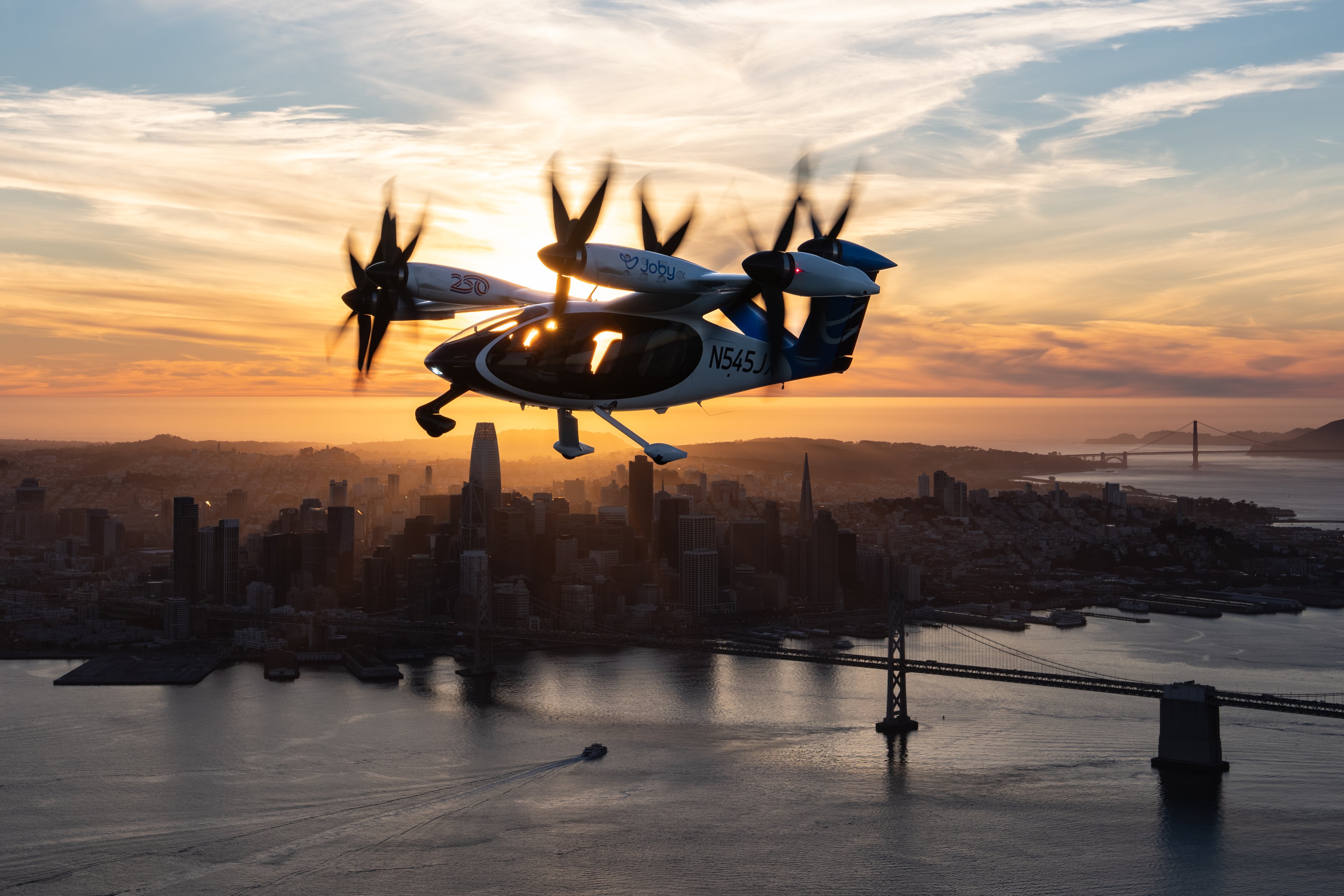
Joby's S4 and Archer's Midnight both carry a single passenger and four passengers. The S4 can travel up to 150 miles on a single charge at a maximum speed of 200 miles per hour. The Midnight can travel up to 100 miles with a maximum speed of 150 miles per hour.

NYSE: JOBY
Key Data Points
The S4 travels faster and farther than the Midnight because it uses single-tilt rotor propellers to lift and cruise. The Midnight is heavier because it uses separate propellers to lift and cruise. Joby is also developing a hydrogen-powered version of its eVTOL, but Archer isn't.
Joby and Archer are both working with the U.S. Department of Defense (DoD), and major investors and customers back both companies. Joby's backers include Toyota, Delta Air Lines, and Uber. Archer's backers include Stellantis, United Airlines, and Abu Dhabi Aviation. Both companies plan to initially launch their aircraft in the U.S. and the UAE.

NYSE: ACHR
Key Data Points
Toyota and Stellantis plan to help Joby and Archer manufacture their commercial eVTOLs. Delta and United will add Joby and Archer's air taxi flights to their airline tickets as last-mile "airport to home" services. Joby will integrate its own flights directly into Uber's app, while Archer plans to launch its own first-party air taxi service rather than work with other companies.
Which company has a brighter future?
Joby and Archer both need to complete the FAA's lengthy, multi-stage approval process before launching their first commercial flights in the United States. Those full approvals probably won't happen until late 2026 or 2027. The Middle East conflicts could also disrupt or delay their first commercial flights in the UAE. That's why both stocks have been under pressure this year.
But from 2025 to 2028, analysts still expect Joby's revenue to grow from $53 million to $458 million. They also expect it to narrow its net loss from $930 million to $722 million. With a market cap of $9.2 billion, it trades at 20 times its 2028 sales. Most of its revenue comes from its acquisition of the air taxi services company Blade Urban Mobility, which closed last August.
From 2025 to 2028, analysts expect Archer's revenue to surge from less than $1 million in 2025 to $482 million in 2028. However, they expect its net loss to widen from $618 million to $868 million. With a market cap of $4.0 billion, it trades at just eight times its 2028 sales.
Joby trades at a premium to Archer because it's expanding into a vertically integrated "transportation as a service" business that manufactures, owns, and operates its own air taxi network. Archer is still primarily an original equipment manufacturer (OEM), heavily dependent on middlemen, as it sells most of its aircraft to third-party fleets. Joby also has more liquidity than Archer, and its supply chain is much tighter because it uses more first-party components.
The better buy: Joby Aviation
Archer might initially seem like a better value, but Joby's advantages make it a better long-term investment. While Archer might be aiming to become the next Boeing of the eVTOL market, Joby wants to become the next Tesla -- a more focused company that takes over the market with its first-party aircraft and air taxi services.