People spend so much time thinking about and trying to identify the best stocks and ETFs that they usually forget about the one thing that can be most damaging to their returns: themselves.
Most investors start with good intentions. They'll establish a reasonable portfolio allocation and plan to hold on to it for years. The problem arises when there's a market correction and people find they're more risk-averse than they thought.
That usually results in people selling their stocks at the wrong time, which is after they've already gone down. "I'm going to wait until things get better" is a common refrain. The problem is that this usually means they only buy back in after the recovery has happened.

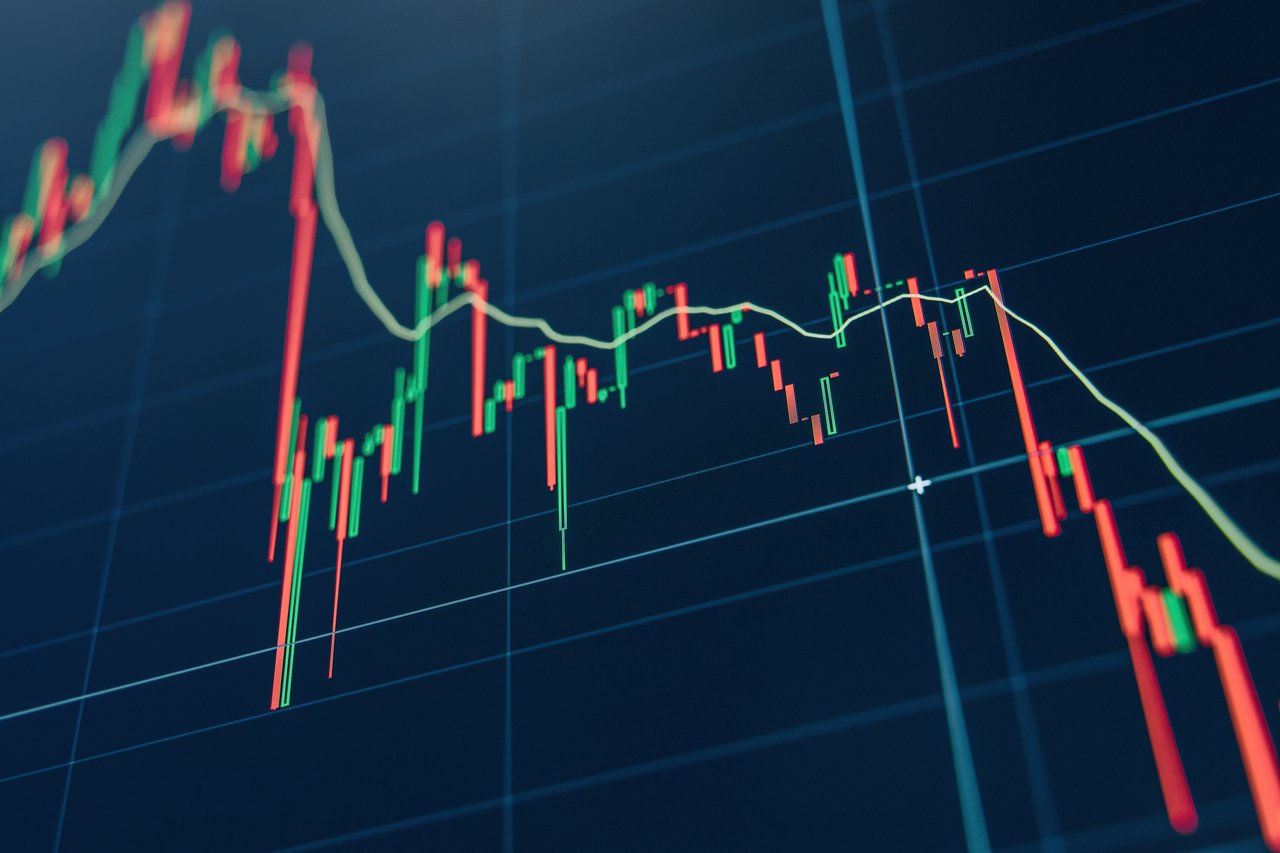
Image source: Getty Images.
In other words, this is textbook "sell low, buy high," which is exactly what you don't want to do when investing for the long term.
Investors who buy stocks or other risk assets need to be prepared for volatility. It's simply the price of admission when putting your money in these things. Studies have consistently shown that the average equity fund investor usually experiences lower returns than the underlying investment itself. The primary cause is poor timing with buying and selling.
In order to actually profit from market timing, investors would need to get two decisions correct: when to sell and when to buy back in. Most investors (and even professional money managers) struggle to do either consistently. It requires a level of discipline and luck that few are able to manage.
That's why successful investing often involves just being invested! It's about participating in the long-term economic and earnings growth story and then letting time compound the returns for you.
Trying to avoid downturns is natural. But understanding that staying the course is more important is the path to long-term success.